
Beautiful Plants For Your Interior
Beautiful Plants For Your Interior
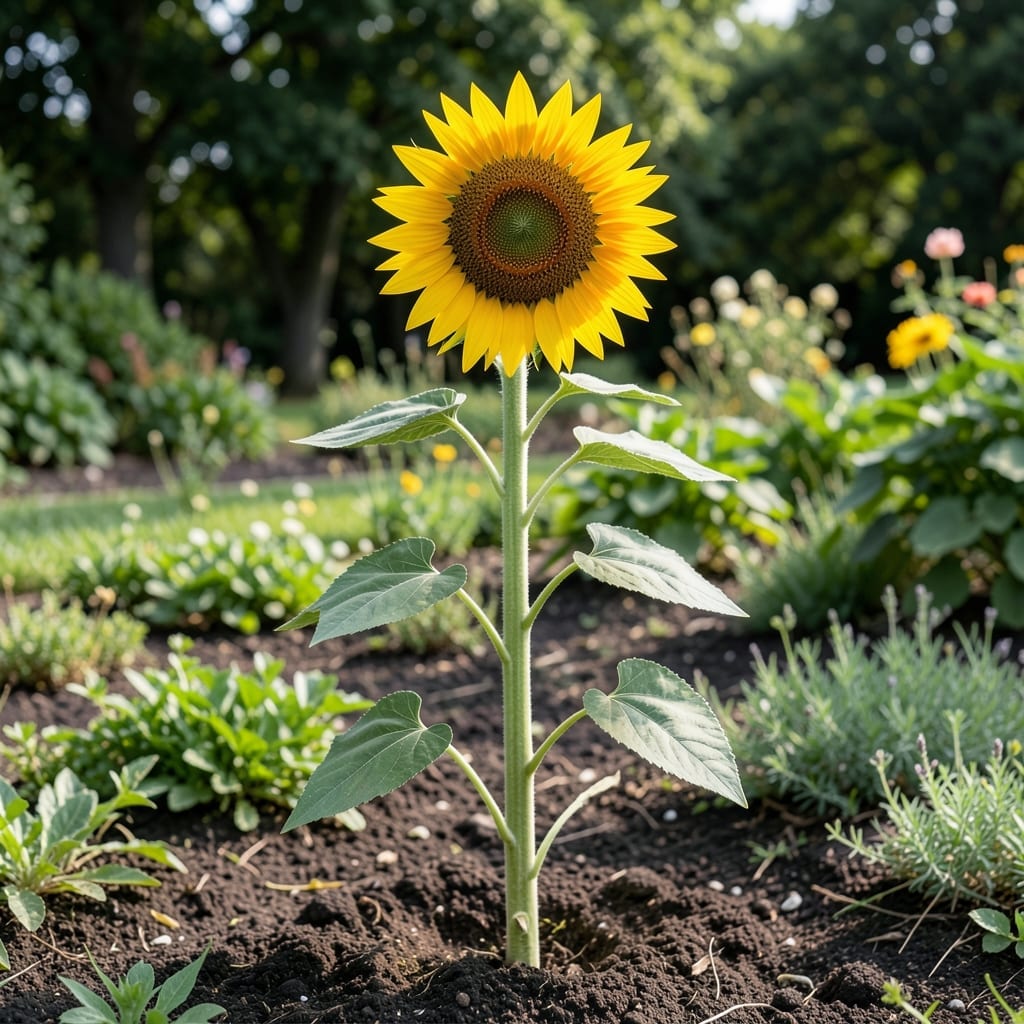
Sunflowers thrive in full sun locations with well-draining soil, ideally in warm climates with 6-8 hours of daily sunlight. They prefer slightly acidic to neutral soil pH.
I’ve found these tall beauties do best when planted in open areas away from shade-casting trees or buildings. 6-8 hours of direct light fuels their rapid growth and vibrant blooms, while soil that drains well prevents root rot. Adding compost before planting gives them the nutrient boost they need to reach impressive heights. ✨
💡 In This Article
Sunflowers are solar-powered plants, converting sunlight into energy through photosynthesis at remarkable efficiency. Their large leaves and tall stature are evolutionary adaptations to maximize light exposure. In optimal conditions, they can grow 8-12 feet tall in a single season, with some varieties reaching 15 feet. This rapid growth requires consistent energy input from the sun.
🔥
Temperature plays a crucial role in their development. Sunflowers germinate best when soil temperatures reach 70-85°F, and they thrive in air temperatures between 64-78°F. Below 50°F, growth slows dramatically. The warmth accelerates cellular division and elongation, which is why they flourish in summer months.
Humidity levels between 40-60% are ideal, as higher humidity can promote fungal diseases. ✨
Their heliotropism—where young sunflowers track the sun’s movement—demonstrates their solar dependency. This behavior optimizes photosynthesis by 30% compared to stationary plants. Mature sunflowers typically face east, which helps with temperature regulation. They also need protection from strong winds that can topple their tall stems, making sheltered but sunny locations perfect. 🌟
Seasonal timing matters greatly. Planting should occur after the last frost when soil has warmed. In cooler climates, starting seeds indoors 2-4 weeks before the last frost gives them a head start. Sunflowers have a relatively short growing season of 70-120 days, depending on the variety, making them ideal for summer cultivation in most regions.
⚡
What most gardeners overlook is how sunflowers respond to photoperiodism—they’re highly sensitive to day length. Long summer days trigger rapid growth, while the shortening days of autumn signal the plant to focus energy on seed production. This is why sunflowers planted too late in the season may produce smaller heads or fail to mature properly.
💫
Sunflowers require 6-8 hours of direct sunlight each day for optimal growth. They’re solar-powered plants that convert sunlight into energy efficiently. Less light results in stunted growth and smaller blooms.
Yes, but choose dwarf varieties and use containers at least 12 inches deep with good drainage. Ensure they still receive full sun. Larger varieties need open ground for stability and root space.
Sunflowers thrive in slightly acidic to neutral soil, with a pH range of 6.0-7.5. Test your soil and adjust with lime or sulfur if needed. Proper pH ensures nutrient availability for healthy growth.
Plant seeds after the last frost when soil temperatures reach 70-85°F. In cooler climates, start indoors 2-4 weeks earlier. This timing ensures strong germination and growth.
Tall sunflowers may topple in strong winds or if soil is too loose. Plant in sheltered but sunny spots and stake them if needed. Proper spacing and deep planting also help stabilize their tall stems.