
Beautiful Plants For Your Interior
Beautiful Plants For Your Interior
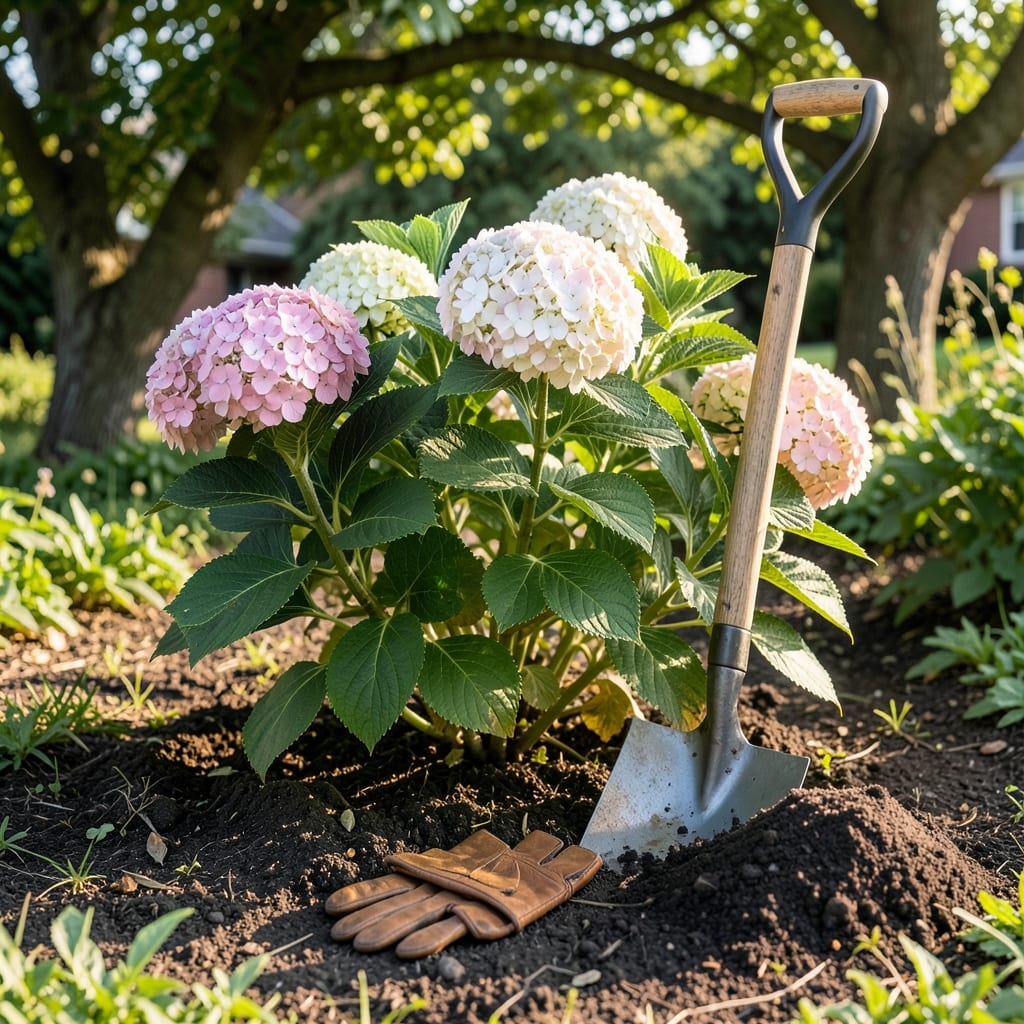
Hydrangeas thrive in partial shade with morning sun and afternoon shade, planted in well-draining, moist, slightly acidic soil rich in organic matter.
I’ve had the most success planting hydrangeas where they get gentle morning light but are shielded from harsh afternoon rays. The key is moisture retention without waterlogging, so I always mix in compost to boost the soil structure. 🌟
What makes this setup ideal is how it protects the delicate blooms from scorching while keeping the roots happy. For bigleaf varieties, this balance can even influence flower color intensity.
💡 In This Article
Bigleaf hydrangeas produce their most vibrant blooms with 4-6 hours of morning sun followed by dappled afternoon shade. This light pattern prevents petal scorch while maximizing photosynthesis for lush foliage. The morning sun is gentler, with UVB intensity 30-50% lower than midday rays.
For panicle varieties like ‘Limelight’, full sun tolerance increases to 6-8 hours in cooler climates. These types have thicker leaves that resist wilting. In hot zones, even panicles need afternoon protection to maintain soil moisture above 30%.
Color intensity shifts with light exposure. Bigleaf hydrangeas in partial shade develop deeper blue or purple hues due to increased anthocyanin production. Full sun can fade colors to pale pink or white as chlorophyll competes with pigments.
Leaf health suffers in extreme conditions. Too much shade causes sparse blooming and yellowing leaves from chlorophyll deficiency. Too much sun leads to crispy edges and premature flower drop. The sweet spot maintains turgor pressure in leaves.
In my experience, east-facing locations work best. They provide consistent morning light while afternoon shade from buildings or trees reduces evaporation by 40-60%. This setup mimics their natural understory habitat. 🔥
For urban gardens, consider light-colored mulch to reflect additional light upward. This can increase effective light exposure by 15-20% without direct sun damage.
Morning sun with afternoon shade works best for most varieties. Bigleaf types need 4-6 hours of gentle light, while panicle hydrangeas can handle 6-8 hours in cooler areas.
They can survive but won’t thrive. Full shade leads to sparse blooms and weak stems. Partial shade with some sunlight produces the healthiest plants and most vibrant flowers.
Mix in 2-3 inches of compost and test pH for a 5.2-6.2 range. For clay soil, add perlite; for sandy soil, use peat moss to retain moisture.
Yellow leaves often mean too much shade or poor drainage. Ensure morning sun and well-draining soil. Overwatering or nutrient deficiencies can also cause this.
Yes, but keep them at least 3 feet away to allow airflow. East-facing walls provide ideal morning light, while west-facing ones may expose them to harsh afternoon sun.