
Beautiful Plants For Your Interior
Beautiful Plants For Your Interior
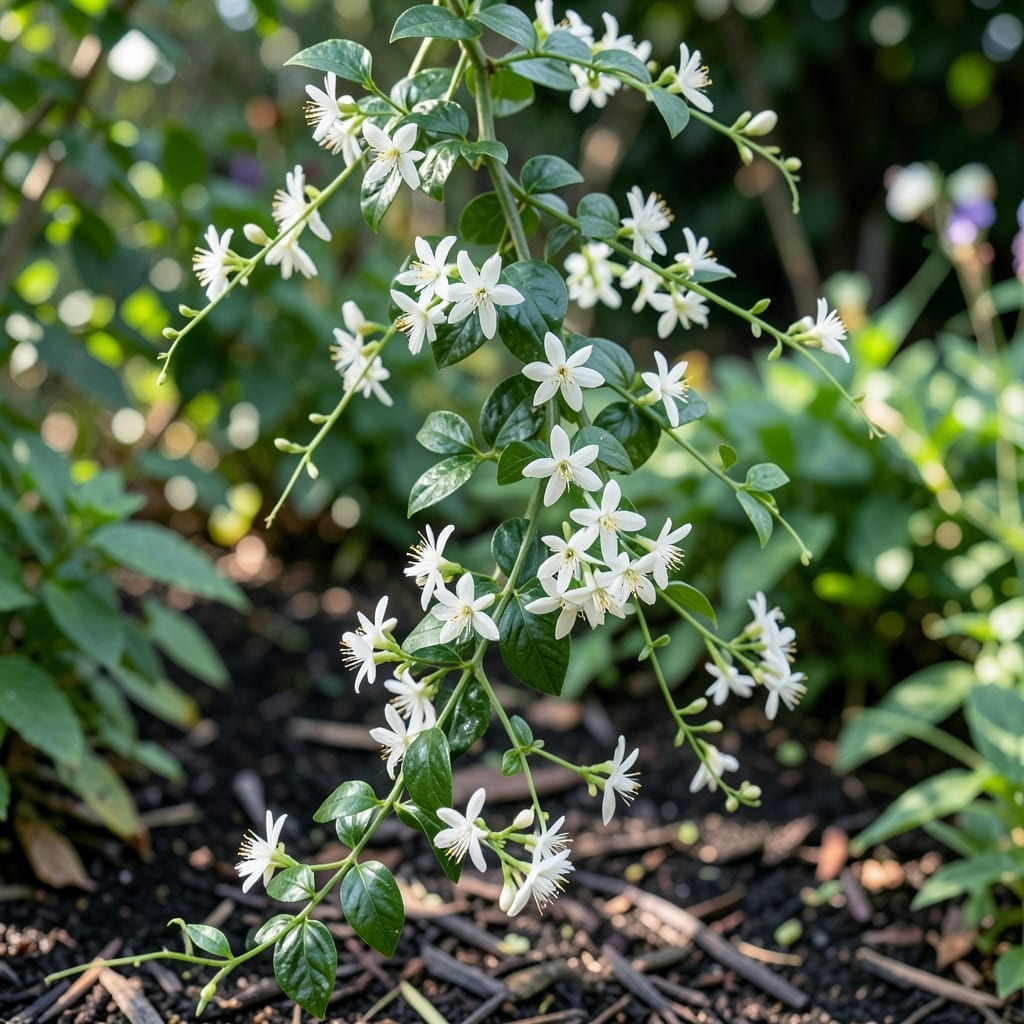
The most fragrant flowers include jasmine, gardenia, and lavender for their intense, sweet aromas, while roses and peonies offer classic, rich scents perfect for gardens and bouquets.
I love how these varieties transform outdoor spaces and arrangements with their natural perfumes. Each carries unique aromatic compounds—like linalool in lavender or geraniol in roses—that create unforgettable sensory experiences. 💫
For gardens, I recommend planting near walkways or windows where their fragrances can be fully appreciated, especially during warm evenings when scents intensify.
💡 In This Article
The magic of flower fragrances lies in their essential oils and volatile organic compounds. Jasmine produces benzyl acetate and linalool, which create its intoxicating, sweet aroma that can travel up to 10 feet on a still evening. These compounds evaporate easily at room temperature, releasing scent molecules into the air. 🌟
Lavender’s scent comes from linalyl acetate and camphor, which not only smell amazing but also have calming effects on the nervous system. The concentration of these oils peaks in the morning, which is why lavender fields are most fragrant just after sunrise.
Gardenias, on the other hand, rely on jasmonate compounds for their rich, creamy perfume. ✨
Temperature and humidity play huge roles in fragrance intensity. Warm, moist air helps scent molecules disperse more effectively, which is why flowers often smell stronger after rain or in the evening. Roses, for instance, release up to 30% more fragrance in temperatures between 68-72°F compared to cooler conditions. 🔥
What most people don’t realize is that some flowers, like peonies, have fragrances that change throughout the day. Their scent is lightest in the morning and most potent in the late afternoon. This daily rhythm is tied to the flower’s pollination strategy, attracting specific pollinators at optimal times. ⚡
The petal structure also influences scent distribution. Flowers with more petals, like roses, have greater surface area for essential oil production. A single rose can contain up to 600 different aromatic compounds, though only about 20-30 are strong enough for humans to detect. 💫
For small areas, try jasmine or gardenia. Their intense fragrances can fill a room even with just a few blooms. Lily of the valley also packs a powerful punch in tiny packages.
Night-blooming flowers like nicotiana release scent after 5 PM to attract moth pollinators. Warm evening air also helps fragrance molecules disperse more effectively.
Cut stems at a 45-degree angle and change water daily. Adding a dash of sugar can help feed the blooms, while a splash of vinegar keeps bacteria at bay.
Plant taller fragrant varieties like honeysuckle on trellises, mid-height flowers like roses in beds, and low growers like alyssum as ground cover for a multi-level scent experience.
Start with low-maintenance options like lavender or sweet alyssum. Both thrive with minimal care and reward you with wonderful fragrances.