
Beautiful Plants For Your Interior
Beautiful Plants For Your Interior
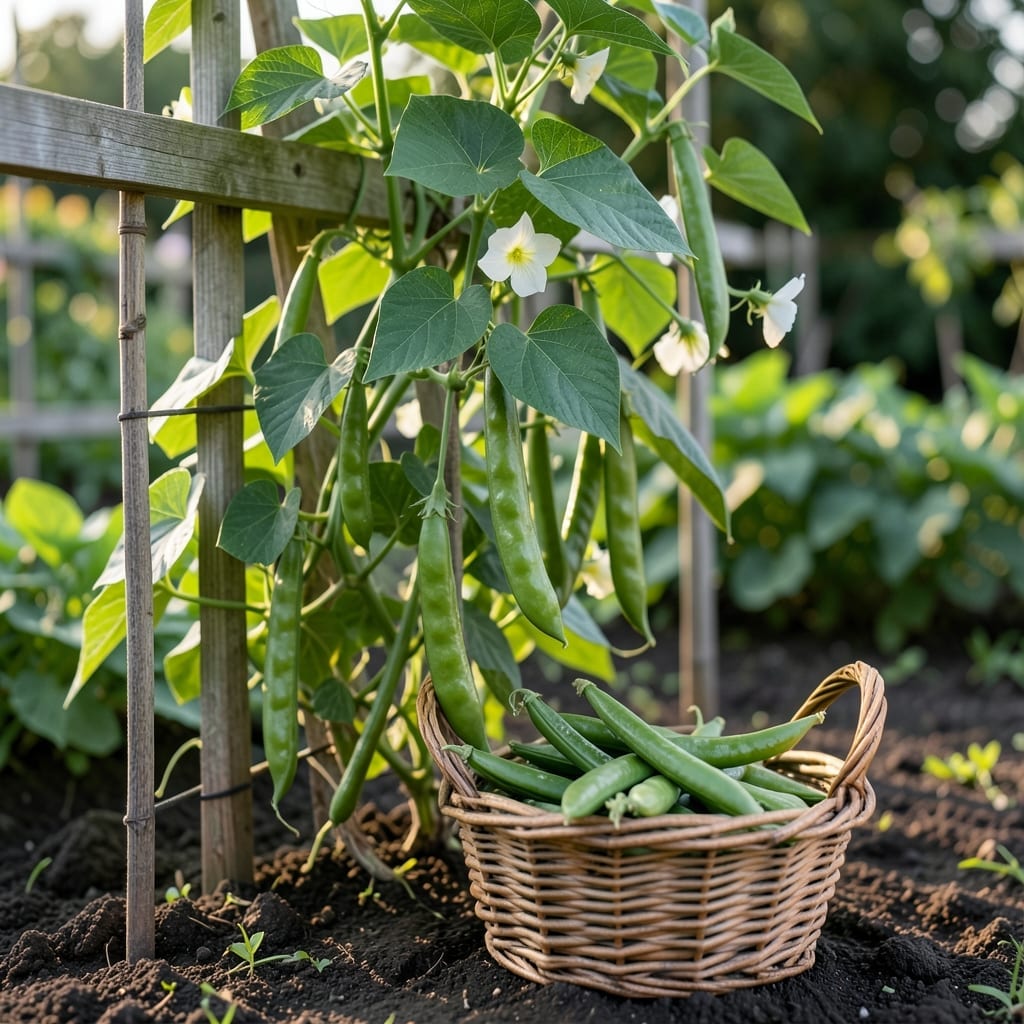
String beans are nutrient-dense, offering fiber, vitamins A and C, folate, and minerals like iron and potassium, supporting digestion, heart health, and immune function.
I love how these slender veggies pack such a nutritional punch with so few calories. The fiber content alone can help regulate blood sugar while keeping you full. What’s more, their vitamin A supports vision and skin health, making them a simple yet powerful addition to any meal. ✨
They’re also incredibly versatile in the kitchen, retaining most nutrients whether steamed, sautéed, or eaten raw. 🔥
💡 In This Article
A single 1-cup serving of raw string beans delivers about 44 calories while packing 4g of dietary fiber. This fiber isn’t just filling—it’s primarily insoluble, which adds bulk to stool and speeds up digestion, helping prevent constipation.
The same serving also contains 12.2mg of vitamin C, covering about 14% of your daily needs for this antioxidant powerhouse. 🔥
String beans shine with their micronutrient diversity. They provide 690 IU of vitamin A per cup, crucial for maintaining healthy vision and skin. Additionally, they offer 60mcg of folate, which supports DNA synthesis and red blood cell production.
The mineral profile includes 2.1mg of iron and 211mg of potassium, both essential for oxygen transport and heart rhythm regulation, respectively. ✨
What makes these nutrients so effective is their synergy. The vitamin C in string beans enhances iron absorption, while the fiber works alongside potassium to support cardiovascular health by lowering blood pressure. This combination means string beans don’t just provide nutrients—they help your body use them more efficiently. 💫
The low glycemic index of string beans, around 15, makes them ideal for blood sugar management. Their high water content (90%) and minimal fat (0.3g per cup) contribute to their hydrating and heart-healthy properties. This balance of nutrients supports everything from immune function to metabolic health. ⚡
For maximum benefit, consume string beans lightly cooked. Steaming for just 5-7 minutes preserves most heat-sensitive vitamins like C and folate. Raw string beans retain all nutrients but may be harder to digest for some people. The key is minimal processing to maintain their nutritional integrity. 🌟
The 4g of fiber per cup adds bulk to stool and promotes regular bowel movements. This insoluble fiber speeds up digestion, helping prevent constipation and bloating.
With only 44 calories per cup and high water content (90%), they’re filling yet low-calorie. The fiber keeps you satisfied longer, reducing overall calorie intake.
Steam for 5-7 minutes to preserve heat-sensitive vitamins like C and folate. Avoid boiling, as water-soluble nutrients can leach out. Raw is great too if your stomach tolerates it.
Yes! The potassium helps regulate blood pressure, while fiber lowers cholesterol. Together, they support cardiovascular function and reduce heart disease risk.
Keep unwashed in a perforated bag in the fridge for 5-7 days. Wash just before use to prevent spoilage. For longer storage, blanch and freeze.