
Beautiful Plants For Your Interior
Beautiful Plants For Your Interior
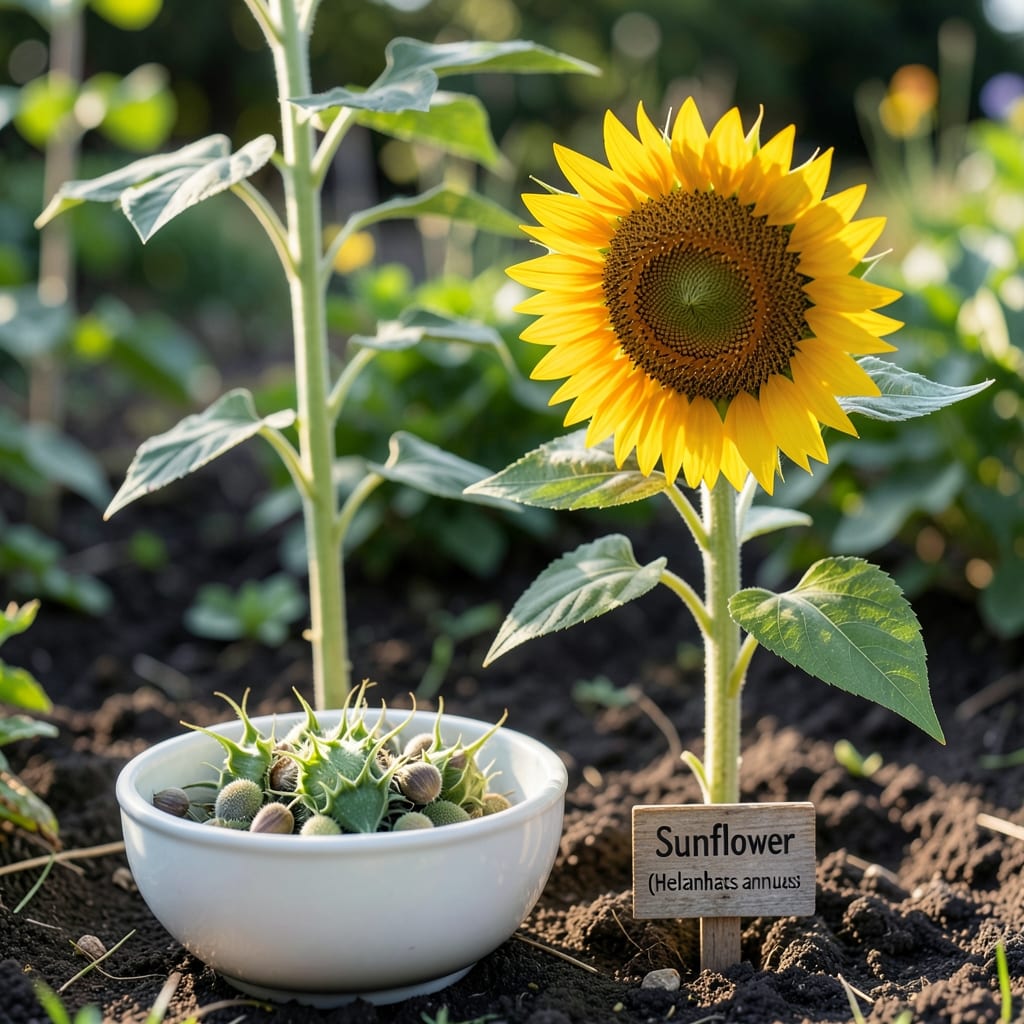
Sprouted sunflower seeds offer enhanced digestion, increased vitamin content, and better nutrient absorption compared to raw seeds, with higher levels of antioxidants and enzymes.
The sprouting process activates dormant nutrients, making minerals like magnesium and zinc more bioavailable to your body. I love how this simple change transforms them into a powerhouse snack. 💫
They also become easier to digest as enzyme inhibitors break down during sprouting, reducing bloating. This makes them perfect for adding to salads or smoothies for a nutritional boost.
💡 In This Article
Sprouting triggers a biochemical transformation in sunflower seeds. The process activates dormant enzymes like phytase, which breaks down phytic acid—a natural compound that can block mineral absorption in raw seeds. This reduces anti-nutrients by up to 90%, making minerals like iron and calcium far more accessible to your body. ✨
During germination, vitamin content skyrockets. Vitamin C increases by 300-600% as the seed begins photosynthesis, while B vitamins (especially B6 and folate) rise by 20-50%. The seed’s protein quality also improves, with amino acids like lysine becoming more bioavailable.
What you’re tasting is science in action. The sprouting process converts complex starches into simpler sugars, giving sprouted seeds a naturally sweeter, nuttier flavor. The texture shifts from hard and crunchy to slightly tender, with a pleasant chew that signals the breakdown of tough cell walls. 💫
This nutritional upgrade happens quickly. In just 2-3 days of sprouting, you’ll see measurable increases in antioxidants like tocopherols (vitamin E) and phenolic compounds. These compounds combat oxidative stress more effectively than in unsprouted seeds, where they’re bound in inactive forms.
The water content also changes dramatically. Raw sunflower seeds contain about 5% water, while sprouted seeds reach 40-45%. This hydration boost makes them easier to digest and helps your body absorb their nutrients more efficiently.
Typically 2-3 days with proper rinsing every 8-12 hours. You’ll see tiny tails emerge, signaling they’re ready. Keep them in a warm spot away from direct sunlight for best results.
Light cooking at 300°F or below preserves most nutrients. Avoid high heat, which can degrade heat-sensitive vitamins like C and B. Raw sprouted seeds retain the highest nutrient levels.
Yes! Use a clean mason jar with a mesh lid or a colander lined with cheesecloth. Ensure proper drainage and airflow to prevent mold. Rinse 2-3 times daily for best results.
Sprouting converts complex starches into simpler sugars, enhancing natural sweetness. The process also reduces bitterness by breaking down anti-nutrients. Expect a nuttier, milder flavor compared to raw seeds.