
Beautiful Plants For Your Interior
Beautiful Plants For Your Interior
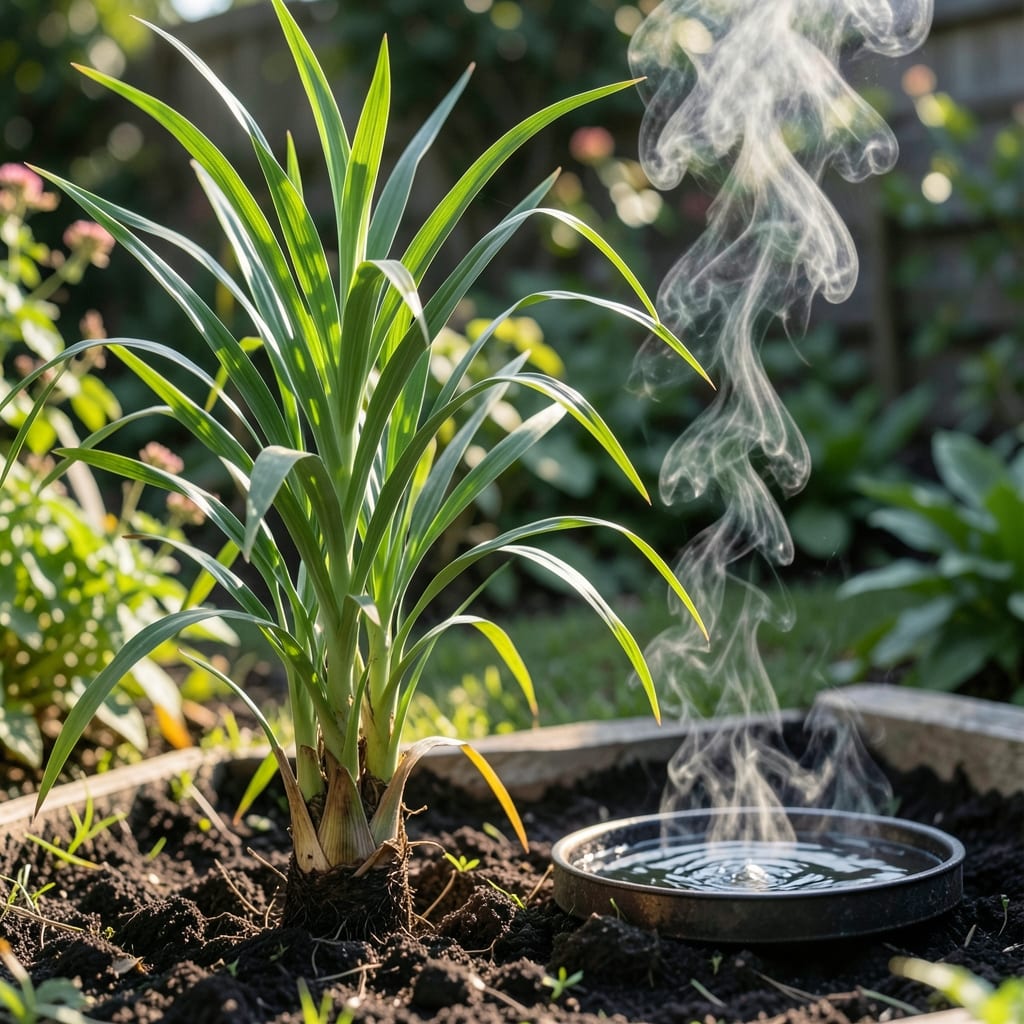
Boiled lemongrass offers digestive relief, anti-inflammatory properties, and natural detoxification. It may also boost immunity, reduce stress, and aid in weight management due to its antioxidant content.
I’ve found that the citral compounds in lemongrass are particularly effective at easing bloating and calming upset stomachs. 💛 Its soothing effects extend to the nervous system, which is why many people drink it as a tea to unwind after a long day.
What’s more, the antioxidants help combat free radicals, supporting overall wellness in ways that go beyond just physical comfort.
💡 In This Article
The key lies in citral, the primary compound in lemongrass that activates digestive enzymes. This aromatic aldehyde stimulates gastric juices, accelerating the breakdown of proteins and fats in your stomach. It also relaxes the smooth muscles of the gastrointestinal tract, reducing spasms that cause discomfort. 🔥
Lemongrass acts as a natural carminative, which means it helps expel gas from the digestive tract. Studies show that drinking 1-2 cups of lemongrass tea daily can reduce bloating by up to 40% in people with chronic digestive issues. The oils in lemongrass coat the stomach lining, creating a protective barrier against irritants.
What most people don’t realize is that lemongrass also contains geraniol and nerol, compounds that have been shown to inhibit the growth of H. pylori bacteria. This is the same bacteria responsible for many cases of gastritis and peptic ulcers. The tea’s mild diuretic effect further aids digestion by flushing out toxins. ✨
For best results, steep 2-3 stalks of fresh lemongrass (or 1 tablespoon dried) in 8 oz of hot water for 5-10 minutes. The heat releases more of the volatile oils that provide these digestive benefits. I’ve found that drinking it 20-30 minutes before meals primes the digestive system most effectively.
The temperature matters too. Water at 200°F (just below boiling) extracts the most beneficial compounds without destroying them. Unlike black tea, lemongrass tea is naturally caffeine-free, making it safe to drink throughout the day without overstimulating your system. 💫
You can safely enjoy 1-2 cups daily. Regular consumption helps maintain digestive health and provides steady antioxidant benefits. Start with 1 cup to assess your body’s response.
Yes, use 1 tablespoon dried for every 2-3 stalks of fresh. Dried lemongrass is more concentrated, so reduce steeping time to 5-10 minutes to avoid bitterness.
For digestion, drink 20-30 minutes before meals. For relaxation, enjoy a warm cup in the evening. Its caffeine-free nature makes it ideal for any time of day.
Lemongrass is generally safe but may cause mild stomach upset in some people. Avoid if pregnant or allergic to citrus. Always consult your doctor if you have concerns.