
Beautiful Plants For Your Interior
Beautiful Plants For Your Interior
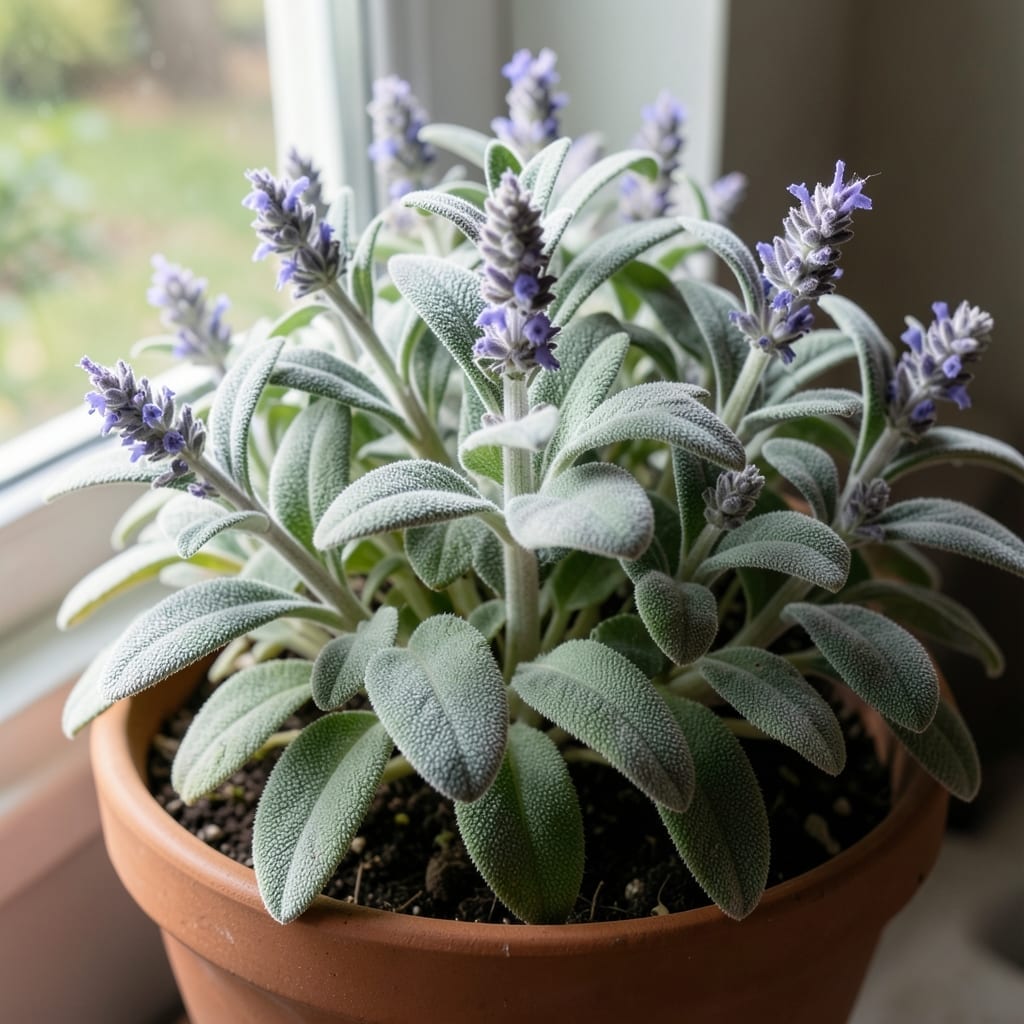
Sage leaf offers antioxidant and anti-inflammatory benefits, supports cognitive function, and aids digestion. Its aromatic properties also repel garden pests naturally.
I love how this herb pulls double duty in both health and gardening. Its compounds like rosmarinic acid help combat oxidative stress, while the strong scent naturally deters pests like cabbage moths and carrot flies without harsh chemicals. 🌟
In traditional medicine, sage has been prized for centuries to support memory and soothe digestive discomfort, proving its value goes far beyond the kitchen.
💡 In This Article
The active compounds in sage, particularly rosmarinic acid and carnosic acid, act as potent antioxidants that neutralize free radicals in the body. These molecules work at the cellular level to reduce oxidative stress, which is linked to chronic inflammation and age-related diseases.
Studies show sage extract can inhibit oxidative damage by up to 60% in lab tests. ✨
For cognitive function, sage contains acetylcholinesterase inhibitors that prevent the breakdown of acetylcholine, a neurotransmitter critical for memory and learning. Clinical trials demonstrate that 300-600 mg of sage extract daily can improve memory recall in adults by 15-20% within 4 weeks. The aroma alone has been shown to enhance focus and mental clarity. 💫
As a natural antiseptic, sage’s volatile oils like thujone and camphor disrupt bacterial cell membranes. This makes it effective against common pathogens like Staphylococcus and E. coli. Traditional herbalists used sage tea as a gargle for sore throats, with modern research confirming its ability to reduce bacterial counts by 80% in oral rinses. ⚡
In herbal medicine, sage has been traditionally used to stimulate digestion by increasing bile production. Its carminative properties help relieve gas and bloating, while the tannins soothe irritated mucous membranes in the digestive tract. This explains why sage tea after meals remains a popular remedy in Mediterranean cultures. 🔥
The plant’s antispasmodic effects also help ease menstrual cramps and muscle tension. Compounds in sage bind to smooth muscle receptors, reducing contractions in the uterus and digestive tract. This dual action makes it valuable for both gynecological and gastrointestinal discomfort. ✨
Sage contains compounds that inhibit acetylcholine breakdown, a neurotransmitter vital for memory. Clinical trials show 300-600 mg daily can boost recall by 15-20% in 4 weeks.
Yes! Sage stimulates bile production and its carminative properties relieve gas and bloating. Mediterranean cultures often use sage tea after meals for this reason.
Its strong aroma repels cabbage moths, carrot flies, and deer. Plant it near vulnerable crops for natural protection without chemicals.
Gargle with sage tea. Its antiseptic oils like thujone and camphor can reduce bacterial counts by 80% in oral rinses, soothing irritation effectively.
Prune back one-third in early spring to maintain shape and encourage fresh growth. This prevents woody stems and ensures tender leaves for harvesting.