
Beautiful Plants For Your Interior
Beautiful Plants For Your Interior
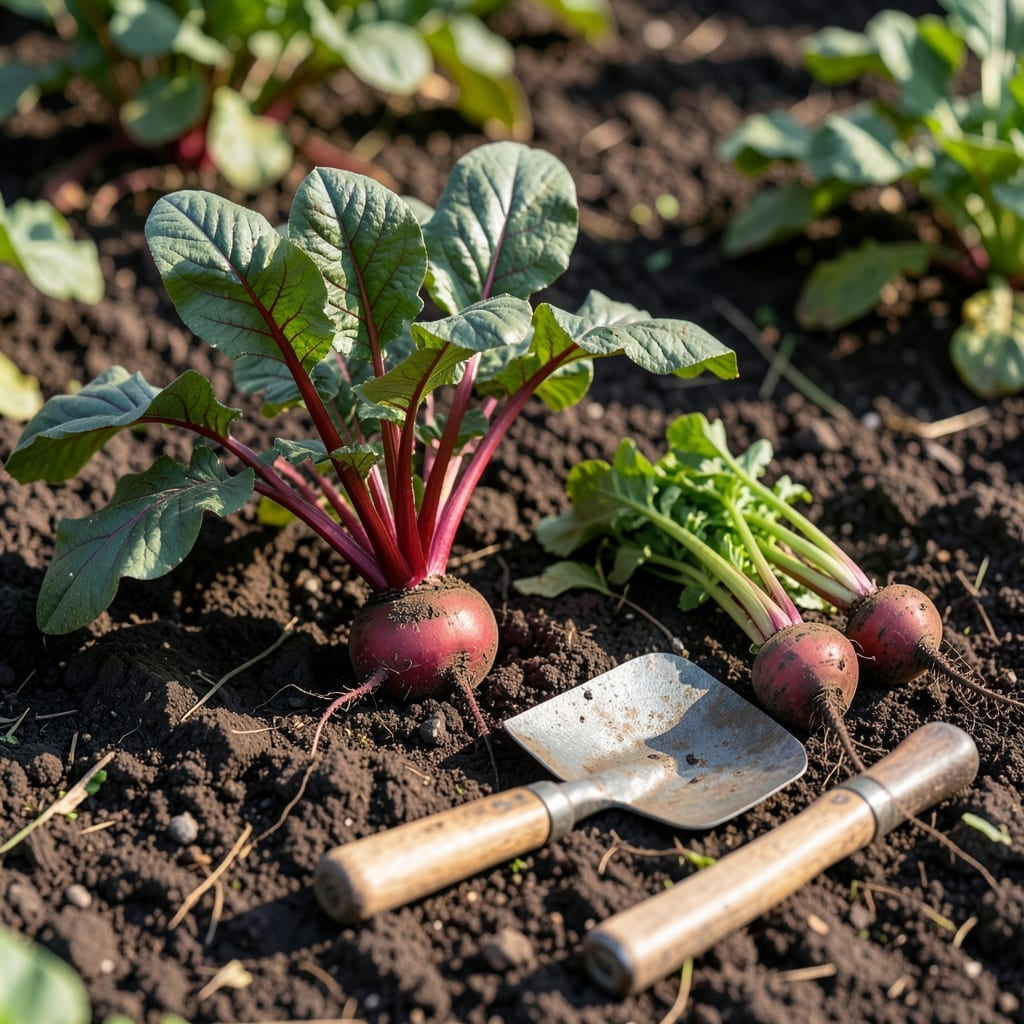
Red or pink stool after eating beets is normal and harmless. The pigment betalain in beets passes through the digestive system unchanged, coloring waste. This effect appears within 24-48 hours of consumption.
I see this color change often in my own experience after enjoying beet-based meals. The body can’t break down betalain, so it exits naturally, creating that startling but temporary hue. What’s fascinating is that about 10-14% of people don’t experience this at all due to variations in gut bacteria or stomach acid levels. 💫
💡 In This Article
The vibrant red or pink hue in your stool comes from betalain pigments, the same compounds that give beets their deep color. These pigments are remarkably stable, resisting breakdown by stomach acid and digestive enzymes. Unlike most food components, betalains pass through the gut intact, emerging in waste as vivid as when they entered. 🔥
About 85-90% of people notice this effect after eating beets, but the intensity varies. Those with higher stomach acidity or faster digestion often see brighter colors, as less pigment degrades. The timeline is consistent: expect changes within 12-24 hours for raw beets, or 24-48 hours for cooked ones, as processing slightly alters pigment stability. ⚡
Gut bacteria play a role too. Some microbial communities are better at metabolizing betalains, which explains why occasional beet eaters might notice more dramatic color shifts than regular consumers. The amount matters as well—consuming 1 cup of beets typically produces noticeable changes, while smaller portions may not. 💫
This phenomenon isn’t unique to beets. Other deeply pigmented foods like blueberries or black licorice can cause similar effects, though beet red is particularly striking. The color fades as the pigments exit your system, usually returning to normal within 2-3 days after the last beet consumption. ✨
What’s fascinating is that betalains are water-soluble, meaning they dissolve in your digestive fluids but don’t get absorbed into the body. This is why they maintain their color through the entire digestive process, from ingestion to elimination. The human body simply doesn’t have the enzymes needed to break these particular compounds down. 🌟
The red or pink color typically appears within 12-48 hours of eating beets and fades completely within 2-3 days after your last beet consumption. The exact timing depends on your digestion speed and whether the beets were raw or cooked.
About 10-14% of people don’t see this effect due to differences in stomach acid levels or gut bacteria. Their digestive systems may break down the betalain pigments more effectively, preventing the color from appearing in stool.
Yes, but the color may be less intense than with raw beets. Cooking slightly alters the betalain pigments, so the stool color might appear more pink than bright red. The effect still typically appears within 24-48 hours.
Black licorice, blueberries, and foods with artificial red coloring can also alter stool color. However, beet red is particularly distinctive. Each food creates slightly different shades, so recalling recent meals can help identify the cause.