
Beautiful Plants For Your Interior
Beautiful Plants For Your Interior
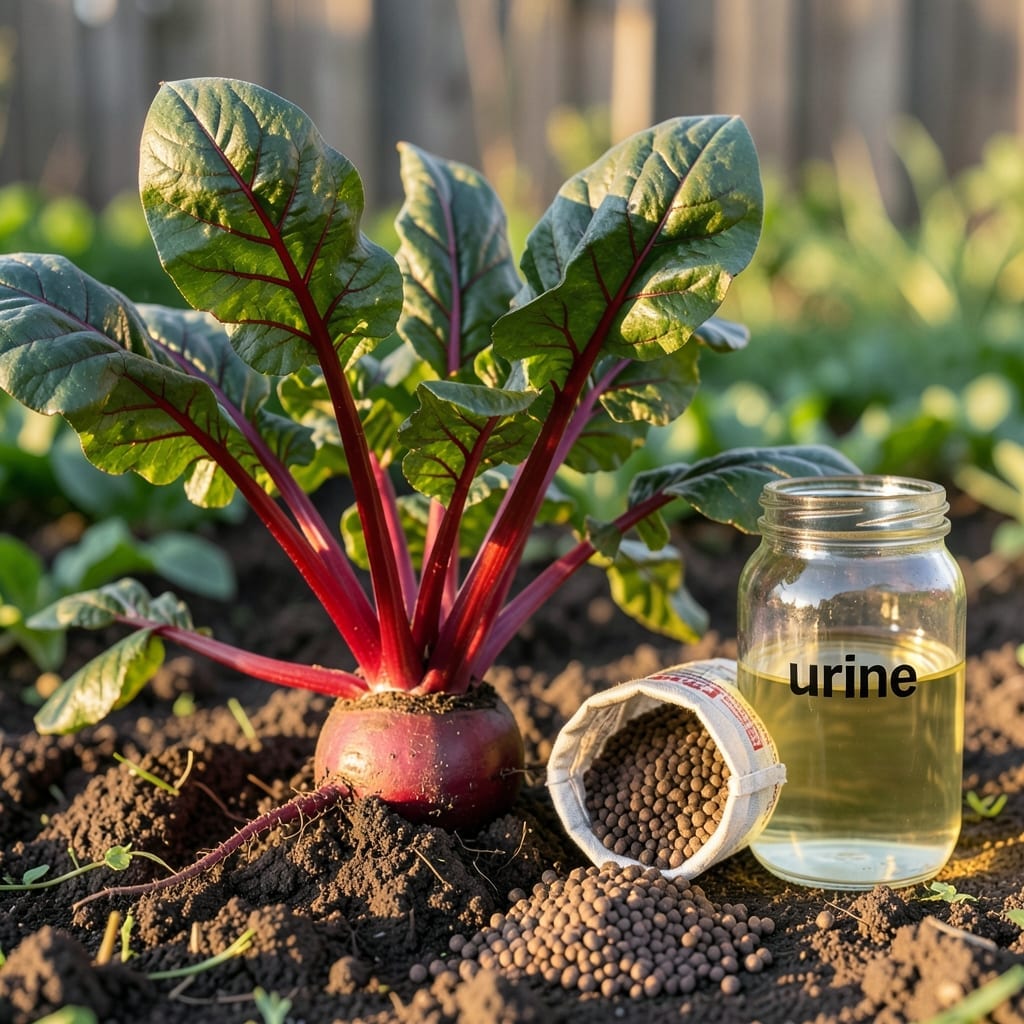
Eating beets can turn urine red or pink due to betalain pigments, which are harmless and pass through the body unchanged in some people.
This colorful change happens because about 10-15% of people have a genetic variation affecting how their digestive system processes these compounds. The pigments simply travel through the urinary tract without breaking down. I’ve noticed this effect is more pronounced when eating raw beets or drinking concentrated beet juice. ✨
What’s fascinating is that even hydration levels can influence the color intensity, with more diluted urine appearing lighter. 💫
💡 In This Article
The vibrant red-pink hue in urine after eating beets comes from betalain pigments, specifically betacyanins and betaxanthins. These water-soluble compounds give beets their rich color and remain stable through digestion in some individuals. Unlike other food pigments that break down, betalains can pass through the digestive tract intact, emerging in urine within 2-4 hours. 🔥
Your body’s ability to break down these pigments depends on stomach acidity and gut bacteria. People with hypochlorhydria (low stomach acid) or certain genetic variations in the SLC2A9 gene are more likely to experience beeturia. This genetic factor affects about 10-15% of the population, making the color change more noticeable in them. ✨
The concentration matters too. Eating 1-2 cups of raw beets or beet juice provides enough pigments to trigger visible changes, while cooked beets (which lose some betalains to heat) may produce a milder effect. The color intensity correlates directly with the amount consumed and your body’s processing efficiency. ⚡
What’s particularly interesting is that betalains aren’t just color producers—they’re powerful antioxidants. The same compounds that turn your urine pink are being studied for their potential to reduce inflammation and support heart health. Your body absorbs about 8-10% of these beneficial compounds while excreting the rest. 💫
This phenomenon is completely benign and temporary. The color typically fades within 24-48 hours as your body clears the pigments. Unlike blood in urine (which often appears cloudy or contains clots), beeturia produces a uniform, translucent red or pink color that doesn’t indicate any underlying health issues.
About 10-15% of people have a genetic variation affecting how their body processes betalain pigments. Those with low stomach acid or specific gene variants are more likely to see the color change.
The red or pink hue typically appears within 2-4 hours after eating and fades completely within 24-48 hours as your body clears the pigments.
Yes! Raw beets or concentrated juice produce stronger color changes. Cooking breaks down some pigments, so cooked beets may cause milder or no visible change.
Certain antibiotics and laxatives can cause red urine. If you’re on new medications, check side effects or consult your pharmacist to rule out other causes.
If red urine persists beyond 48 hours or you haven’t eaten beets, see a doctor. True beeturia always fades and appears as translucent color, not cloudy.