
Beautiful Plants For Your Interior
Beautiful Plants For Your Interior
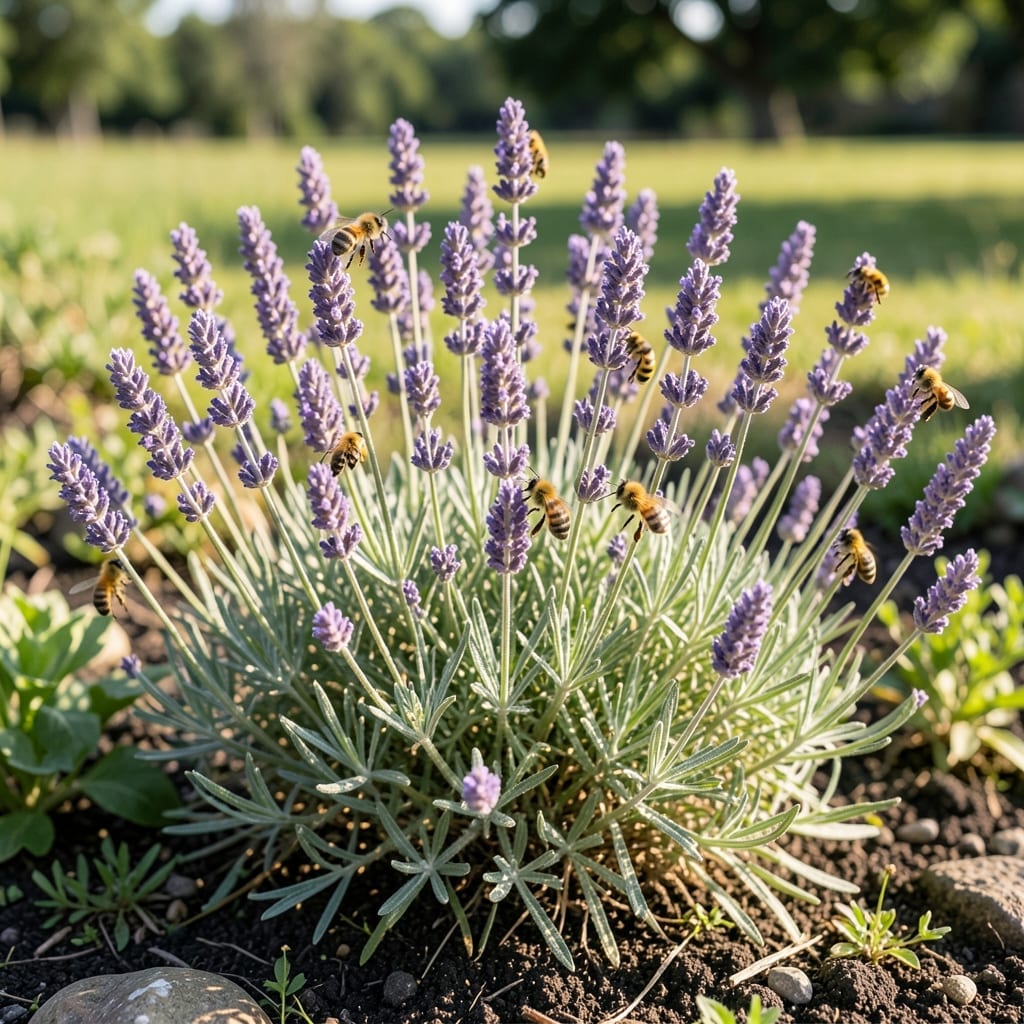
Bees carrying pollen on their bodies are actively pollinating flowers, transferring grains from male to female plant parts. This behavior is vital for plant reproduction and garden productivity.
I’ve noticed that when bees move between blooms, their fuzzy bodies act like natural brushes, picking up and depositing pollen with remarkable efficiency. 🌟 This process not only helps plants produce fruits and seeds but also boosts biodiversity in ecosystems. Gardeners often see better yields when these industrious pollinators are present.
💡 In This Article
Bees have evolved specialized structures that make them incredibly efficient pollen transporters. Their bodies are covered in branched hairs called scopa, which create a large surface area for pollen grains to cling to electrostatically.
When a bee lands on a flower, the static charge on its body actually pulls pollen from the anthers like a magnet, with studies showing this can transfer up to 40,000 grains in a single visit. 🔥
Honey bees take this a step further with their pollen baskets (corbiculae) on their hind legs—smooth, concave areas surrounded by long hairs. Worker bees comb pollen from their bodies and pack it into these baskets, mixing it with nectar to form sticky pellets.
Each pellet can contain over 1 million pollen grains, and a single bee might carry 20-30 pellets per trip. ✨
The pollen’s journey doesn’t end there. As the bee moves to the next flower, some grains inevitably rub off on the stigma—the female reproductive part. This cross-pollination is what enables fruit set in about 75% of flowering plants.
The process is so precise that some flowers have evolved specific shapes to ensure pollen lands exactly where it’s needed. 🌟
What’s fascinating is how bees manage this load while flying. Research shows they can carry pollen loads equal to 30-50% of their body weight without significant impact on their flight performance. Their wings beat at an astonishing 200 times per second, creating enough lift to transport both their own weight and their precious cargo. ⚡
This system benefits both parties: flowers get pollinated, and bees collect protein-rich pollen as food for their larvae. A single colony might collect 50-100 pounds of pollen annually, with each bee making up to 5,000 foraging trips in her lifetime.
The efficiency of this co-evolution is why bee-pollinated crops often produce 20-30% higher yields than those pollinated by wind alone. 💫
That yellow dust is pollen! Bees collect it as a protein source for their larvae. Honey bees pack it into pollen baskets on their hind legs, creating visible yellow or orange pellets.
A worker bee can transport up to 30-50% of its body weight in pollen. Each trip may include 20-30 pollen pellets, with each pellet containing over 1 million grains.
No, methods vary by species. Honey bees use specialized baskets, while bumblebees have dense hair on their hind legs. Solitary bees often carry pollen on their bellies or in crop structures.
Bees can’t see pollen grains individually, but they detect flowers using UV patterns. They sense pollen through touch and static electricity, which helps it stick to their bodies.