
Beautiful Plants For Your Interior
Beautiful Plants For Your Interior
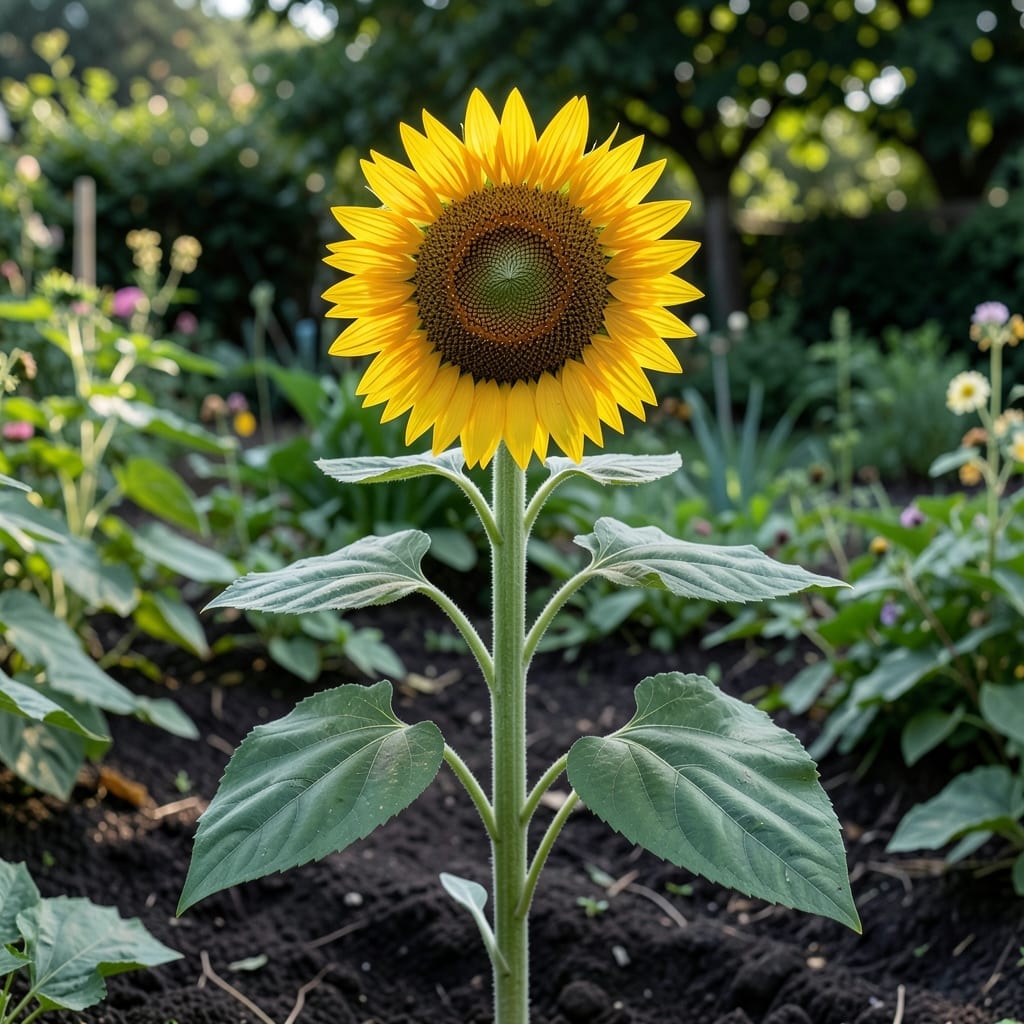
Bees often rest in sunflowers at night, gripping the petals with their jaws to stay secure while they sleep. This behavior helps them conserve energy and stay safe from predators.
Sunflowers offer the perfect overnight refuge with their broad, sturdy petals and central disc providing warmth. 🔥 I’ve noticed bees are especially drawn to varieties with dense florets, as these create cozy pockets that shield them from wind and cold. The plant’s natural oils also attract bees, making it a dual-purpose stop for both rest and nourishment.
💡 In This Article
Sunflowers offer a unique microhabitat that perfectly suits a bee’s nighttime needs. The broad, slightly concave petals create a stable platform, while the dense central disc radiates stored solar heat, maintaining temperatures 5-10°F warmer than ambient air. This warmth is crucial for bees, which need to maintain body temperatures around 86-93°F to function. 🔥
The flower’s structure also provides exceptional protection. The overlapping petals form a natural barrier against wind and light rain, while the fuzzy stem and leaves offer additional shelter. Studies show bees prefer sunflowers with disc diameters over 4 inches, as these provide more secure attachment points for their mandibles.
Nectar availability plays a surprisingly important role in their choice. Sunflowers produce nectar throughout the day, with peak production between 9-11 AM and 3-5 PM. Bees often nap near these nectar-rich zones, allowing them to feed immediately upon waking.
The sugar content in sunflower nectar (typically 35-45%) provides the quick energy boost bees need for their morning flights. ✨
From a behavioral perspective, this resting strategy conserves precious energy. Instead of returning to their hive (which might be 1-3 miles away), bees can spend that energy on foraging. The vertical orientation of sunflowers also means bees don’t need to expend energy maintaining flight stability while resting, as they would on horizontal surfaces.
What’s particularly fascinating is how sunflowers’ heliotropic nature (turning to follow the sun) benefits resting bees. East-facing blooms catch the first morning light, warming up quickly and giving bees a head start on their daily activities. This symbiotic relationship explains why you’ll often find multiple bees on a single sunflower, each claiming their own petal.
💫
Sunflowers offer broad, stable petals and dense centers that retain warmth, creating ideal resting spots. Their vertical orientation also helps bees conserve energy by eliminating the need to maintain flight stability during rest.
Bees usually nap in sunflowers during the evening or early morning. They’re most active between 10 AM-3 PM, so resting often happens just after sunset or before sunrise when temperatures are cooler.
Yes! Varieties like Russian Giant or Mammoth with large, open centers and disc diameters over 4 inches are perfect. These provide more secure attachment points and better shelter for bees.
No, chemical pesticides—especially neonicotinoids—can harm or repel bees. Use organic pest control like neem oil or companion planting to keep your garden bee-friendly and safe.