
Beautiful Plants For Your Interior
Beautiful Plants For Your Interior
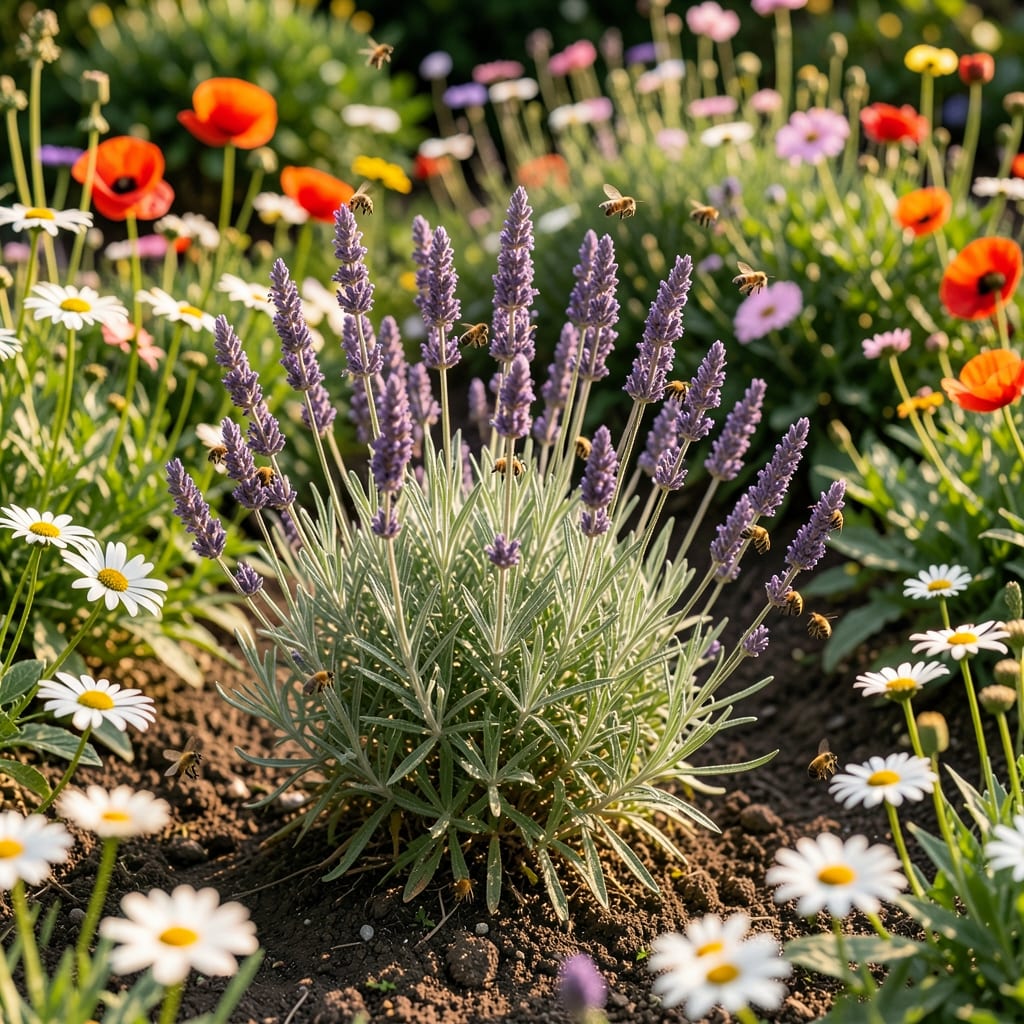
Bees seek out gardens primarily for their abundant nectar and pollen resources. A single honeybee may visit 5,000 flowers in one day, collecting nectar to produce honey and pollen as a protein source for their larvae. Gardens with diverse, blooming plants provide a concentrated food supply that wild areas often lack. 🔥
The colors and scents of garden flowers act as beacons. Bees see ultraviolet patterns on petals that humans can’t, and they’re particularly drawn to blue, purple, and yellow blooms. Fragrances like lavender or sunflower emit volatile organic compounds that bees detect from 1-2 miles away, guiding them directly to the source.
Gardens also offer nesting opportunities. Solitary bees, which make up 90% of bee species, often nest in undisturbed soil, hollow stems, or wood. A well-maintained garden with these features becomes an ideal habitat. The proximity of food and shelter reduces energy expenditure, allowing bees to focus on pollination and colony growth.
This relationship creates a powerful ecological loop. As bees transfer pollen between flowers, they enable plant reproduction. Studies show bee-pollinated plants produce 30-50% more fruit than self-pollinated ones. Gardens thus become hotspots for biodiversity, supporting both plant and insect populations simultaneously. ✨
Seasonal blooming cycles ensure continuous food availability. Early spring crocuses provide the first nectar after winter, while late-blooming asters sustain bees into fall. This temporal diversity allows bee colonies to maintain strength throughout the growing season, rather than experiencing boom-and-bust cycles common in monoculture landscapes.
Bees love native wildflowers like purple coneflowers, sunflowers, and lavender. Blue, purple, and yellow blooms are most visible to them. Plant in clusters for better visibility.
Look for small holes in bare soil or wood, or bees flying in straight lines near the ground. Solitary bees often nest in undisturbed areas. Avoid disturbing these spots.
No, bees are beneficial! They pollinate plants, which increases fruit and vegetable yields by 30-50%. Their presence means your garden is healthy and biodiverse.
Never use chemical pesticides or herbicides. These can kill bees or contaminate their food. Opt for organic methods and natural pest control instead.
Yes! Provide a shallow dish with pebbles or twigs for them to land on. Bees use water for drinking and cooling their hives, especially in hot weather.