
Beautiful Plants For Your Interior
Beautiful Plants For Your Interior
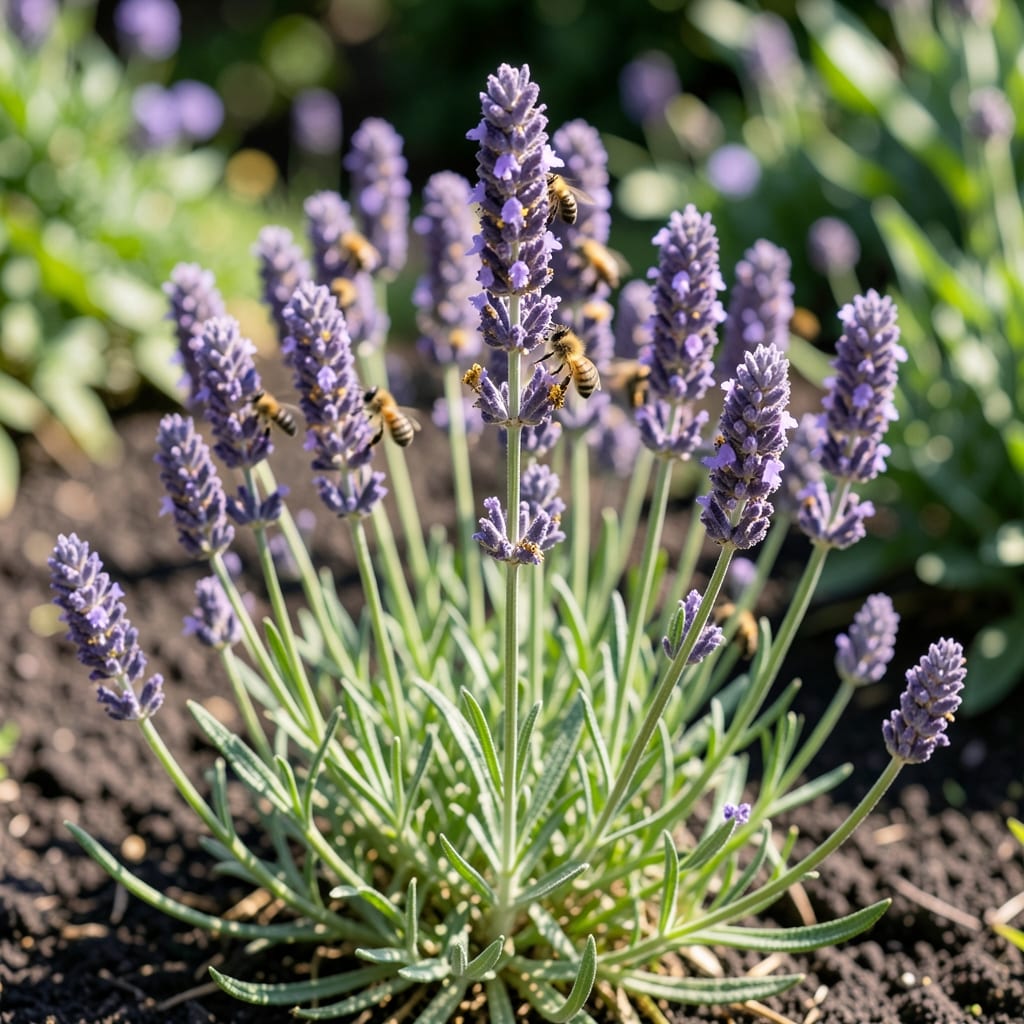
Bees collect pollen as a protein source for their colonies while transferring it between flowers, enabling plant reproduction and boosting garden biodiversity and crop yields.
What fascinates me about this process is the electrostatic charge bees develop while flying. 🔥 This helps pollen stick to their fuzzy bodies, turning each bee into a tiny, highly efficient delivery service for plant genetics. Without this natural mechanism, many fruits and vegetables we rely on simply wouldn’t exist.
I’ve noticed gardens with diverse, native plants attract the most bee activity. ✨ These industrious insects don’t just help flowers—they create a ripple effect that benefits the entire local ecosystem.
💡 In This Article
Bees develop a positive electrostatic charge as they fly, which is key to their pollen-collecting efficiency. This charge attracts negatively charged pollen grains, causing them to jump from flowers to the bee’s fuzzy body—similar to how socks stick to clothes in a dryer. 🔥
A single bee can carry up to 1 million pollen grains per trip, with specialized hairs on their legs and bodies forming pollen “baskets” or corbiculae. These structures allow them to pack and transport pollen back to their hives with remarkable precision.
As bees move from flower to flower, some of this pollen rubs off onto the stigma, the female reproductive part of plants. This transfer enables fertilization, leading to seed and fruit production. Studies show bees can visit up to 5,000 flowers in a single day, making them incredibly effective pollinators. ✨
The process isn’t random—bees exhibit flower constancy, meaning they’ll focus on one plant species per foraging trip. This behavior increases the likelihood of successful cross-pollination, as pollen is more likely to reach compatible flowers.
Temperature and humidity play roles too. Pollen release is most efficient in warm, dry conditions, while rain can wash away available pollen. Bees are most active between 60-100°F, optimizing their pollination efforts during peak flower productivity. 💫
This intricate system supports about 75% of the world’s flowering plants and roughly 35% of global crop production. Without bees, ecosystems would struggle to maintain their current biodiversity and food production levels.
Bees collect pollen as their primary protein source to feed growing larvae in the hive. It’s packed with nutrients essential for bee development. Without it, colonies would struggle to raise healthy offspring.
Specialized hairs on their legs and bodies form pollen “baskets” or corbiculae. A single bee can carry up to 1 million pollen grains per trip. This adaptation makes them incredibly efficient pollinators.
Native wildflowers like purple coneflower, herbs like lavender, and vegetables like squash work well. Plant in groups of at least 3×3 feet for maximum visibility to foraging bees.
Rain washes away available pollen and makes flying difficult. Bees are most active between 60-100°F in warm, dry conditions, which optimize their pollination efforts.