
Beautiful Plants For Your Interior
Beautiful Plants For Your Interior
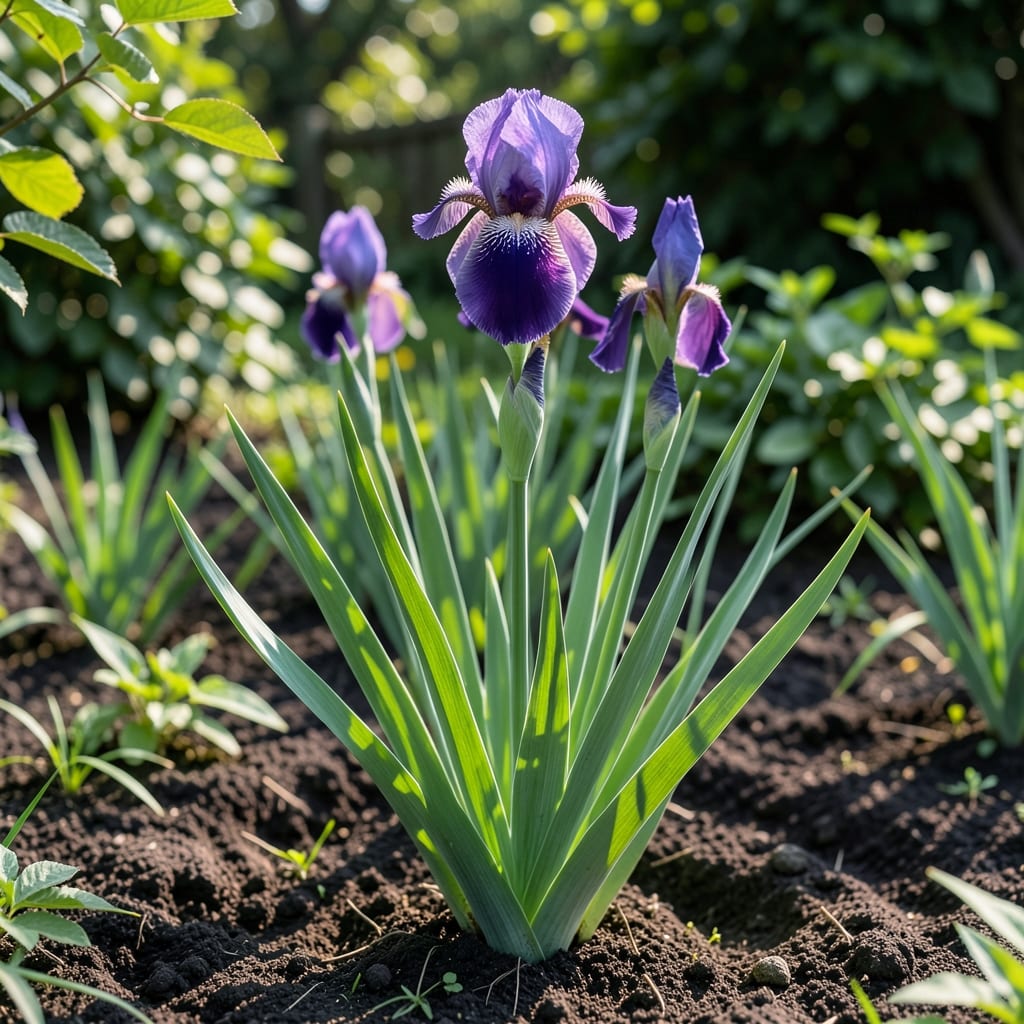
Bearded iris seed pods are elongated, green capsules that form after flowering. They turn brown as they mature, usually splitting open to reveal seeds in late summer or early fall.
I’ve noticed these pods start as small green swellings at the base of spent blooms, gradually growing to 2-3 inches long. The transformation is fascinating—they shift from vibrant green to papery brown as the seeds inside ripen. Gardeners often collect them just as they begin to split, ensuring the seeds remain dry and viable for future planting. ✨
💡 In This Article
The journey begins with successful pollination. Bearded irises rely on bees and other insects to transfer pollen from the anthers to the stigma. Once fertilized, the ovary at the base of the flower starts swelling within 2-3 days, forming a small green capsule. This initial growth phase is subtle but critical.
Over 4-6 weeks, the pod elongates to 2-3 inches, filling with rows of flat, disc-shaped seeds. The color progression is a reliable maturity indicator: bright green in early development, transitioning to yellow-green, then light brown as the seeds harden. The pod’s texture also changes from firm to papery and brittle.
The final stage is the most dramatic. As the seeds reach full maturity in late summer, the pod’s seams weaken and it begins to split open along its length. This natural dehiscence exposes the seeds to wind and rain for dispersal. The timing varies by climate, but typically occurs 6-8 weeks after flowering.
What triggers this process is fascinating. The plant produces ethylene gas internally as the seeds mature, which signals the pod to dry and split. Temperature and humidity play roles too—warm, dry conditions accelerate the process, while cool, damp weather may delay it by 1-2 weeks. 🌟
You’ll notice the seeds inside change from soft and white to hard and dark brown. This color change indicates they’ve developed their protective seed coat. The pod itself becomes so dry it often makes a papery rustling sound when touched, a sure sign it’s ready for collection.
Pods begin forming within 2-3 days of successful pollination, becoming visible as small green swellings. They typically reach full size in 4-6 weeks, with maturity occurring 6-8 weeks after flowering.
Watch for a shift from bright green to light brown as the seeds mature. The pods are ready when they turn papery brown and begin splitting. This color progression is the most reliable indicator of seed readiness.
Place seeds in a clean airtight container with a silica packet or rice to absorb moisture. Store in a cool, dark place where they’ll remain viable for 1-2 years. Always label with the variety and collection date.
This usually occurs when pollination fails. Bearded irises need insect visitors to transfer pollen. Lack of bees or rainy weather during bloom can prevent fertilization, resulting in empty pods that eventually wither.