
Beautiful Plants For Your Interior
Beautiful Plants For Your Interior
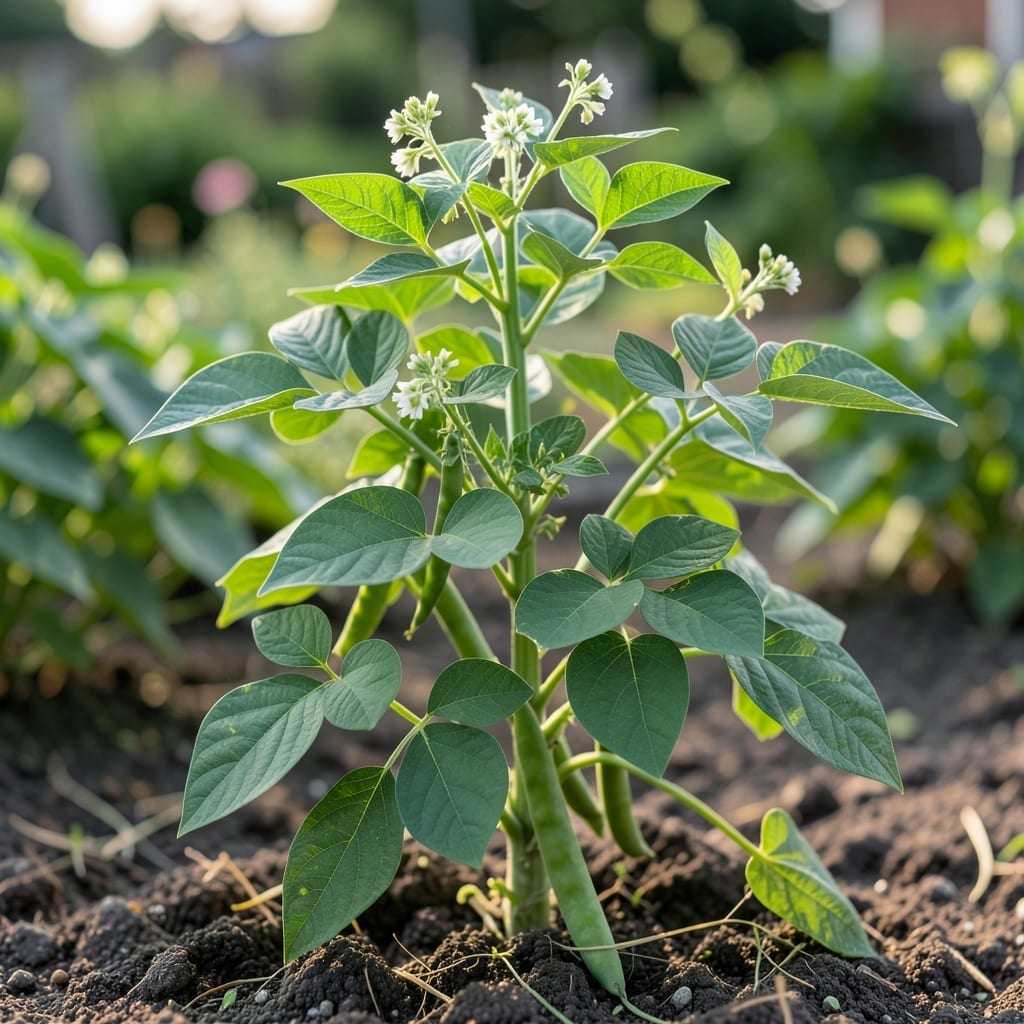
Beans on beans refers to layering cooked beans over fresh or sprouted beans, creating a dish with contrasting textures and a nutty, earthy flavor that deepens as the beans cook together.
This technique highlights how sprouted beans bring a vibrant, crisp bite while cooked ones add a rich, creamy base. 🌟 I love how the layers interact—the fresh beans absorb flavors from the cooked ones, creating a complex taste that’s both hearty and subtle. It’s a simple way to elevate a basic ingredient into something truly special.
💡 In This Article
Sprouting beans unlocks enzymes that break down complex starches into simpler sugars. This process transforms their flavor profile from starchy to sweeter and nuttier. The fresh sprouts contribute a crisp, almost vegetable-like texture that contrasts beautifully with the soft, creamy cooked beans beneath them.
The combination creates a dish that’s as interesting to eat as it is to cook.
When you layer cooked beans with fresh sprouts, the heat gently softens the sprouted beans while they absorb the savory, earthy notes from the cooked base. This happens because the sprouted beans’ cell walls are more permeable, allowing them to soak up flavors like a sponge.
The result is a dish where each bite offers both the deep, robust taste of the cooked beans and the bright, fresh notes of the sprouts.
Different bean varieties contribute unique characteristics. Black beans add a rich, almost meaty depth, while chickpeas bring a lighter, almost buttery quality. Sprouted lentils, with their peppery undertones, can add a surprising complexity when layered with milder beans.
The cooking method matters too—simmering at 190-200°F for 20-30 minutes allows the flavors to meld without turning the sprouts mushy. 💫
The earthy, nutty flavor deepens as the beans cook together because of the Maillard reaction. This chemical process between amino acids and reducing sugars creates new flavor compounds, giving the dish its characteristic depth. It’s the same reaction that makes roasted coffee beans smell so intoxicating or gives grilled meats their rich, caramelized crust.
What most people don’t realize is how the texture contrast enhances the overall eating experience. The soft, almost velvety cooked beans provide a creamy base, while the sprouted beans add a satisfying crunch. This interplay of textures keeps every bite interesting and makes the dish feel more substantial and satisfying. ✨
Black beans and sprouted lentils create a bold, earthy base with peppery notes. For a milder dish, try chickpeas with mung bean sprouts. Always pair similar sizes for even cooking.
Simmer for 15-20 minutes on low heat to meld flavors without turning sprouts mushy. Cover the pot to trap steam, which helps soften the sprouts gently.
Yes, but rinse them thoroughly to remove excess starch. This prevents a gummy texture. Canned beans save time but may have a softer texture than dried.
Overcooking is the main culprit. Add sprouts only during the final 10-15 minutes. Use just enough liquid to create steam, not submerge them.