
Beautiful Plants For Your Interior
Beautiful Plants For Your Interior
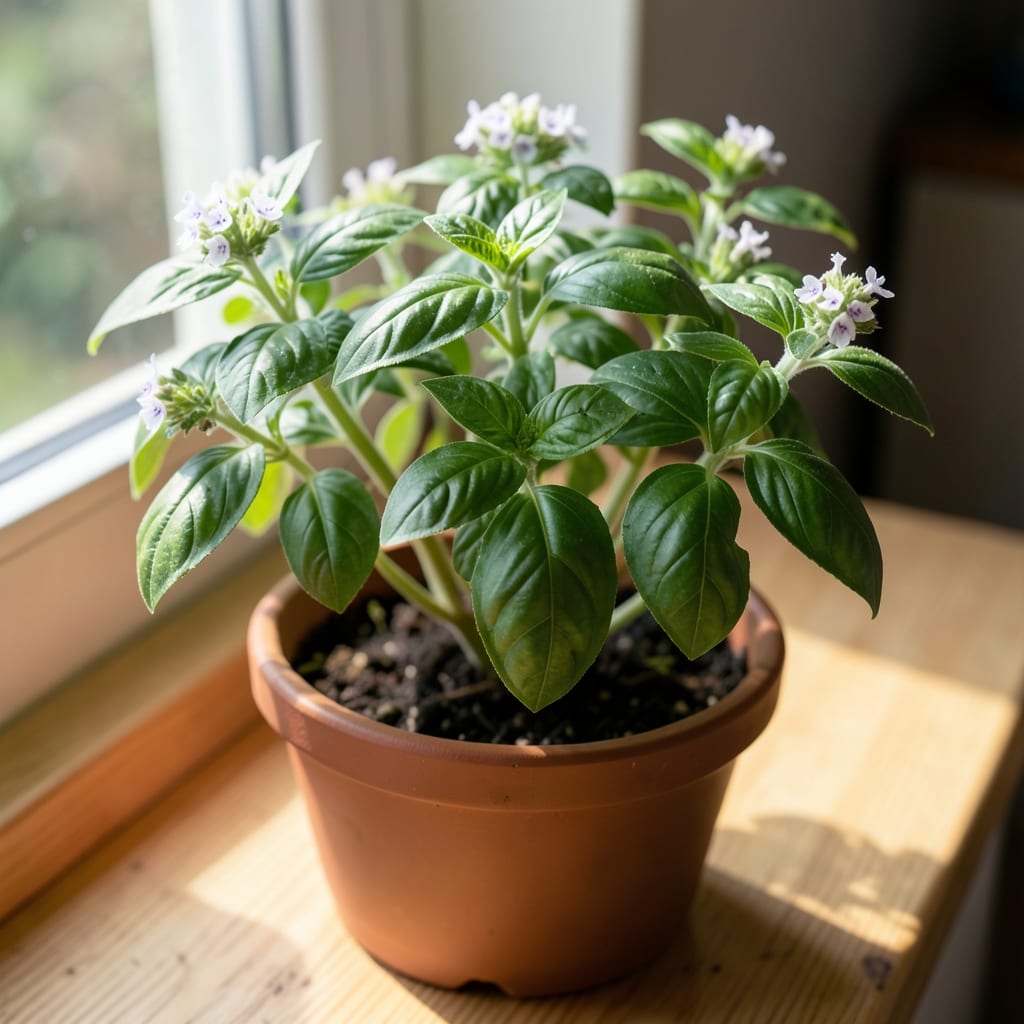
Basil is highly cold-sensitive and typically cannot survive temperatures below 50°F. Frost will kill it outright, while prolonged exposure to chilly conditions stunts growth and causes leaf damage.
I’ve learned this the hard way—even a light chill can turn vibrant basil plants into wilted, blackened messes overnight. This herb thrives in warmth because its tropical origins never prepped it for cold stress, so cell damage kicks in fast. 🌟
For best results, I move potted basil indoors at the first hint of 50°F forecasts or use protective covers for garden plants.
💡 In This Article
The tropical origins of basil mean its cells lack natural antifreeze proteins. When temperatures drop below 50°F, the cell membranes become rigid and rupture, causing irreversible damage. This is why even a light frost can kill the plant within hours. 🌟
Cold also slows photosynthesis dramatically. At 40°F, basil’s metabolic processes nearly halt, starving the plant of energy. The leaves turn dark and mushy as chlorophyll breaks down without replacement. This explains why growth stunts before visible damage appears.
Water uptake becomes another critical issue. Chilled soil reduces root activity by up to 70%, while the plant still loses moisture through its leaves. The result is dehydration despite damp soil—a counterintuitive but common cold-weather problem. ⚡
The plant’s vascular system also suffers. Cold thickens the sap, making it harder to circulate nutrients. This is why basil often develops purple stems and spotted leaves in chilly conditions—signs of nutrient deficiencies caused by poor circulation.
What most gardeners don’t realize is that basil can sense temperature drops before they happen. When nights dip below 55°F, the plant starts producing stress hormones that alter its flavor profile, making leaves more bitter even before visible damage occurs. ✨
Move potted basil inside when nighttime temperatures drop below 55°F. At 50°F, damage begins, and frost will kill it. Even a few hours at 40°F can cause irreversible harm.
Yes! Use floating row covers to trap heat while allowing light and water through. Add a 2-3 inch mulch layer to insulate roots. Remove covers during the day to prevent overheating.
Black leaves signal cell damage from freezing temperatures. The plant’s tropical origins mean it lacks cold protection, so even light frost ruptures cell walls. This damage is permanent.
Take 4-6 inch cuttings from healthy plants and root them in water indoors. Place in a sunny spot with 70-80°F temperatures and provide 6-8 hours of daily light.