
Beautiful Plants For Your Interior
Beautiful Plants For Your Interior
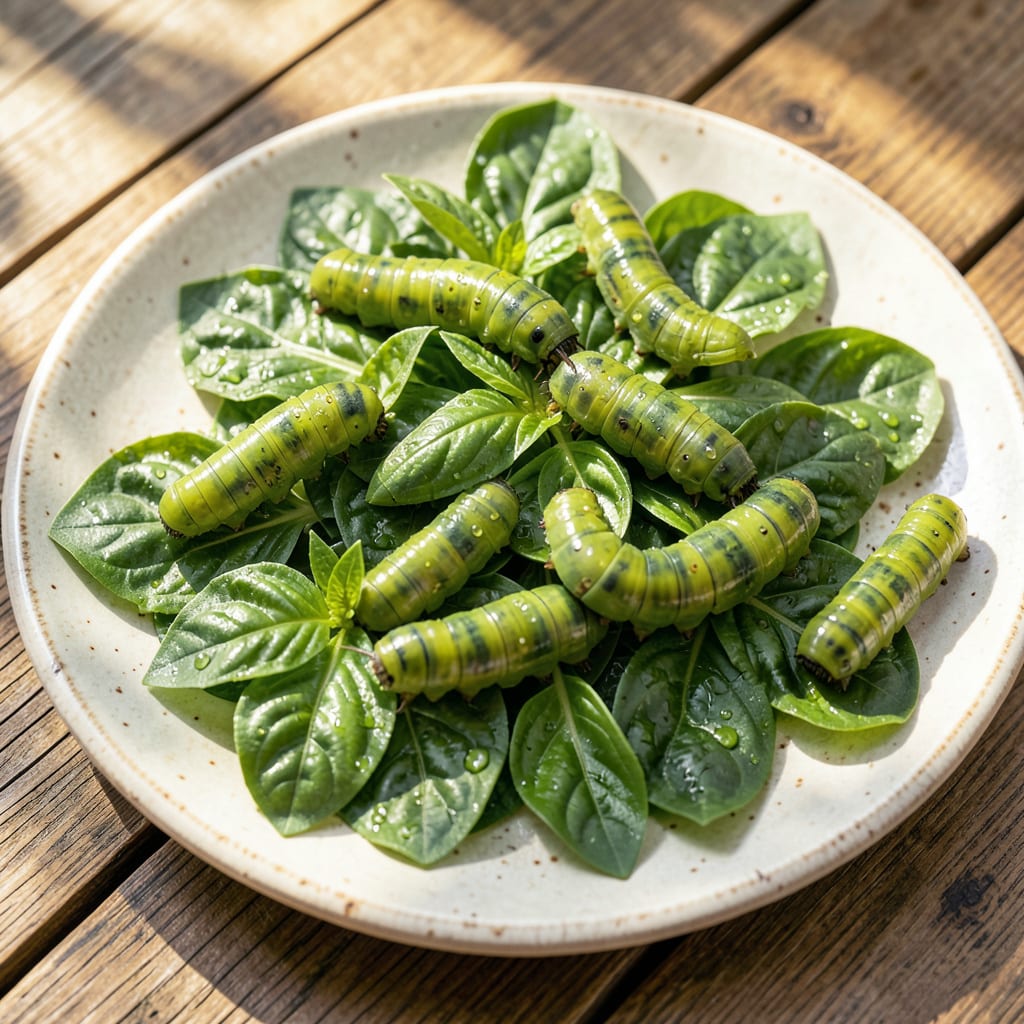
Nothing ruins a basil harvest faster than discovering chewed leaves overnight. I’ve lost entire plants to tiny invaders that turn lush foliage into Swiss cheese in days.
Japanese beetles, aphids, and slugs are the usual suspects, each leaving distinct damage patterns. The key is catching them early—before they multiply and spread to neighboring plants.
Natural solutions like neem oil, hand-picking, or companion planting work surprisingly well. My basil bounced back in under a week after trying these methods.
Prevention is simpler than treatment: keep plants healthy, inspect leaves regularly, and remove debris where pests hide. Here’s how to reclaim your garden.
Basil leaves under attack? The culprits are often pests drawn to your plant’s tender foliage. Here’s why they’re feasting:
Excess moisture creates a humid haven for bugs like aphids and whiteflies. Soggy soil weakens basil, making it more susceptible to infestations. Ensure pots have drainage holes and water only when the top inch of soil is dry.
Dense plantings or stagnant air trap pests near your basil. Spider mites and thrips thrive in still conditions. Space plants 6–12 inches apart and prune regularly to improve airflow.
Over-fertilizing (especially with nitrogen) produces soft, succulent leaves—a buffet for Japanese beetles. Use balanced, organic fertilizers sparingly to avoid luring pests.
Basil stressed by extreme heat, drought, or poor light emits distress signals that attract pests. Maintain consistent conditions: 6–8 hours of sunlight daily and stable temperatures (60–85°F).
Companion plants like marigolds or nasturtiums can deter bugs, but their absence leaves basil vulnerable. Interplant with repellent species to create a natural barrier.
If bugs are munching on your basil leaves, act fast with these targeted fixes. Each solution addresses a specific cause while keeping your plants safe and chemical-free.
Fix: Blast them off with a strong stream of water, then spray leaves with neem oil (1 tbsp oil + 1 tsp dish soap + 1 quart water). Repeat every 3–5 days until gone.
Prevent: Introduce ladybugs or lacewings—natural predators that keep populations in check. 💡 Pro tip: Yellow sticky traps can catch adult whiteflies early.
Fix: Handpick beetles in the morning (they’re sluggish) and drop them in soapy water. For slugs, set up beer traps or sprinkle food-grade diatomaceous earth around the base of plants.
Prevent: Mulch with crushed eggshells—sharp edges deter soft-bodied pests. Water in the morning so foliage dries quickly, reducing appeal.
Fix: Thin seedlings to 6–8 inches apart for better airflow. Prune damaged leaves to redirect energy to healthy growth.
Prevent: Rotate basil with non-host plants (like marigolds) to break pest cycles. ✨ Bonus: Marigolds repel nematodes and aphids naturally!
Fix: Mix in compost or worm castings to boost nutrients. Weak plants attract pests—strengthen them with a balanced organic fertilizer.
Prevent: Avoid over-fertilizing with nitrogen (it attracts sap-sucking bugs). Test soil pH—basil thrives at 6.0–7.5.
Those are likely aphids, common basil pests that cluster on new growth. They suck plant sap, causing leaves to curl and distort. Check undersides of leaves for these soft-bodied insects.
Holes are usually from Japanese beetles or slugs. Beetles chew irregular holes during the day, while slugs leave silvery slime trails at night. Both prefer tender new leaves.
Yes, a mild insecticidal soap works well. Mix 1 tsp dish soap with 1 quart water and spray directly on pests. Avoid harsh detergents that may damage leaves.
Inspect plants every 2-3 days during warm weather. Early morning is ideal as pests are less active. Focus on new growth and leaf undersides where bugs hide.
