
Beautiful Plants For Your Interior
Beautiful Plants For Your Interior
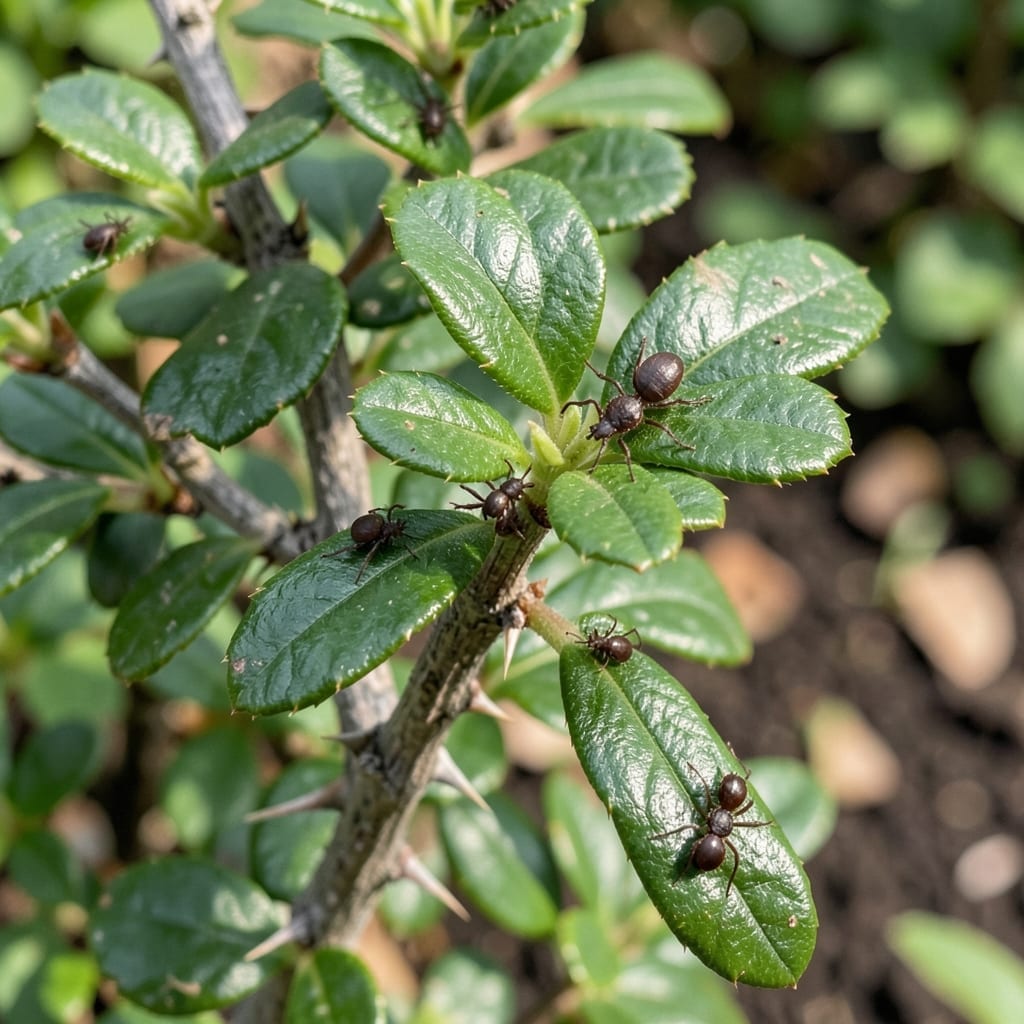
Barberry shrubs create ideal tick habitats with dense foliage and moist leaf litter. Their spiny branches also shelter small mammals that carry ticks, increasing exposure risks in gardens.
I’ve seen firsthand how these plants form perfect hiding spots for ticks due to their thick, low-growing structure that traps moisture. 🔥 The spines create a protective barrier for mice and other small animals that often host ticks, making your yard a hotspot for these pests. Studies show invasive barberry varieties are particularly problematic, as they alter the local ecosystem to favor tick survival and reproduction.
💡 In This Article
Barberry shrubs create a microclimate that ticks adore. The dense, thorny branches form a humid, shaded environment where leaf litter accumulates, retaining moisture at 80-90% relative humidity—ideal for tick survival. 🔥 This moisture prevents desiccation, allowing ticks to remain active for months rather than days.
These shrubs also provide perfect shelter for tick hosts. White-footed mice and chipmunks, which carry 90% of juvenile black-legged ticks, nest in the protective thicket. The spines deter predators, giving these mammals safe haven. Studies show barberry-infested areas can have 3-5x more ticks than native plant zones.
The plant’s invasive nature compounds the problem. Japanese barberry, in particular, alters soil pH and outcompetes native vegetation, creating a monoculture that supports tick populations year-round. Its evergreen foliage provides winter cover when other plants die back, extending the active season for ticks by 2-3 months. ⚡
Seasonal patterns amplify the risk. Ticks are most active from April to September, coinciding with barberry’s rapid spring growth. The shrub’s berries, which persist through winter, attract birds that can transport ticks to new areas. This creates a self-sustaining cycle of infestation that’s difficult to break.
Research confirms the link. A 2020 study by the University of Connecticut found that areas with dense barberry had 120% more nymphal ticks—the stage most likely to bite humans—compared to areas without the shrub. The correlation was strongest in suburban landscapes where barberry is commonly planted as ornamentation. ✨
They create perfect tick conditions with dense foliage trapping moisture at 80-90% humidity. The spiny branches also shelter mice and chipmunks that carry ticks, making these shrubs ideal habitats for both ticks and their hosts.
Create a 3-foot-wide barrier of wood chips or gravel between your yard and any barberry plants. This dry zone helps stop tick movement since they can’t survive 24-48 hours without moisture.
Consider native alternatives like inkberry or winterberry. These support local ecosystems without creating the humid, dense environment that ticks love. They also don’t provide the same shelter for tick-carrying mammals.
Apply treatments during early spring and late fall to target ticks at vulnerable life stages. These are the most effective times to break the reproduction cycle while minimizing harm to beneficial insects.