
Beautiful Plants For Your Interior
Beautiful Plants For Your Interior
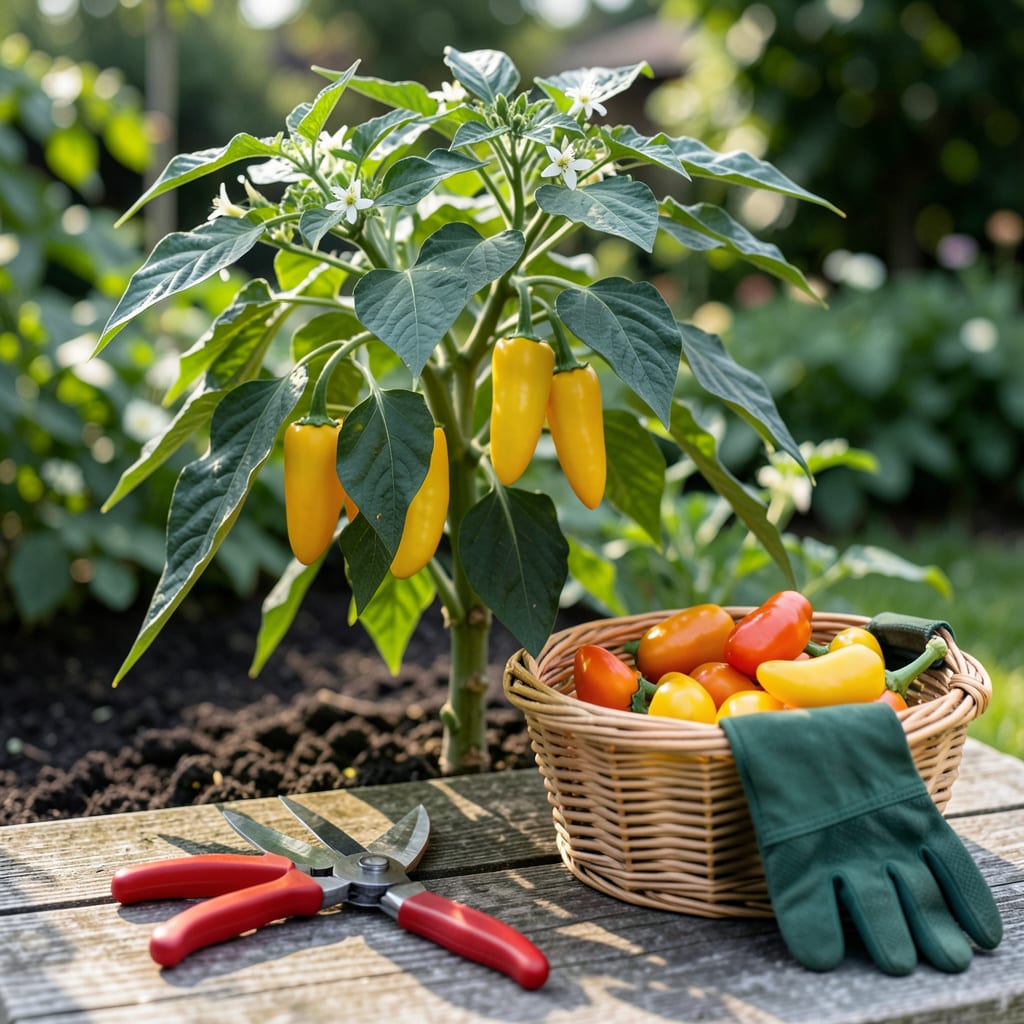
That moment when your banana peppers finally look ready—only to taste bitter or mushy—is every gardener’s nightmare. Timing is everything: pick too soon, and you miss out on sweetness; wait too long, and the texture turns mealy.
I’ll show you the exact visual cues (color, size, and firmness) to guarantee a perfect harvest every time. Whether you’re growing classic yellow varieties or spicier red ones, you’ll learn when to pluck them for the best flavor—plus the right technique to keep your plants thriving for more rounds.


Nothing beats the satisfaction of plucking a perfectly ripe banana pepper—but how do you know it’s truly ready? The secret lies in three key factors: color transformation, size consistency, and firmness test. Most varieties start green, then shift to yellow or red as they mature.
For classic yellow banana peppers, wait until the fruit turns a vibrant, even sunshine-yellow hue. This stage—typically 60–75 days after transplanting—delivers that ideal balance of sweetness and mild tang. Red varieties need extra time, often 80–90 days, for full ripeness.
| Stage | Color | Size | Flavor Profile | Best For |
|---|---|---|---|---|
| Early | Pale green 🟢 | 4–5 inches | Crisp, mild, slightly bitter | Pickling |
| Peak (Yellow) | Bright yellow 🟡 | 5–7 inches | Sweet, tangy, low heat | Fresh eating |
| Mature (Red) | Deep red 🔴 | 6–8 inches | Fruity, slightly hotter | Cooking, drying |
Size varies by variety; always check seed packet specifics.
Don’t rely on color alone—give the pepper a gentle squeeze test. A ripe banana pepper should feel firm but slightly yielding, like a ripe tomato. If it’s rock-hard, it needs more time. If it’s soft or wrinkled, you’ve waited too long.
Check the stem connection too. A pepper ready for harvest will detach with a light twist—no tugging required. If it resists, leave it for another 2–3 days and recheck. Morning is the best time to harvest, when peppers are crispest and juiciest.
Climate plays a role: in hotter zones (USDA 7–9), peppers may ripen 10–14 days faster than in cooler areas. Watch for accelerated color change during heatwaves. Conversely, in cooler regions, extend your patience by a week or two.
For prolonged harvests, pick peppers regularly—this encourages the plant to produce more. I aim to harvest every 3–5 days during peak season. Use clean pruners or scissors to snip the stem, leaving ½ inch attached to avoid damaging the plant.
If you’re saving seeds, let a few peppers fully ripen to deep red (or orange for some varieties). These overripe fruits will have mature seeds inside, perfect for next season’s planting. Just don’t leave them too long, or they’ll attract pests like aphids or fruit flies.
After picking, store peppers in a perforated bag in the fridge for up to 10 days. For longer storage, freeze them whole or sliced—they’ll keep for 6–8 months. Avoid washing until ready to use; excess moisture speeds up spoilage.
Remember, taste tests are your best guide! Sample one pepper at each stage to discover your preferred flavor. I love the zesty kick of yellow peppers, but my neighbor swears by the sweeter green stage for pickling. Experiment to find your favorite!
Even experienced gardeners sometimes sabotage their banana pepper harvest without realizing it. The most common blunders aren’t about luck—they’re about timing and technique. Let’s fix these before your next picking session.
First up: picking too early. Those pale green peppers might look tempting, but they’ll deliver a bitter, grassy taste instead of the sweet-tangy flavor you want. I’ve ruined entire batches of pickles by harvesting at this stage—trust me, patience pays off!
Fix these, and you’ll boost both flavor and plant productivity!
The opposite problem—waiting too long—is just as damaging. Overripe peppers turn soft, develop wrinkled skin, and often fall off the plant. Worse, they signal to the plant that its job is done, reducing future production. In hot climates, this can happen shockingly fast—sometimes in just 24–48 hours.
Here’s how to time it perfectly: check peppers every other day once they near maturity. The golden window is when they’re fully colored but still firm. For yellow varieties, this means a bright, even hue with no green streaks. Red types should be deep and glossy, not dull.
Now let’s talk technique. Never pull or yank peppers from the plant—this tears stems and invites disease. Instead, use clean pruners or your fingernails to snip the stem, leaving about ½ inch attached. I like to hold the plant’s main stem with one hand while cutting to prevent accidental damage.
Timing matters too: harvest in the early morning when peppers are most crisp and hydrated. Avoid midday heat, which can make peppers limp. If you must pick later, mist the plants with water an hour beforehand to plump them up. This simple trick extends shelf life by 2–3 days.
Finally, don’t ignore post-harvest care. Peppers left in direct sun after picking can develop sun scald in minutes. I keep a shaded basket nearby to transfer them immediately. For storage, use perforated bags in the fridge’s crisper drawer—they’ll stay fresh for 7–10 days this way.
Remember, every pepper you pick correctly encourages the plant to produce more. My record was 47 peppers from a single plant in one season—all because I avoided these mistakes! Now grab those pruners and go enjoy that perfect, crunchy harvest. 🌶️
Not all banana peppers should be picked at the same stage—your intended use determines the perfect harvest time. Whether you’re snacking fresh, preserving through pickling, or cooking up a storm, timing changes everything about flavor and texture.
For fresh eating, aim for the bright yellow stage. This is when peppers offer the best balance of sweetness and crispness, typically 60–75 days after transplanting. The flesh will be firm but juicy, perfect for slicing into salads or enjoying raw.
| Use | Ideal Color | Texture | Flavor Profile | Storage Life |
|---|---|---|---|---|
| Pickling | Light green 🟢 | Extra firm | Mild, slightly bitter | 6+ months (pickled) |
| Fresh Eating | Bright yellow 🟡 | Crisp, juicy | Sweet-tangy balance | 7–10 days (fridge) |
| Cooking | Deep red 🔴 | Softer, meatier | Rich, fruity, slight heat | 5–7 days (fridge) |
*Harvest in morning for best texture regardless of use.
For pickling, harvest peppers when they’re still firm and green, usually 50–60 days after transplanting. The less mature flesh holds up better during brining and stays crunchy. I’ve found these early peppers absorb flavors more uniformly during the pickling process.
Cooking applications call for fully ripe peppers—wait until they turn deep red. At this stage, they develop a sweeter, fruitier flavor with just a touch of heat. The flesh becomes slightly softer, perfect for sautéing or roasting. These take longest, often 80–90 days from transplant.
Remember that storage needs vary by ripeness too. Green peppers for pickling can sit at room temperature for 24 hours before processing, while yellow peppers for fresh use should go straight to the fridge. Red peppers are most perishable—use them within 5–7 days or freeze for later.
Pro tip: If you love stuffed peppers, harvest at the yellow stage but let them sit at room temperature for 24 hours before using. This extra time enhances their natural sweetness without softening them too much for stuffing. 🌶️
Most banana peppers reach their ideal yellow stage in 60–75 days after transplanting. This timeline can shorten to 50–60 days in warmer climates or lengthen to 80 days in cooler zones.
Yes, but they’ll taste more bitter and less sweet. Green peppers are best for pickling since their firm texture holds up well. For fresh eating, wait until they turn bright yellow for optimal flavor.
Use clean pruners or scissors to snip the stem, leaving ½ inch attached. Avoid pulling or twisting, which can break branches. Hold the plant’s main stem gently while cutting for extra support.
Overripe peppers become soft or wrinkled, with dull color instead of vibrant yellow or red. They may also detach easily from the plant. Harvest immediately if you notice these signs to prevent spoilage.
Regular harvesting signals the plant to produce more. Aim to pick peppers every 3–5 days during peak season. This keeps the plant productive and extends your harvest window.
