
Beautiful Plants For Your Interior
Beautiful Plants For Your Interior
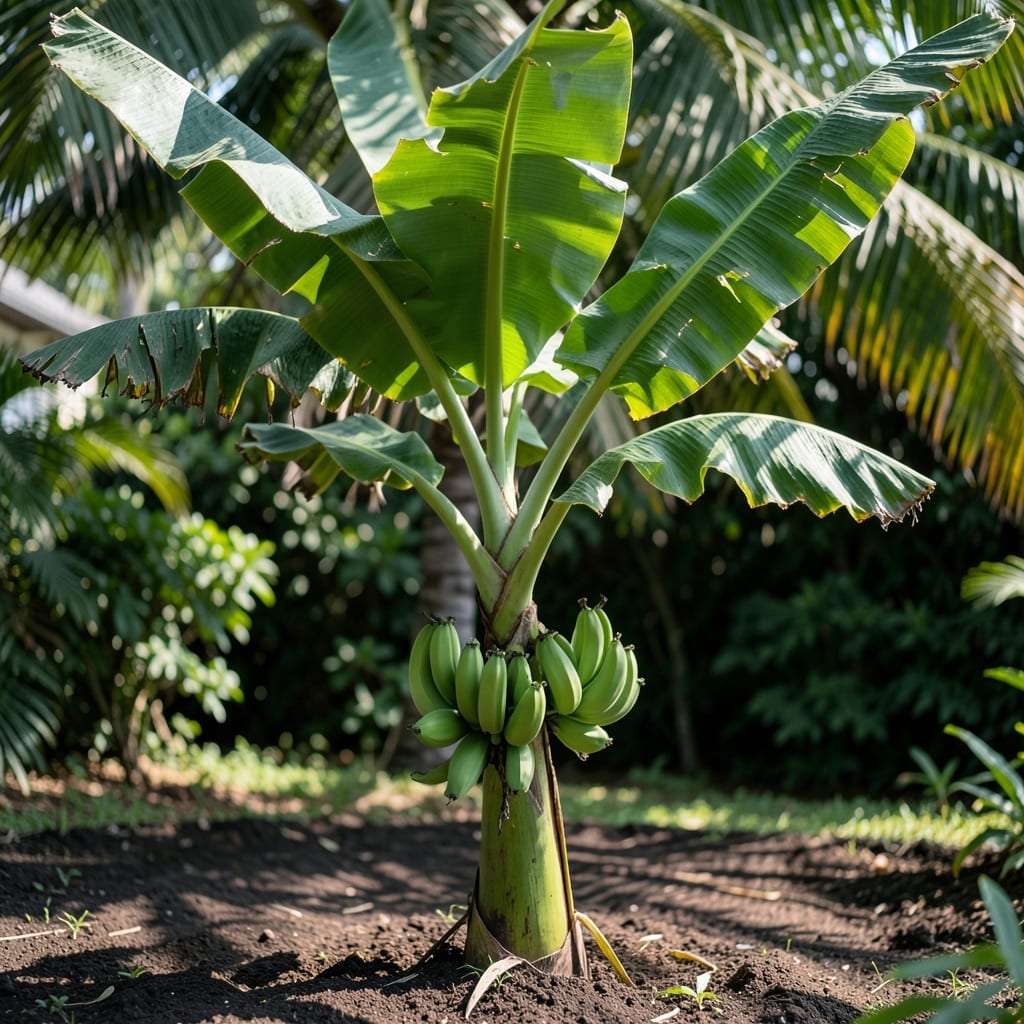
Botanically, bananas are classified as berries because they develop from a single ovary and contain seeds embedded in their fleshy pulp, though commercial varieties are seedless.
This classification stems from the botanical definition of a berry as a fleshy fruit with embedded seeds. 🔥 Most people find it surprising because we associate berries with small, juicy fruits like strawberries, but the scientific criteria focus on structure rather than size or taste.
In home gardens, growing banana plants reveals this unique characteristic firsthand—you’ll notice the seed remnants even in seedless varieties. This makes them fascinating to cultivate and observe. ✨
💡 In This Article
The botanical definition of a berry is surprisingly precise: a fleshy fruit produced from a single ovary with seeds embedded in the pulp. Bananas fit this perfectly, developing from a single superior ovary in the flower. Their outer skin is the ovary wall, while the edible portion is the fleshy pericarp surrounding the seeds.
What sets bananas apart is their parthenocarpic nature—commercial varieties develop without fertilization, explaining why they appear seedless. Yet, their structure matches berries exactly: a soft pericarp, thin exocarp (peel), and mesocarp (flesh). Wild banana varieties still contain visible seeds, proving their true berry classification.
This places bananas alongside tomatoes, grapes, and even pumpkins in the berry category. The confusion arises because culinary usage doesn’t always align with botanical definitions. A tomato is a berry by structure, just as a banana is, despite their vastly different sizes and uses.
In plant taxonomy, bananas belong to the Musaceae family, genus Musa. Their berry classification comes from their simple ovary structure and seed arrangement, matching the technical definition perfectly. The next time you peel a banana, remember you’re handling a berry in its purest botanical form. 🔥
This classification also explains why bananas grow in clusters called hands, each containing 10-20 fingers. Each finger develops from an individual flower, yet all share the same berry characteristics. The plant’s growth habit further confirms its unique place in the berry family.
Bananas meet the botanical definition of berries: fleshy fruit from a single ovary with embedded seeds. Their structure—thin outer peel, soft flesh, and central seed remnants—matches that of tomatoes or grapes.
Wild bananas contain visible seeds, but commercial varieties are parthenocarpic—they develop without fertilization, making them appear seedless. The tiny black specks in the center are non-viable seed remnants.
Tomatoes, grapes, pumpkins, and even watermelons are botanically classified as berries. The key is their development from a single ovary with seeds embedded in fleshy pulp, regardless of size.
Yes! Dwarf varieties like Dwarf Cavendish produce the same berry-type fruit. They need 10-15 months of frost-free growth, full sun, and well-draining soil to thrive in home gardens.