
Beautiful Plants For Your Interior
Beautiful Plants For Your Interior
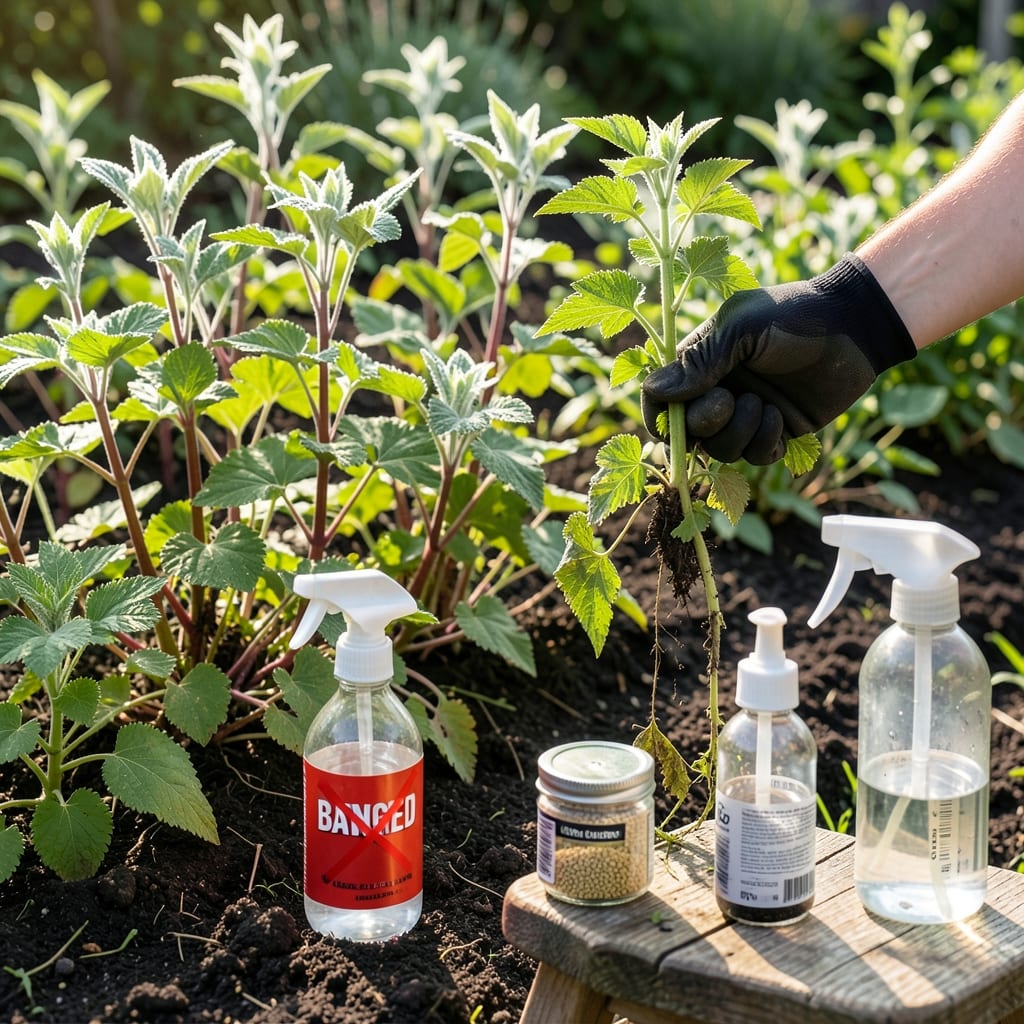
Roundup’s active ingredient glyphosate faces partial bans in some countries and cities, but remains legal for most uses in the U.S. with restrictions. Always check local regulations before use.
I’ve noticed the regulatory landscape varies widely—several European nations and U.S. cities have restricted glyphosate due to health and environmental concerns. 🌟 Meanwhile, federal agencies maintain it’s safe when used as directed, though lawsuits continue to shape its future. For gardeners, this means staying informed about both legal and practical implications.
💡 In This Article
The global stance on glyphosate reveals a sharp divide. The European Union voted in 2023 to extend its approval but with stricter conditions, while countries like France and Germany have phased out consumer use entirely.
This stems from the 2015 IARC classification of glyphosate as “probably carcinogenic,” though the WHO later clarified this was based on limited evidence. 🔥
In the U.S., the EPA maintains that glyphosate poses no significant risk when used as directed, reaffirming its stance in 2020 after reviewing over 100,000 public comments. However, this hasn’t stopped legal challenges.
A $10.9 billion settlement by Bayer in 2020 resolved thousands of lawsuits linking Roundup to non-Hodgkin’s lymphoma, though the company continues to defend its safety. ✨
Local governments are taking action too. Over 150 U.S. cities and counties have restricted glyphosate use in public spaces, including Miami, Los Angeles, and Portland. These bans often focus on parks, schools, and waterways where children and wildlife are most vulnerable.
The patchwork of regulations means gardeners must check city ordinances, not just state or federal guidelines. 💫
Canada and Australia allow glyphosate but with evolving restrictions. Health Canada proposed reducing allowable residue limits in 2021, while Australia’s APVMA requires buffer zones near water bodies. These measures reflect growing caution about environmental impact, particularly on pollinators and aquatic ecosystems. ⚡
The scientific debate continues. While regulatory bodies differ in their assessments, the consistency in precautions—like wearing protective gear or avoiding spray drift—suggests a “better safe than sorry” approach is gaining traction worldwide. This explains why many garden centers now stock alternatives prominently alongside traditional herbicides. 🌟
France, Germany, and several others have banned consumer use, while the EU allows it with strict conditions. Outside Europe, countries like Sri Lanka and El Salvador have full bans in place.
No state has a full ban, but over 150 cities and counties restrict its use in public spaces. California requires cancer warning labels on glyphosate products.
Effective alternatives include 20-30% vinegar solutions for young weeds, manual removal, or natural pre-emergents like corn gluten meal. Always apply on sunny days for best results.
The divide comes from differing risk assessments. The EPA says it’s safe when used as directed, while the IARC’s 2015 classification as “probably carcinogenic” led to many restrictions.