
Beautiful Plants For Your Interior
Beautiful Plants For Your Interior
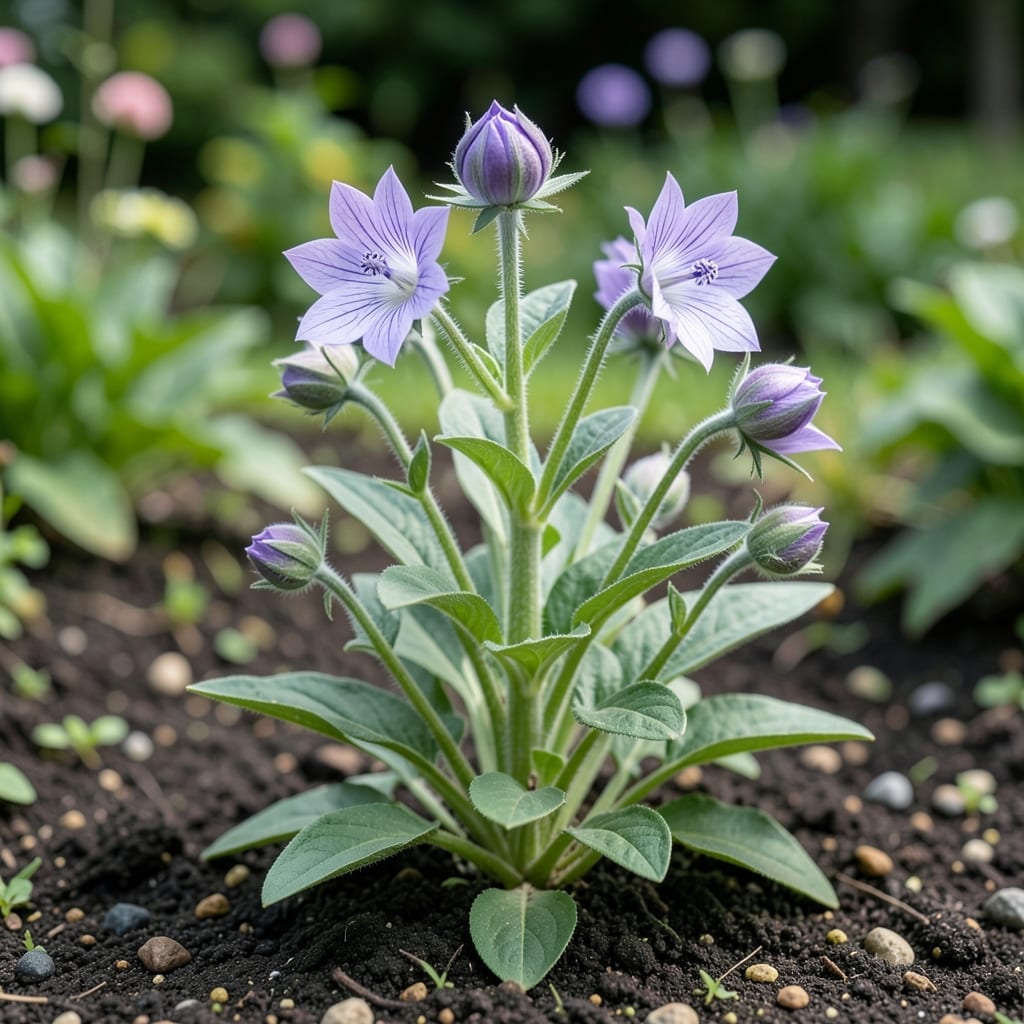
Balloon flowers thrive in USDA zones 3 through 8, preferring cool to moderate climates with well-drained soil and partial to full sun exposure for optimal growth.
I’ve found these hardy perennials handle winter chills down to -40°F in zone 3, while in zone 8 they appreciate some afternoon shade during peak summer heat. Their adaptability makes them ideal for gardeners across a wide geographic range. 💫
What sets balloon flowers apart is their ability to bloom reliably year after year with minimal care, as long as the soil doesn’t stay soggy. This resilience is why I recommend them for both beginners and experienced gardeners. ✨
💡 In This Article
Balloon flowers thrive in zones 3-8 because they’ve evolved to handle temperature swings from -40°F to 90°F. Their roots develop a deep, fibrous network that anchors them during winter freezes while storing energy for spring regrowth. This cold hardiness comes from their native habitat in temperate East Asian regions with similar seasonal extremes. 🔥
Their ideal temperature range for active growth is 60-75°F, which aligns with spring and fall conditions in these zones. During summer heat above 85°F, the plants may enter partial dormancy in southern areas of zone 8, conserving energy until cooler weather returns.
This adaptability explains why they perform equally well in Minnesota gardens and Virginia landscapes.
Humidity preferences lean toward moderate levels (40-60%), as excessive moisture can lead to fungal issues. The bell-shaped blooms actually collect morning dew, which the plant uses efficiently through its waxy leaf cuticles. This water-use strategy helps them tolerate brief droughts once established, though consistent moisture produces the most vibrant flowers.
Seasonal growth patterns show balloon flowers emerging in early spring, with blooms appearing in mid-summer and continuing until first frost. In cooler zones 3-5, this means a shorter but intense flowering period, while gardeners in zones 6-8 enjoy an extended bloom season that can last 8-12 weeks with proper deadheading. ⚡
Their frost tolerance extends beyond just surviving winter—these plants often produce a second flush of blooms after light early frosts in autumn. This is because the cold triggers a survival response that includes rapid flower production before true dormancy sets in.
Gardeners in zone 8 may see this phenomenon in late fall when temperatures dip briefly below freezing.
Soil temperature plays a crucial role too, with optimal root growth occurring when soil reaches 50-60°F. This is why early spring planting in cooler zones often yields better establishment than fall planting, as the roots have time to develop before winter.
The plants’ ability to thrive in these conditions makes them a reliable choice for gardeners seeking low-maintenance perennials. ✨
Balloon flowers are cold-hardy down to -40°F, making them perfect for zone 3 winters. Their deep root systems store energy to regrow in spring.
In zones 7-8, afternoon shade helps prevent heat stress during peak summer. They thrive in 60-75°F but may dormantly wait out extreme heat.
Water deeply 1-2 times weekly during establishment, then 1 inch per week once mature. Well-draining soil is key to prevent root rot.
In zones 3-5, expect blooms from mid-summer to first frost. The shorter season produces intense, vibrant flowers.