
Beautiful Plants For Your Interior
Beautiful Plants For Your Interior
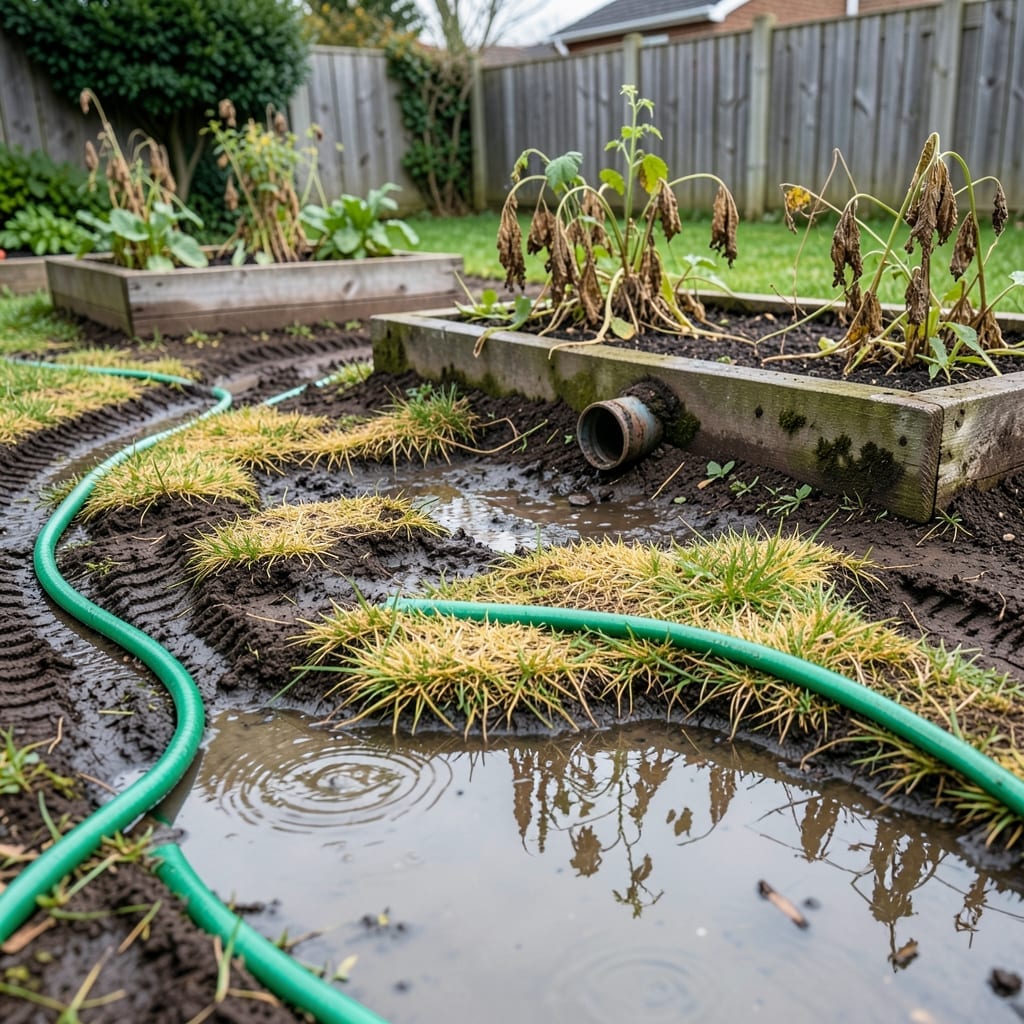
Backyard water issues often stem from poor drainage, compacted soil, or improper grading. Solutions include French drains, rain gardens, or regrading to redirect water away from plants and structures.
I’ve seen firsthand how standing water can ruin a garden overnight. The key is addressing the root causes—like clay-heavy soil that repels water or slopes that channel runoff toward your home. 💫 A simple DIY swale or strategic plantings of moisture-loving species can transform a soggy yard into a thriving landscape without major construction.
💡 In This Article
Clay-heavy soil is a primary culprit, as its tiny particles pack tightly together, leaving little room for water to pass through. This creates a nearly impermeable layer that forces water to pool on the surface rather than draining down. In contrast, sandy soils drain too quickly, but they’re rarely the problem in residential yards. 🔥
Improper grading is another major factor. A yard should slope away from your home at a minimum grade of 6 inches over 10 feet to ensure water flows away from the foundation. If the slope is too flat—or worse, sloped toward the house—water accumulates in low spots, creating persistent puddles.
Hardpan layers, often formed by construction equipment or heavy foot traffic, act like an underground barrier. These compacted zones, sometimes just 6-12 inches below the surface, prevent water from seeping deeper into the soil. Even well-graded yards can suffer if hardpan is present, as it traps water in the topsoil. ✨
Downspout placement can also worsen drainage. If gutter downspouts dump water directly onto the ground near the foundation, they can overwhelm the soil’s ability to absorb it. This is especially problematic in areas with clay soil, where the water has nowhere to go.
Extending downspouts at least 5-10 feet away from the house can prevent this issue. 💫
These factors often work together. For example, a yard with clay soil and poor grading will struggle with drainage even if downspouts are positioned correctly. Addressing just one issue—like regrading—may not solve the problem if hardpan or compacted soil remains untreated.
Look for standing water after rain, soggy patches, or fungus growth. If puddles last more than 24 hours or you notice water pooling near your foundation, these are clear signs of poor drainage.
Create a swale—a shallow trench with a gentle 2-3% slope. Line it with river rock to guide water away from problem areas. This project takes a weekend and requires only basic tools.
Yes! Water-tolerant species like bald cypress or willow absorb excess moisture naturally. Plant them in soggy spots to improve drainage while enhancing your landscape.
A dry well should be 2-3 feet deep and 3 feet wide. Fill it with gravel and perforated pipe to create an underground reservoir that slowly disperses water into the soil.
Your yard should slope away from the foundation at a minimum of 6 inches over 10 feet. This ensures water flows away rather than pooling near your home.