
Beautiful Plants For Your Interior
Beautiful Plants For Your Interior
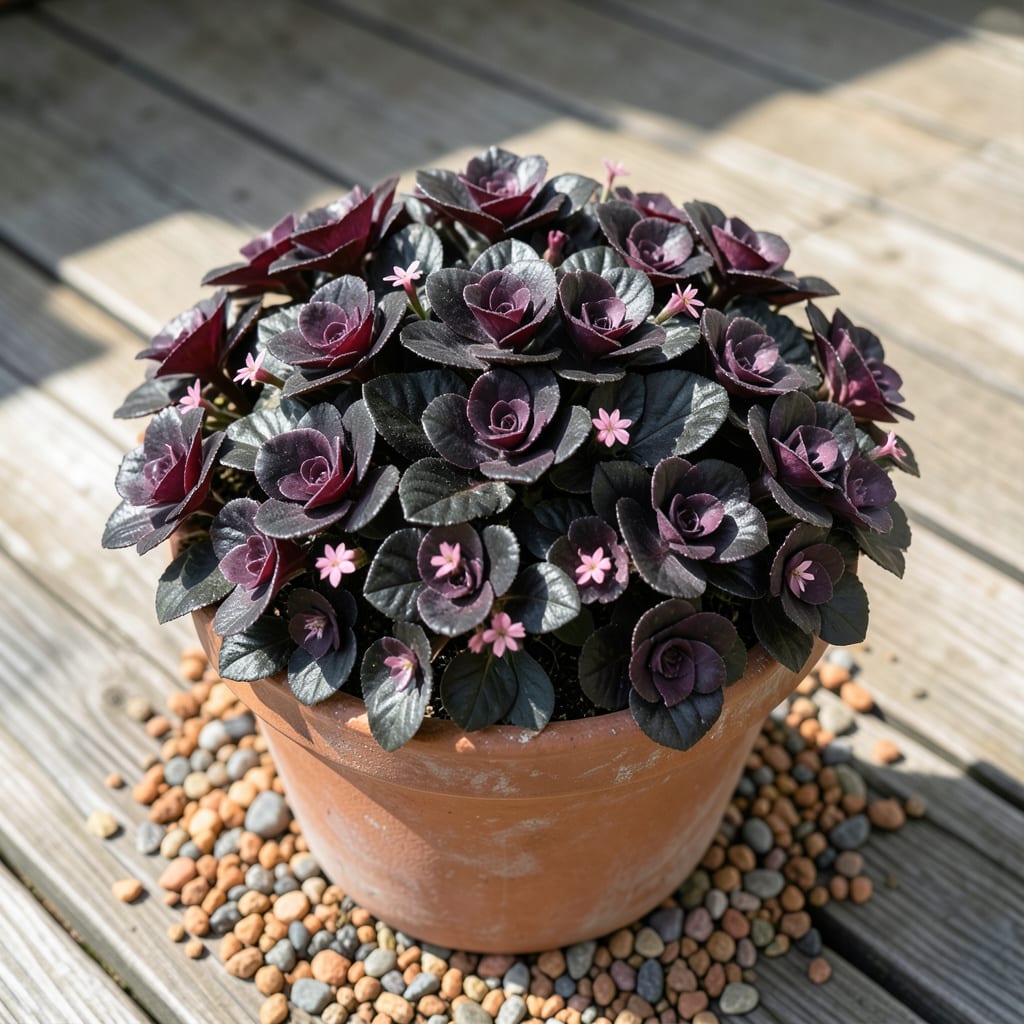
Dark, dramatic foliage that stops people in their tracks. Back in Black sedum delivers deep purple-black leaves that look stunning next to bright flowers or silver foliage.
This tough plant thrives on neglect once established. I’ve grown it in full sun with minimal water, and it still spreads into a lush mat of color. The contrast it adds to any garden is unbeatable.
📚 In This Guide
This method ensures dark, dramatic foliage that thrives with minimal effort in your landscape.
Select a spot with full sun exposure, as this sedum performs best with at least 6-8 hours of direct sunlight daily. The dark purple-black leaves develop their richest color in bright light, while too much shade causes them to turn greenish and lose their striking appearance.
Ensure the soil drains well—this plant hates soggy roots. If your garden has heavy clay, amend the area with compost or plant in a raised bed. I’ve found that even a slight slope helps prevent water from pooling around the stems.
Space plants 18-24 inches apart to allow for their mounding growth habit. They’ll spread gradually but won’t become invasive.
Loosen the soil to a depth of about 12 inches, removing any weeds or debris. Sedums aren’t picky about soil quality, but they do need good drainage. Mix in a handful of compost if your soil is particularly poor, though this plant thrives in lean conditions too.
If planting multiple sedums, dig holes slightly wider than the root ball but no deeper. The crown should sit just above soil level to prevent rot. I always check the depth by laying a trowel across the hole—if the top of the root ball is flush with it, it’s perfect.
Gently remove the sedum from its container and tease the roots apart if they’re tightly bound. This encourages outward growth into the surrounding soil. Place the plant in the hole and backfill with native soil, pressing lightly to eliminate air pockets.
Water thoroughly after planting to settle the soil around the roots. Give each plant about 1 gallon of water, then let the top 1-2 inches of soil dry out before watering again. Overwatering is the fastest way to kill sedum—its fleshy leaves store moisture efficiently.
Once established, Back In Black sedum is remarkably drought-tolerant. I water mine deeply every 2-3 weeks during dry spells, but it often survives on rainfall alone. The key is to let the soil dry between waterings—this mimics its natural, arid habitat.
Fertilizer isn’t necessary and can actually reduce the intensity of the dark foliage. If your plants look lackluster, a light application of balanced fertilizer in early spring is sufficient. Otherwise, leave them be.
Deadhead spent flower stalks in late fall if you prefer a tidy look, though I leave mine through winter for architectural interest. The dried seed heads catch frost beautifully.
These practical pointers will help you get the most stunning results with minimal effort.
The Sunlight Factor: That 6-8 hours of direct sunlight in Step 1 isn’t just a suggestion—it’s what transforms the foliage from ordinary green to that dramatic purple-black. I learned this the hard way when my first planting turned out disappointingly green in a partially shaded spot.
Drainage is Everything: If your soil stays wet after rain, take Step 2 seriously. I’ve seen more Back In Black sedums struggle from soggy roots than any other issue. A simple raised bed or even a slight mound can make all the difference if you’re working with heavy clay.
Planting Depth Check: In Step 3, that detail about keeping the crown just above soil level prevents rot. I always use my trowel trick mentioned in the instructions—it’s the easiest way to get the depth perfect every time.
Watering Wisdom: The 1 gallon of water after planting in Step 3 is crucial, but the real key is what comes next. Letting that top 1-2 inches of soil dry out before watering again is what keeps these plants happy long-term.
This drought-tolerant succulent thrives in full sun and well-draining soil. Water sparingly—only when the soil is completely dry. It’s low-maintenance and perfect for beginners!
Expect stunning deep pink to magenta flowers in late summer to early fall. The dark foliage adds drama all season, making it a garden standout.
Absolutely! Use a pot with drainage holes and cactus/succulent mix. It’s a great choice for container gardens, rock gardens, or borders.
Overwatering is the most common culprit. Ensure the soil dries out between waterings, and check for poor drainage. Too much shade can also cause stress.
Try Angelina sedum for golden foliage or Autumn Joy for classic pink blooms. Both offer similar hardiness and ease of care.
