
Beautiful Plants For Your Interior
Beautiful Plants For Your Interior
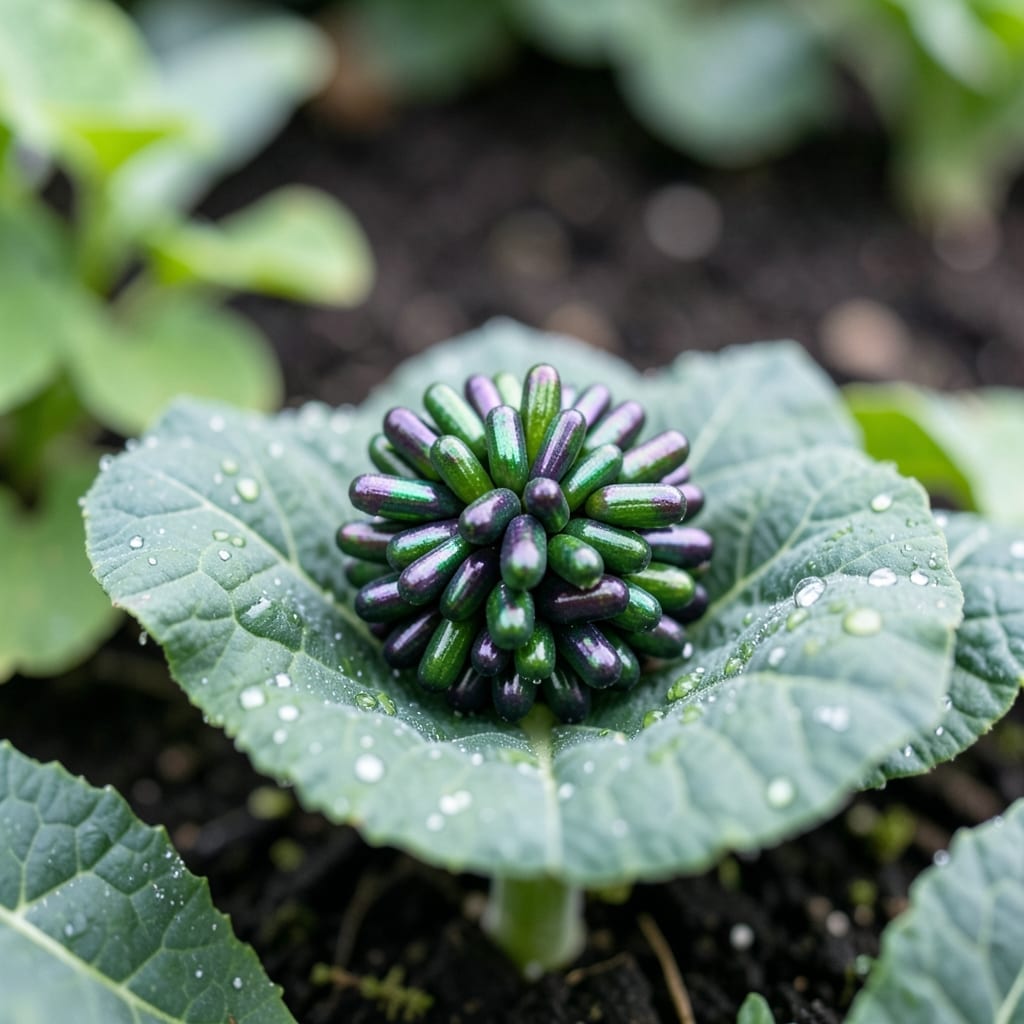
Here’s what’s actually happening when you spray Bt: the bacteria produces crystal proteins called Cry toxins during sporulation. These proteins dissolve in the alkaline gut of caterpillars, creating pores that disrupt cell function. The damage stops the cabbage worm from eating within 2-4 hours, leading to starvation and death within 1-3 days. 🔥
The specificity comes from molecular receptors. Cabbage worms have unique gut receptors that bind perfectly to Bt’s Cry proteins, like a key fitting a lock. Other insects, including bees and ladybugs, lack these receptors, making Bt harmless to them. This selectivity is why it’s approved for organic farming under USDA standards.
What most people don’t realize is that Bt must be ingested to work. Unlike contact pesticides, it doesn’t harm worms through touch alone. The caterpillar must consume treated leaves, which is why thorough coverage is crucial. Even better, resistance is rare because the mechanism targets fundamental gut biology shared by most caterpillar species. ✨
The bacteria produces different Cry protein varieties, with Bt kurstaki being the strain most effective against cabbage worms. Each strain targets specific pests – this is why you’ll see different Bt products for different garden invaders. The proteins break down quickly in sunlight and soil, leaving no lasting environmental impact.
This natural process mimics what occurs in nature. Bt is found naturally in soil worldwide, where it’s been controlling caterpillar populations for millennia. We’ve simply harnessed this existing biological control method for our gardens, creating a solution that’s as old as agriculture itself. 💫
Cabbage worms stop feeding within 2-4 hours of ingesting Bt. Death typically occurs within 1-3 days, depending on the worm’s size and environmental conditions. The bacteria must be eaten to be effective.
Yes! Bt targets only caterpillars with specific gut receptors. Bees, ladybugs, and other beneficial insects remain unharmed. It’s approved for organic farming because of this selectivity.
Reapply every 1-2 weeks or immediately after rain, as water can wash it away. In hot weather above 85°F, Bt breaks down faster, so more frequent applications may be needed.
Bt is non-toxic to humans and safe for all vegetables, including cabbage, broccoli, and kale. Just wash produce thoroughly before eating, as you would with any garden treatment.
Check your timing and coverage. Apply during active feeding periods (morning/evening) and ensure both sides of leaves are coated. If worms are large, they may take longer to die or may have already caused significant damage.