
Beautiful Plants For Your Interior
Beautiful Plants For Your Interior
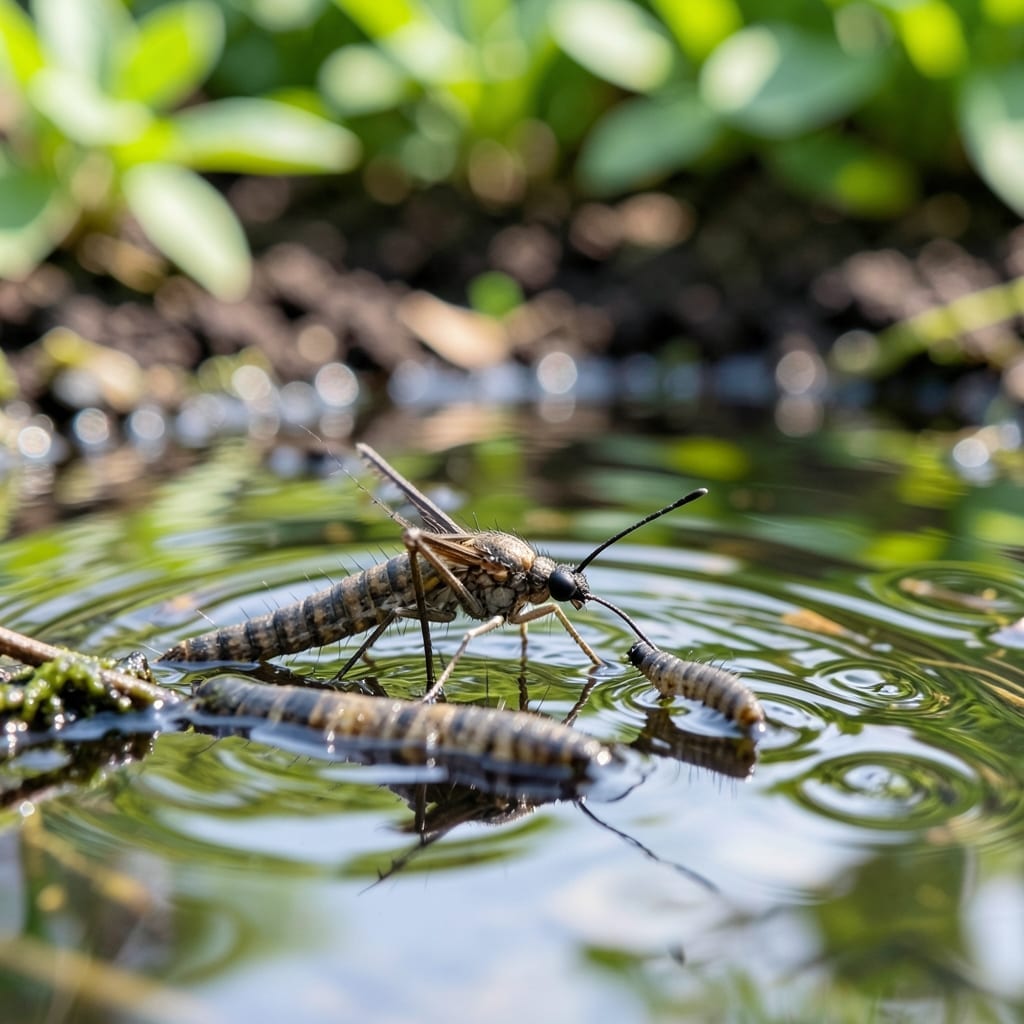
Standing water is a silent invitation. I learned this the hard way after a week of rain left my birdbath swarming with wrigglers. Baby mosquitoes in water aren’t just annoying—they’re the start of a full-blown infestation in 7-10 days.
Preventative larvicide stops the cycle before it begins. The solution is simpler than you think: a few drops of the right product turns any water source into a no-breed zone. No fancy equipment, no daily maintenance—just one application that keeps working for weeks.
You’ll notice the difference within 24 hours. The surface stays calm, the wrigglers disappear, and your yard becomes a no-fly zone. Best part? It’s safe for pets, plants, and wildlife when used as directed.
Works for birdbaths, gutters, plant saucers, or any spot that holds water for more than a few days. Let’s break the cycle for good.
Mosquitoes lay their eggs in water because it’s the ideal environment for their offspring to develop. Understanding why this happens helps you target the root of the problem. Here are the key reasons:
Female mosquitoes seek out stagnant or slow-moving water to lay their eggs because it provides a safe, nutrient-rich habitat. Still water lacks predators and offers the warmth and organic matter (like algae and bacteria) that mosquito larvae, or “wrigglers,” need to feed and grow. Even small amounts—such as in clogged gutters, plant saucers, or old tires—can become breeding grounds within days.
Mosquito eggs and larvae thrive in warm conditions, typically between 70–80°F (21–27°C). In these temperatures, eggs can hatch in as little as 24–48 hours, and larvae can mature into adults in just 7–10 days. Warmer climates or summer months exponentially increase their reproduction rates, making standing water a ticking time bomb for infestations.
Decaying leaves, grass clippings, and other organic material in water serve as a food source for larvae. These nutrients support rapid growth, allowing them to molt through four stages (instars) before becoming pupae. The more organic matter present, the faster and healthier the larvae develop, leading to larger mosquito populations.
Many mosquito breeding sites are unintentionally created by humans. Poorly maintained pools, uncovered water storage containers, and discarded items (like bottles or buckets) collect rainwater, offering perfect conditions for eggs to be laid. Even a bottle cap of water can hold enough for dozens of larvae to emerge.
Stopping baby mosquitoes in standing water starts with removing their breeding grounds. Here’s how to tackle each common cause with simple, effective fixes:
Fix: Empty and scrub buckets, flowerpot saucers, or old tires weekly. Use a brush to remove eggs clinging to sides. For larger containers like rain barrels, cover them tightly with a mesh screen to block access.
Prevention Tip: 💡 Store containers upside down when not in use to avoid water collection.
Fix: Clear debris from gutters, downspouts, and drains to ensure proper drainage. Use a plumber’s snake or a high-pressure hose to flush out organic buildup where larvae thrive.
Prevention Tip: 🎯 Install gutter guards to reduce debris accumulation and improve water flow.
Fix: Introduce natural predators like gambusia fish or dragonfly larvae, which feed on mosquito larvae. For a chemical-free approach, add a small fountain pump to keep water moving—mosquitoes avoid flowing water.
Prevention Tip: ✨ Treat ponds with Bti dunks (bacterial larvicide) every 30 days to kill larvae without harming other wildlife.
Fix: Shock the water with chlorine to kill existing larvae, then maintain proper chemical balance. Cover pools when not in use to prevent new infestations.
Prevention Tip: 🌡️ Run the pool pump daily and check chlorine levels weekly to deter mosquitoes.
For all outdoor water sources, inspect your property weekly—even small amounts of water (like in bottle caps or plant leaves) can become breeding sites. Consistency is key to keeping your space mosquito-free!
Mosquito larvae can mature into adults in just 7-10 days under warm conditions. In ideal temperatures of 70–80°F, eggs hatch in as little as 24–48 hours.
Even a bottle cap of water can support dozens of larvae. Any stagnant water, no matter how small, can become a breeding site.
Yes! Introduce gambusia fish or dragonfly larvae to ponds, or use Bti dunks every 30 days. These methods kill larvae without harming other wildlife.
Inspect your property weekly for any stagnant water. Consistency is key to preventing new infestations before they start.