
Beautiful Plants For Your Interior
Beautiful Plants For Your Interior
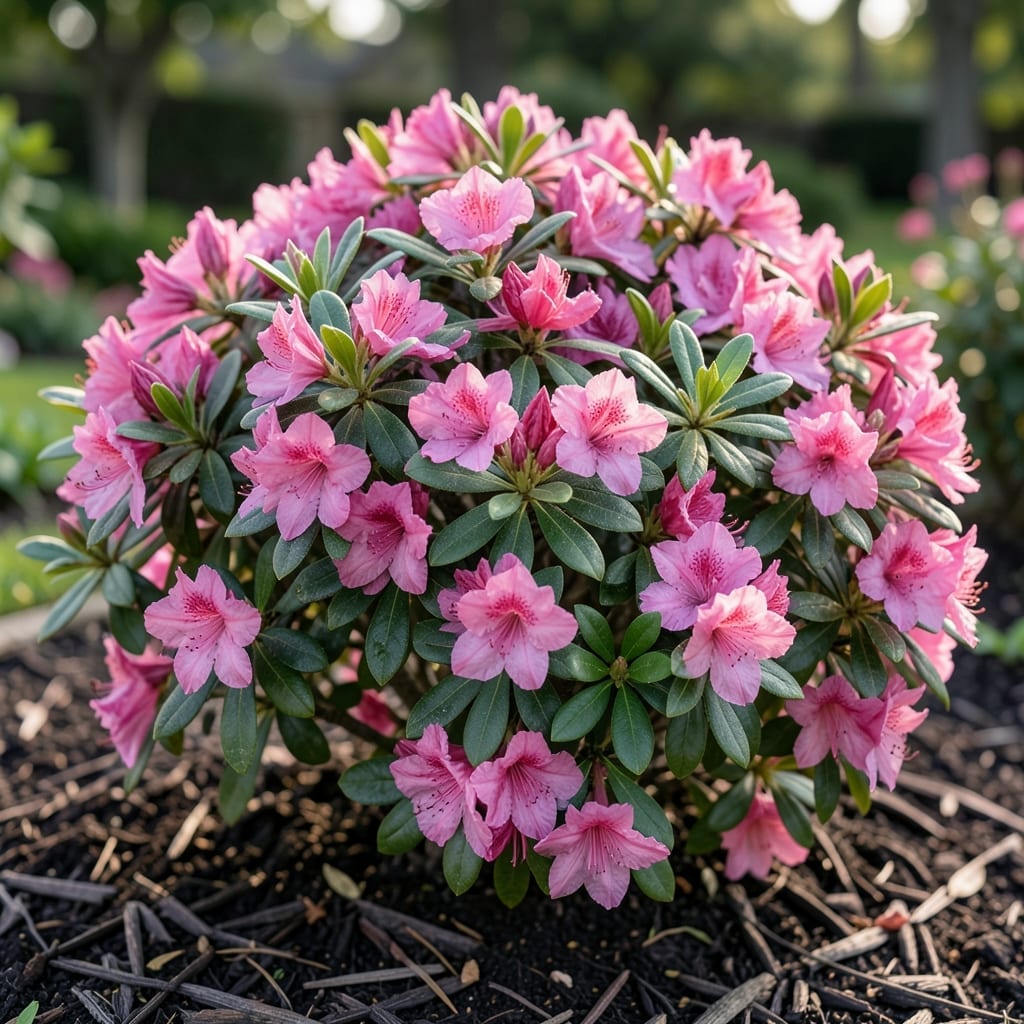
Azaleas blooming in fall usually results from stress, improper pruning, or unseasonal temperature shifts. Some reblooming varieties are bred to flower again in autumn under ideal conditions.
I’ve noticed this often happens when plants experience drought or sudden temperature swings, triggering a survival response. 🌟 Reblooming cultivars like ‘Encore’ are specifically developed to produce a second flush of flowers, but even these need consistent care to thrive. Paying attention to seasonal changes and plant health can prevent unwanted stress blooms.
💡 In This Article
Azaleas typically bloom in spring, but unexpected fall flowers often signal a stress response. When plants experience drought, root damage, or sudden temperature drops below 50°F, they may produce emergency blooms as a survival mechanism. This is the plant’s way of ensuring reproduction before potential death, triggered by hormonal shifts in gibberellins and cytokinins. 🌟
Temperature fluctuations play a huge role. A late-summer heatwave followed by a 20°F drop can confuse the plant’s internal clock. Some varieties like ‘Encore’ azaleas are genetically programmed for reblooming, with breeders selecting for traits that allow a second flush when days shorten and nights cool to 55-60°F.
These cultivars often bloom again in autumn under ideal conditions. ✨
Improper pruning can also trigger fall blooms. Azaleas set next year’s buds in late summer. Pruning after July removes these developing buds, forcing the plant to produce new growth and unexpected flowers. This disrupts the natural cycle and may weaken the plant over time. 🔥
Soil conditions contribute too. Poor drainage or nutrient deficiencies can stress the plant. Azaleas prefer acidic soil with a pH of 4.5-6.0. When pH rises above 6.5, iron and other micronutrients become unavailable, leading to chlorosis and stress-induced blooming. Regular soil testing helps maintain optimal conditions. 💫
Light exposure matters as well. Azaleas in partial shade may bloom erratically if suddenly exposed to full sun. This abrupt change can trigger a stress response. Conversely, too little light may prevent proper bud formation, leading to sparse or untimely blooms. Consistency in light exposure helps maintain the plant’s natural rhythm. 🌟
Stress is the most common trigger, including drought, root damage, or sudden temperature drops below 50°F. Some reblooming varieties like ‘Encore’ are bred to flower again in autumn under ideal conditions.
Yes, pruning after July removes next year’s buds, forcing new growth and unexpected flowers. This disrupts the natural cycle and may weaken the plant over time.
Maintain consistent watering, avoid late-summer pruning, and protect from extreme temperature swings. Test soil pH (4.5-6.0) and amend if needed to prevent nutrient deficiencies.
For reblooming varieties, use a light acid-forming fertilizer through early fall. For standard azaleas, skip fertilizer until spring to avoid stimulating new growth before winter.