
Beautiful Plants For Your Interior
Beautiful Plants For Your Interior
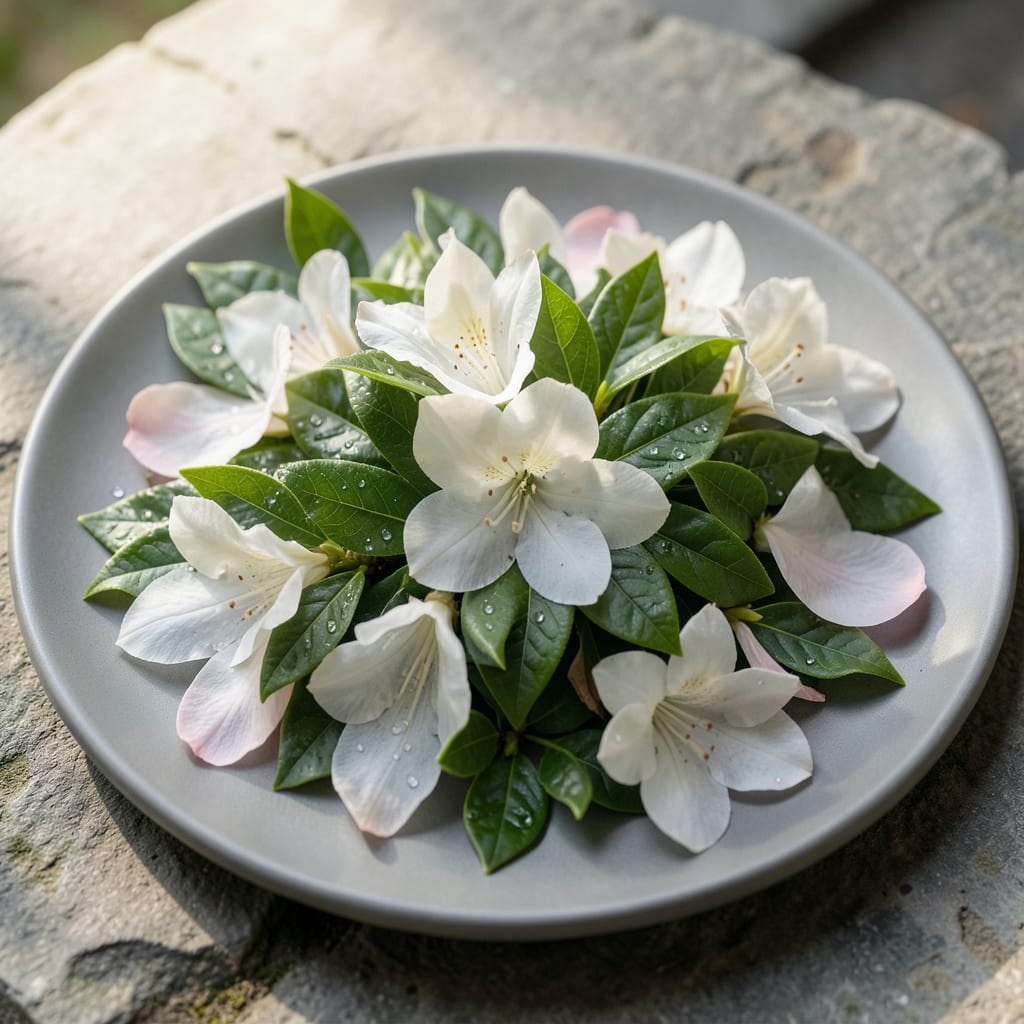
White leaves on azaleas always signal trouble. I’ve seen this happen when powdery mildew strikes, pests move in, or the plants get stressed by too much sun or poor soil conditions.
First, check the undersides of leaves for webbing or bugs. If it’s fungal, you’ll notice that classic white powder. Environmental stress shows up as bleached spots, often after a sudden temperature change or overwatering.
The good news is most cases are fixable with organic methods. A neem oil spray handles both pests and fungi, while adjusting watering and light exposure often solves environmental issues.
You’ll start seeing improvement within 1-2 weeks of treatment. The key is catching it early before the problem spreads to the rest of the plant.
Azalea leaves turning white can indicate several underlying issues, each with distinct causes and solutions. Understanding these triggers helps you address the problem effectively.
Powdery mildew (Erysiphe azaleae) is a fungal disease that coats leaves with a white, powdery substance. This pathogen thrives in high humidity (60-80%) and poor air circulation, especially in shaded areas. Spores germinate on leaf surfaces, disrupting chlorophyll production and turning foliage white or grayish. Overhead watering worsens the spread.
A lack of iron, magnesium, or nitrogen can cause chlorosis (yellowing) that progresses to white patches. Azaleas require acidic soil (pH 4.5–6.0); alkaline conditions lock out these nutrients. Iron deficiency often starts as interveinal yellowing before leaves turn pale or white. Test soil pH and amend with sulfur or chelated iron if needed.
Excessive direct sunlight or sudden temperature spikes can bleach azalea leaves, turning them white or translucent. This typically affects the uppermost leaves first. Azaleas prefer dappled shade; intense UV rays damage chloroplasts, halting photosynthesis. Mulch and afternoon shade can prevent this.
Soggy roots from overwatering or compacted soil restrict oxygen uptake, leading to root rot. As roots die, they fail to deliver nutrients and water, causing leaves to turn white, yellow, or wilt. Ensure pots have drainage holes and use well-draining, acidic soil mixes with perlite or pine bark.
Azalea lace bugs (Stephanitis pyrioides) and spider mites pierce leaf cells, sucking out sap and leaving stipled white or yellow speckles. Severe infestations cause widespread discoloration. Check leaf undersides for tiny bugs or webbing. Neem oil or insecticidal soap can control early outbreaks.
When your azalea’s leaves start turning white, the fix depends on the root cause. Here’s a targeted approach to restore their vibrant green:
Remove affected leaves and prune crowded branches to boost air circulation. Spray with a mix of 1 tablespoon baking soda, 1 teaspoon dish soap, and 1 gallon of water every 7–10 days until the issue clears. Prevention tip 💡: Space plants 3–4 feet apart and water at the base to keep foliage dry.
Move potted azaleas to a spot with dappled shade or use shade cloth for in-ground plants. If leaves are already bleached, trim them to redirect energy to healthy growth. Prevention tip ✨: Gradually acclimate azaleas to brighter light over 2–3 weeks to avoid shock.
Test your soil (kits are cheap and easy!). For iron or magnesium deficiency, apply chelated iron or Epsom salt (1 tablespoon per gallon of water) as a foliar spray. Use an acid-loving plant fertilizer (pH 4.5–6.0) monthly in growing season. Prevention tip 🎯: Mulch with pine needles to maintain acidic soil naturally.
If over-fertilization or herbicide drift is the culprit, leach the soil by running water through the root zone for 10–15 minutes. Avoid all chemicals until the plant recovers. Prevention tip 🌱: Always follow label instructions and apply treatments on calm days to prevent drift.
Act quickly—the sooner you address the issue, the faster your azalea will bounce back to its lush, colorful self!
With proper care, you should see improvement within 1-2 weeks. New growth will emerge in healthy green, while damaged leaves may not fully recover.
No, azaleas need acidic soil (pH 4.5-6.0). Regular garden soil is often too alkaline. Use a mix designed for acid-loving plants or amend with peat moss.
This usually indicates sun scorch or heat stress. Upper leaves receive the most direct sunlight and are most vulnerable to bleaching.
Yes, neem oil is safe for all azaleas when used as directed. Apply in the evening and avoid spraying in direct sunlight or extreme heat.
