
Beautiful Plants For Your Interior
Beautiful Plants For Your Interior
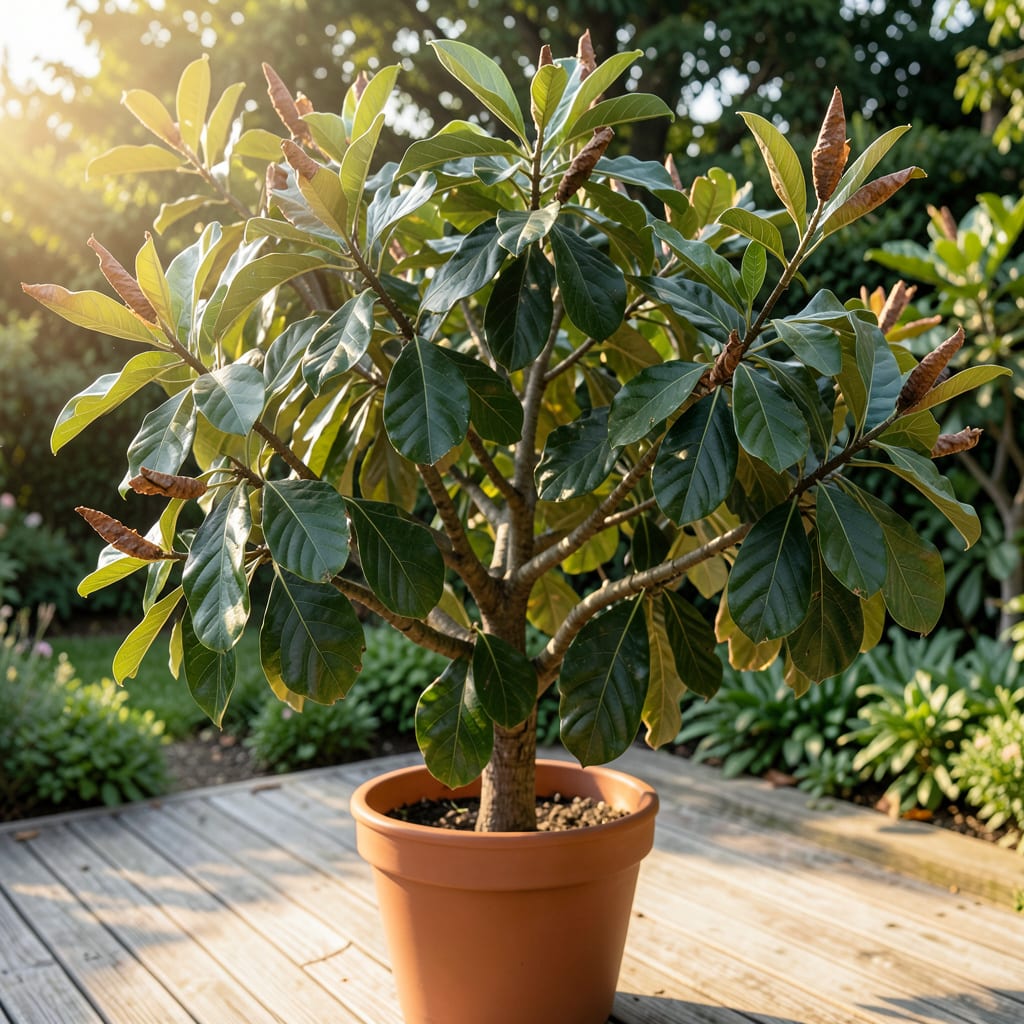
Brown leaf tips on your avocado tree signal something’s off. I’ve seen this happen with both potted and in-ground trees, and it’s usually fixable once you pinpoint the cause.
Overwatering, low humidity, or salt buildup in soil are the top culprits. Each leaves a distinct pattern—soft brown edges mean too much water, while crispy tips often point to dry air or fertilizer burn.
With the right adjustments, your tree can bounce back in 2-4 weeks. Start by checking the soil moisture and flushing the pot if salts are suspected.
The goal is vibrant green leaves and steady growth. Small tweaks now prevent bigger problems later.
Brown leaf tips on your avocado tree are often a sign of stress, and several factors can trigger this unsightly issue. Below are the most common causes, explained in simple yet scientific terms.
Avocado trees thrive in humid environments (60-80% relative humidity). When the air is too dry, especially indoors or in arid climates, the leaves lose moisture faster than the roots can absorb it. This leads to transpiration stress, where the leaf tips dry out and turn brown. A hygrometer can help monitor humidity levels.
Inconsistent watering disrupts the tree’s osmotic balance. Underwatering causes the soil to dry out, restricting water uptake and leading to tip burn. Conversely, overwatering suffocates the roots, preventing oxygen absorption and promoting root rot, which also manifests as brown tips. Aim for moist but well-draining soil—water when the top 1-2 inches of soil are dry.
Excess salts from fertilizers, tap water, or soil amendments accumulate in the soil, increasing its electrical conductivity (EC). This draws water out of the roots (a process called reverse osmosis), causing dehydration and tip burn. Flush the soil with distilled water every few months to leach out salts.
A lack of magnesium, calcium, or potassium can lead to necrotic (dead) tissue at the leaf tips. Conversely, over-fertilization (especially with nitrogen) can cause salt burn. Test your soil’s pH (ideal: 6.0–6.5) and adjust with organic matter or targeted supplements like Epsom salt (magnesium sulfate).
Avocado trees are highly sensitive to fluoride and chlorine, common in municipal tap water. These chemicals accumulate in the leaf margins, causing tip burn or marginal necrosis. Use filtered, rainwater, or distilled water for irrigation to avoid this issue.
Tackle those unsightly brown tips on your avocado tree with these targeted fixes. Each solution addresses a specific cause, so start with the issue that matches your plant’s symptoms.
Fix: Check the soil 2 inches down—if it’s bone-dry, water deeply until it drains from the bottom. If it’s soggy, let it dry out before watering again. Ensure your pot has drainage holes to prevent root rot.
Prevent: Water when the top inch of soil feels dry. Use a moisture meter for precision. 🌡️
Fix: Mist the leaves daily or place a humidifier nearby. Grouping plants together also boosts humidity.
Prevent: Keep your tree away from drafts, AC vents, or heaters that dry the air.
Fix: Flush the soil with distilled or rainwater to leach out excess salts. If using tap water, let it sit out for 24 hours to evaporate chlorine.
Prevent: Use filtered or collected rainwater for sensitive plants. ✨
Fix: Apply a balanced fertilizer (like 10-10-10) or a citrus-specific blend. Yellowing leaves? Add magnesium or zinc supplements.
Prevent: Feed lightly every 2–3 months during growing season. Over-fertilizing can cause burn too!
Fix: Repot into a larger container with fresh, well-draining soil (mix in perlite or sand). Trim any circling roots to encourage new growth.
Prevent: Refresh the soil every 1–2 years, even if you’re not upsizing the pot. 🎯
Start with the most likely culprit, adjust your care, and watch those leaf tips turn green again!
With proper care adjustments, new growth should appear in 2-4 weeks. Existing brown tips won’t turn green again, but new leaves will emerge healthy. Be patient—consistent care is key.
Yes, you can carefully snip off the brown portions with clean scissors. Follow the natural leaf shape to maintain appearance. This won’t harm the tree and improves its looks.
Not necessarily. Brown tips often indicate stress, not death. If the rest of the tree has green leaves and new growth, it’s likely recoverable with the right adjustments.
Yes, pause fertilizing immediately. Over-fertilization is a common cause of tip burn. Flush the soil with water and wait 4-6 weeks before resuming with a diluted solution.
