
Beautiful Plants For Your Interior
Beautiful Plants For Your Interior
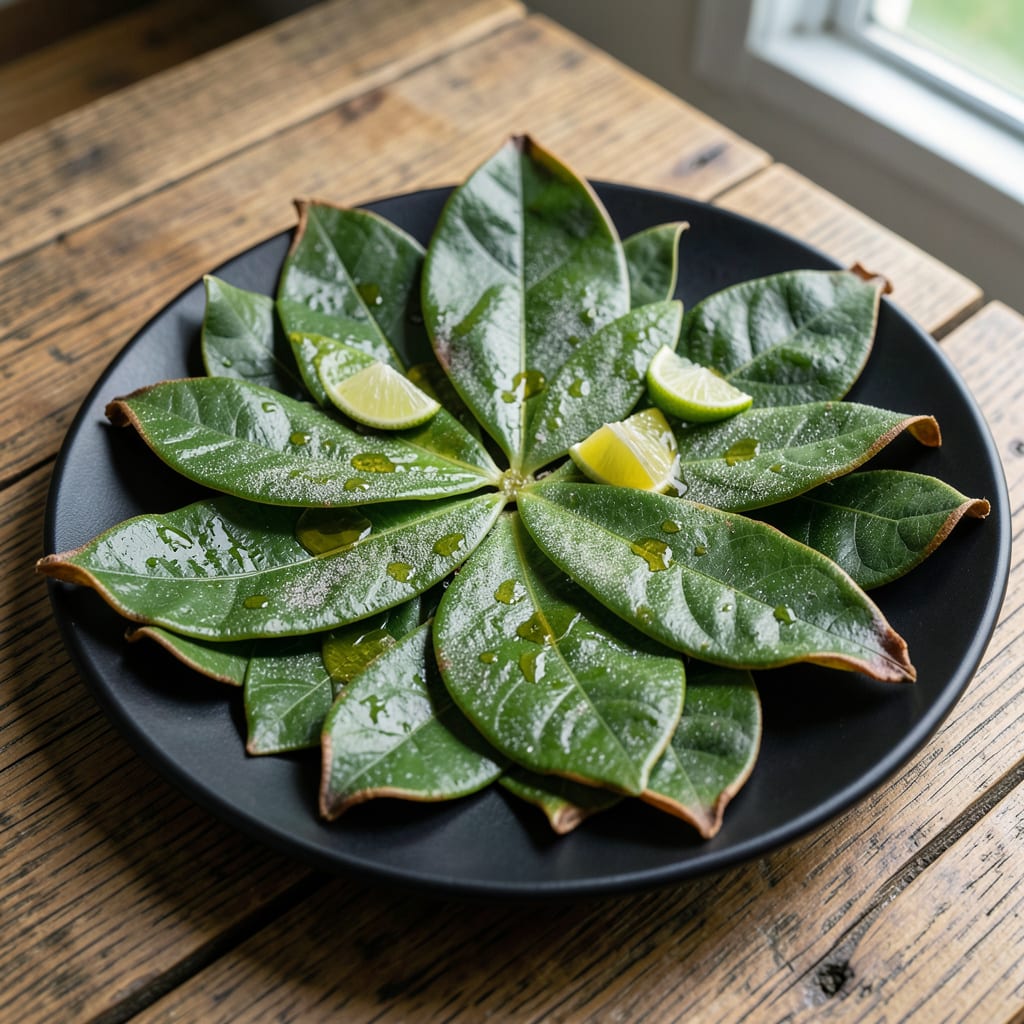
Those crispy brown tips on your avocado leaves aren’t just ugly—they’re a cry for help. I’ve seen this happen to dozens of houseplants, and the fix is usually simpler than you’d think.
Most cases come down to 3 things: inconsistent watering, low humidity, or a buildup of salts in the soil. Overwatering and underwatering can both cause the same problem, which is why checking the soil first is key.
Once you identify the issue, the solutions are straightforward. A quick flush of the soil, a humidity tray, or adjusting your watering schedule can bring those leaves back to their vibrant green in 2-3 weeks.
Prevention is even easier—just pay attention to your plant’s environment and react at the first sign of trouble. Here’s how to diagnose and fix it for good.
Avocado leaves developing brown tips often signal stress or imbalance in their environment or care. Here are the most common causes, explained with actionable insights:
Avocados thrive in 40–60% humidity. When indoor air is too dry (common in heated or air-conditioned spaces), leaf edges lose moisture faster than roots can replenish it, causing necrosis—the browning of tip cells. This is a classic sign of transpiration stress.
Both underwatering and overwatering disrupt nutrient uptake. Underwatering leads to dehydration, while overwatering suffocates roots, preventing them from absorbing water and minerals like magnesium and potassium. Check soil moisture 1–2 inches deep—it should feel slightly damp, not soggy or bone-dry.
Tap water with high chlorine, fluoride, or salts can accumulate in soil, causing leaf tip burn. Similarly, over-fertilizing (especially with synthetic products) increases soil salinity, damaging delicate root hairs. Flush the soil with distilled water every 2–3 months to leach out excess salts.
Brown tips may indicate a lack of potassium (essential for water regulation) or calcium (vital for cell wall strength). Avocados are heavy feeders; use a balanced, organic fertilizer (e.g., 8-3-6 NPK) and supplement with compost tea for micronutrients.
Pro tip 💡: Yellowing along leaf edges often pairs with potassium deficiency, while distorted new growth suggests calcium issues.
Here’s how to nurse your avocado plant back to health, tailored to each underlying cause:
Group your avocado with other houseplants to create a microclimate, or place a pebble tray with water beneath the pot. For a quick fix, mist the leaves daily with room-temperature water. Prevention tip: 💡 Use a humidifier in dry climates or during winter when indoor air is parched.
Check soil moisture by sticking your finger 2 inches deep—if it’s dry, water thoroughly until it drains from the bottom. Use a pot with drainage holes to avoid soggy roots. Prevention tip: 💡 Water when the top 1-2 inches of soil feel dry, but don’t let it bone-dry between sessions.
Stop watering immediately and let the soil dry out. Repot in fresh, well-draining mix (add perlite or sand) if root rot is suspected. Trim any black, mushy roots with sterilized scissors. Prevention tip: 💡 Water only when the soil’s top layer is dry, and always empty the saucer after 10 minutes.
Run distilled or rainwater through the pot for 5–10 minutes to leach out excess salts. Repeat every 2–3 months if using tap water. Prevention tip: 💡 Use filtered or bottled water for sensitive plants like avocados.
Apply a balanced, water-soluble fertilizer (10-10-10) at half-strength every 4–6 weeks during growing season. Avoid over-fertilizing, which can burn roots. Prevention tip: 💡 Use compost tea or organic options for a slower, safer nutrient boost.
Wipe leaves with a soapy water solution (1 tsp mild soap per liter of water) to remove spider mites or aphids. For stubborn infestations, use neem oil (mix 1 tbsp with 1 gallon of water). Prevention tip: 💡 Inspect new plants before bringing them near your avocado, and keep foliage clean.
Water when the top 1-2 inches of soil feel dry, typically every 7-10 days. Always check moisture first—overwatering is just as harmful as underwatering.
Yes, high chlorine, fluoride, or salt levels in tap water can build up in soil. Use filtered or distilled water, and flush the soil every 2-3 months to prevent burn.
Avocados thrive in 40-60% humidity. Below this, leaf tips dry out. Use a pebble tray or humidifier to maintain ideal levels, especially in dry climates.
Use a balanced fertilizer like 10-10-10 at half-strength every 4-6 weeks. For organic options, try compost tea for a gentle nutrient boost.
