
Beautiful Plants For Your Interior
Beautiful Plants For Your Interior
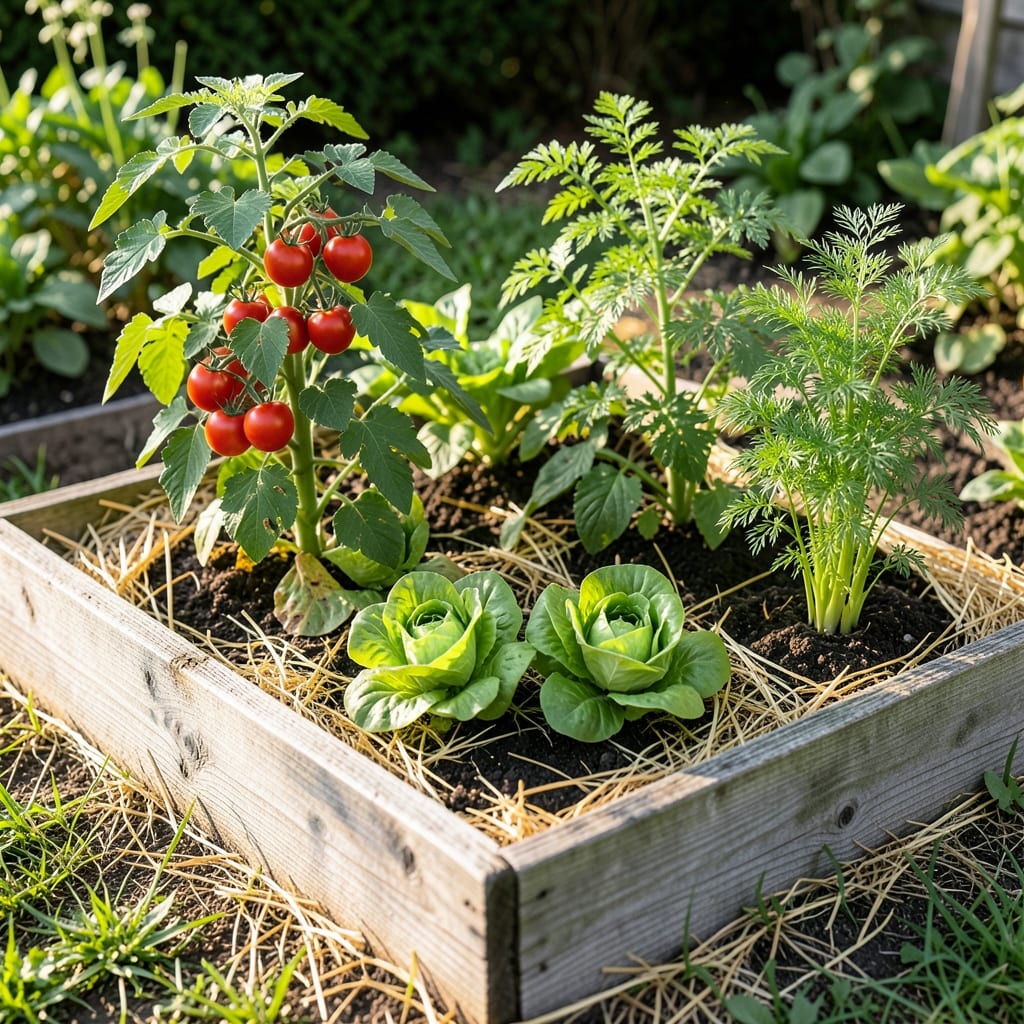
The average raised bed size is typically 4 feet wide by 8 feet long, with a height of 6 to 12 inches. This allows easy access from all sides while providing ample growing space for most vegetables and herbs.
I chose this standard dimension because it lets most gardeners reach the center without stepping into the bed, protecting soil structure. 6 to 12 inches of depth is ideal for root development in most common crops, from leafy greens to root vegetables. Plus, this size fits neatly into typical lumber lengths, making construction simpler and more cost-effective. ✨
💡 In This Article
The 4-foot width ensures you can reach the center from either side without stepping in. With an average arm span of 2.5 feet, this dimension lets most adults comfortably tend plants without compacting soil, which preserves root aeration and drainage. 🔥
An 8-foot length aligns perfectly with standard lumber sizes, like 8-foot 2×6 or 2×8 boards, minimizing waste and cost. It also creates efficient planting rows—ideal for crops like tomatoes (24-inch spacing) or lettuce (6-12 inch spacing), fitting multiple rows per bed.
The 6 to 12-inch height balances soil volume for root growth with manageability. Shallower beds (6 inches) work for leafy greens, while deeper ones (12 inches) accommodate root vegetables like carrots or beets, which need 8-10 inches of loose soil. ✨
This setup also optimizes water distribution. A 4×8-foot bed with 6-12 inches of soil holds approximately 1.5 to 3 cubic yards of mix, retaining moisture evenly while preventing waterlogging—a common issue in wider or shallower designs.
Ergonomics play a role too. The height reduces bending by 30-40% compared to ground-level gardening, easing strain on your back and knees. It’s why this dimension is often recommended by horticultural therapists for accessible gardening. 🌟
A 2×2-foot bed with 6-inch height is the smallest practical option. It works well for herbs or leafy greens in tight spaces like balconies. Any smaller makes planting and maintenance difficult.
Yes, deeper beds up to 18 inches are great for root vegetables like carrots or potatoes. However, fill the bottom with logs or branches to save on soil costs while maintaining drainage.
Leave at least 2 feet between beds for easy access. This prevents soil compaction and allows room for wheelbarrows or gardening tools. Wider paths may be needed for wheelchair accessibility.
For beds over 12 inches tall, use sturdy materials like cedar, composite lumber, or cinder blocks. These withstand soil pressure and last longer than thinner woods. Avoid treated lumber for edible gardens.