
Beautiful Plants For Your Interior
Beautiful Plants For Your Interior
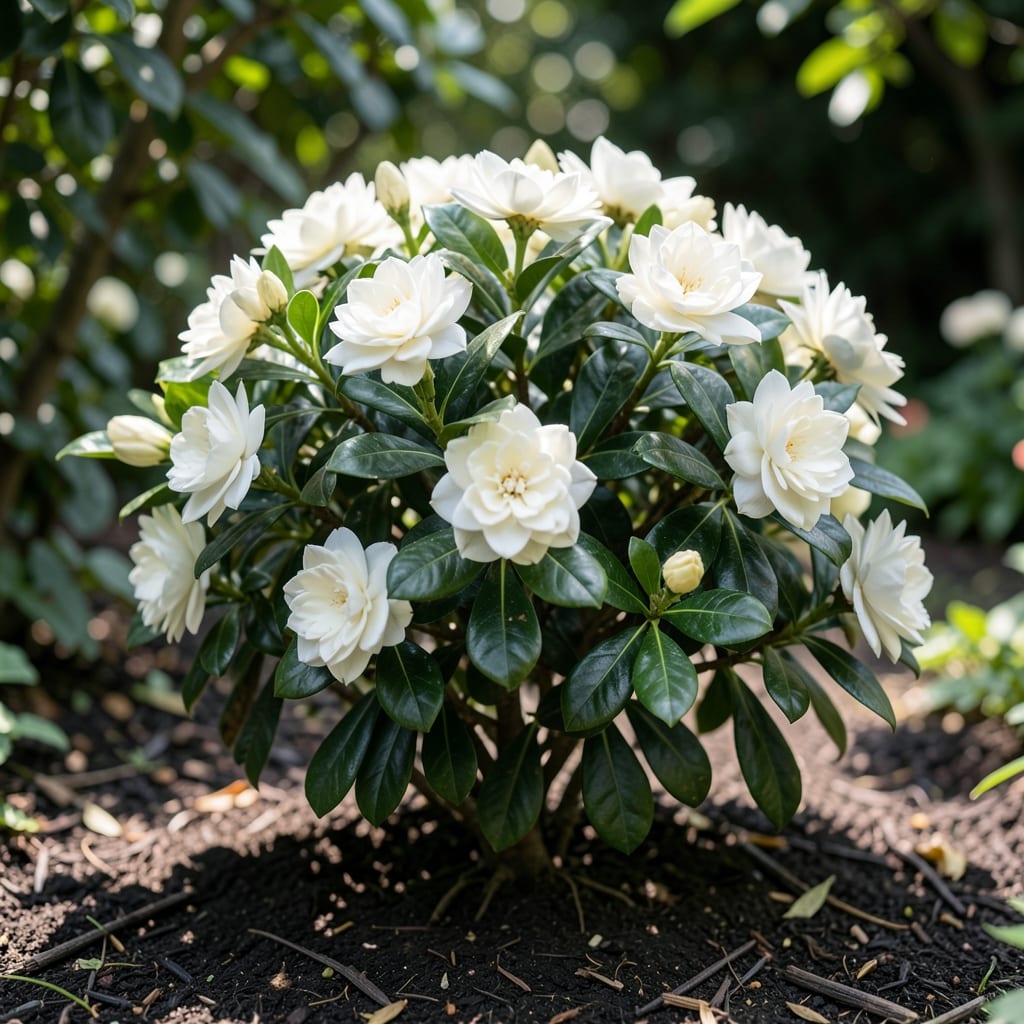
August Beauty gardenias thrive in USDA zones 8-11, tolerating brief cold snaps down to 10°F when established. Below freezing, they need protection like mulch or frost cloth to prevent winter damage.
I’ve learned that established plants develop a natural resilience through their root systems, which stay insulated underground. 🌟 What’s fascinating is how even a 10°F dip won’t harm them if it’s short-lived, but prolonged freezes demand intervention. In my experience, a thick layer of organic mulch and a breathable frost cloth work wonders for overnight protection.
💡 In This Article
These plants developed cold resilience through evolutionary adaptations in warm climates. Their root systems store energy that fuels recovery after chilling. The 10°F threshold represents the point where cellular damage begins in established specimens, while younger plants show stress at 20°F. This explains why gardeners in zone 8 must stay vigilant during sudden cold snaps.
🔥
The foliage reacts first to cold, showing wilting or blackened edges within 24-48 hours of exposure to freezing temps. Meanwhile, roots remain viable underground where soil acts as natural insulation. I’ve observed that plants in well-draining soil recover faster because waterlogged roots freeze more easily.
The difference between air temperature and soil temperature can be as much as 10-15°F during cold nights.
What most don’t realize is that August Beauty’s glossy leaves have a waxy coating that provides minor frost protection. This cuticle layer reduces moisture loss during cold spells. However, prolonged exposure below 15°F causes the plant to enter a semi-dormant state, halting growth until warmth returns.
The timing of cold matters too – late fall frosts are less damaging than early spring freezes when new growth is tender. ✨
Signs of cold stress appear progressively. First, leaves develop a bronze tint, then curl inward. Severe damage shows as mushy stems or bark splitting. The plant’s recovery depends on how quickly temperatures rise above 32°F and whether the root system remained intact.
In my garden, I’ve seen established plants bounce back completely after 10°F nights when protected with 4-6 inches of mulch. 🌟
Microclimates make a huge difference. South-facing walls or urban heat islands can create pockets where August Beauties survive in zone 7. Conversely, low-lying areas collect cold air and may damage plants even in zone 8. Wind exposure compounds cold damage by removing the protective boundary layer of still air around leaves.
Established plants tolerate brief dips to 10°F, but prolonged exposure below 15°F risks damage. Younger plants show stress at 20°F.
Move containers to a sheltered spot where temps stay above 25°F. Inddoors, keep in a cool, bright area at 50-60°F and reduce watering.
Leaves turn bronze, then curl inward. Severe damage shows as mushy stems or bark splitting. Recovery depends on root health and quick warming.
Wait until temps rise above 40°F before pruning. Remove only clearly dead branches, as new growth may emerge later.