
Beautiful Plants For Your Interior
Beautiful Plants For Your Interior
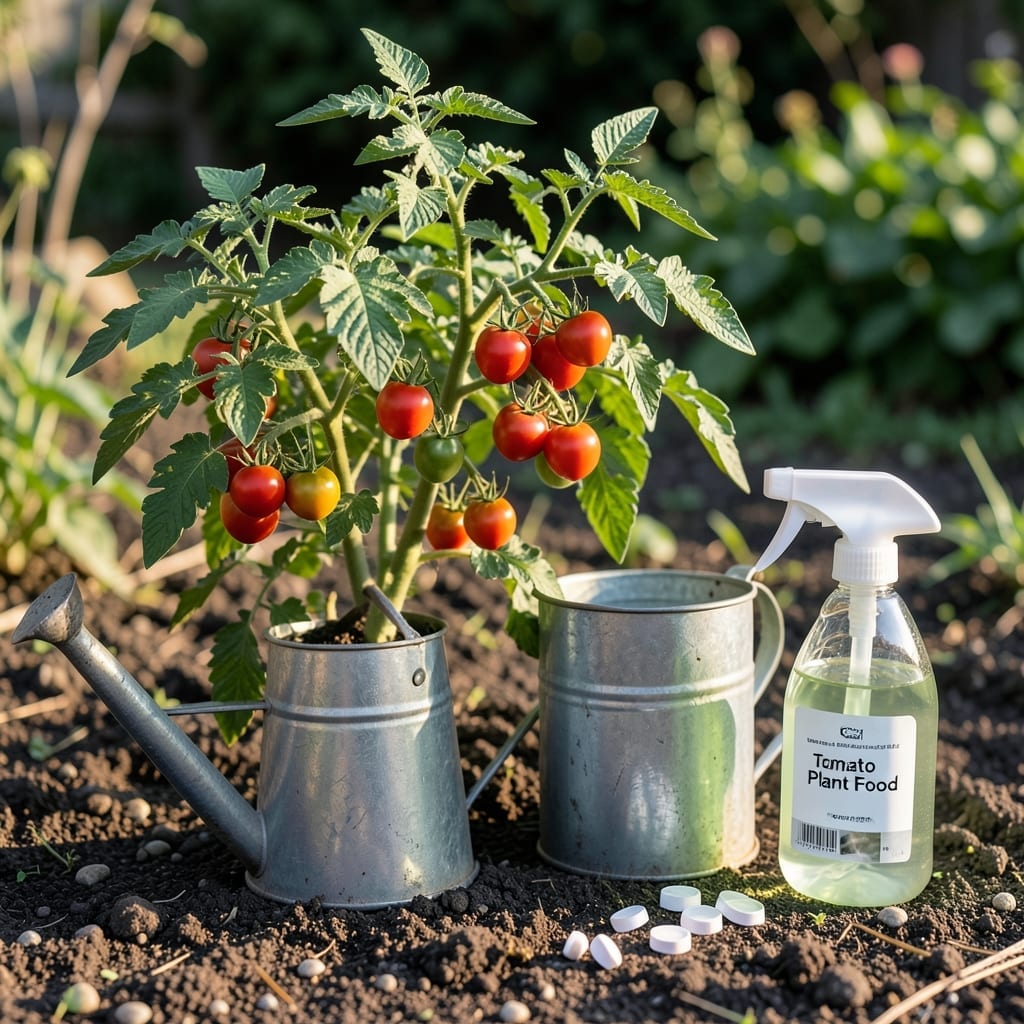
Aspirin water can boost plant health by triggering natural defenses against disease. Mix one crushed tablet in a gallon of water and spray leaves weekly for best results.
I discovered that salicylic acid—the active ingredient in aspirin—mimics a plant’s own stress hormone, helping it fend off pathogens and environmental stress. 🌟 This method works particularly well for tomatoes and peppers, which are prone to fungal issues.
What’s fascinating is that this approach also accelerates healing after pruning or transplanting, giving plants a noticeable growth boost. ✨
💡 In This Article
Salicylic acid, the key compound in aspirin, acts as a plant hormone that triggers systemic acquired resistance. This natural defense mechanism primes the entire plant to produce protective proteins against pathogens. Think of it as a plant’s version of an immune system boost, similar to how vaccines work in humans. 🔥
When plants absorb salicylic acid through leaves or roots, they begin producing pathogenesis-related proteins within 24-48 hours. These proteins create barriers that prevent fungal spores from germinating and bacteria from spreading. Studies show treated plants can reduce powdery mildew infections by up to 60% compared to untreated ones.
The stress response goes beyond disease resistance. Salicylic acid helps plants regulate stomatal closure during drought conditions, reducing water loss by 15-20%. This dual action makes aspirin water particularly valuable for gardeners facing both pathogen pressure and water restrictions. The effects last about 7-10 days after application.
What’s remarkable is how small amounts create big changes. Just 250-500 mg of salicylic acid per gallon (about one regular aspirin tablet) can activate these defense pathways without harming the plant. This concentration mirrors the natural salicylic acid levels found in willow trees, where the compound was first discovered. ✨
Research from the University of Rhode Island found that tomatoes treated with aspirin solutions showed increased lycopene content by 12%. This suggests the treatment doesn’t just protect plants—it may also enhance their nutritional value. The same study noted improved resistance to early blight, a common tomato disease.
For best results, apply in the early morning when stomata are most active. Avoid using on very young seedlings or during extreme heat, as the stress response could temporarily slow growth. The treatment works especially well as a preventive measure rather than a cure for existing infections. 💫
Apply aspirin water as a foliar spray once every 2-3 weeks during the growing season. For disease prevention, increase to weekly if plants are under stress or in humid conditions.
Only use plain, uncoated aspirin tablets (325mg). Avoid enteric-coated, time-release, or pain relief blends with added ingredients. These won’t dissolve properly and may harm plants.
Use a spray bottle for foliar application, covering both leaf surfaces. For soil treatment, water at the base until moist. Always apply in the early morning for best absorption.
Most plants benefit, but avoid using on herbs like basil or cilantro as it may alter their flavor. Tomatoes, peppers, and roses show the best results. Always test on a few leaves first.