
Beautiful Plants For Your Interior
Beautiful Plants For Your Interior
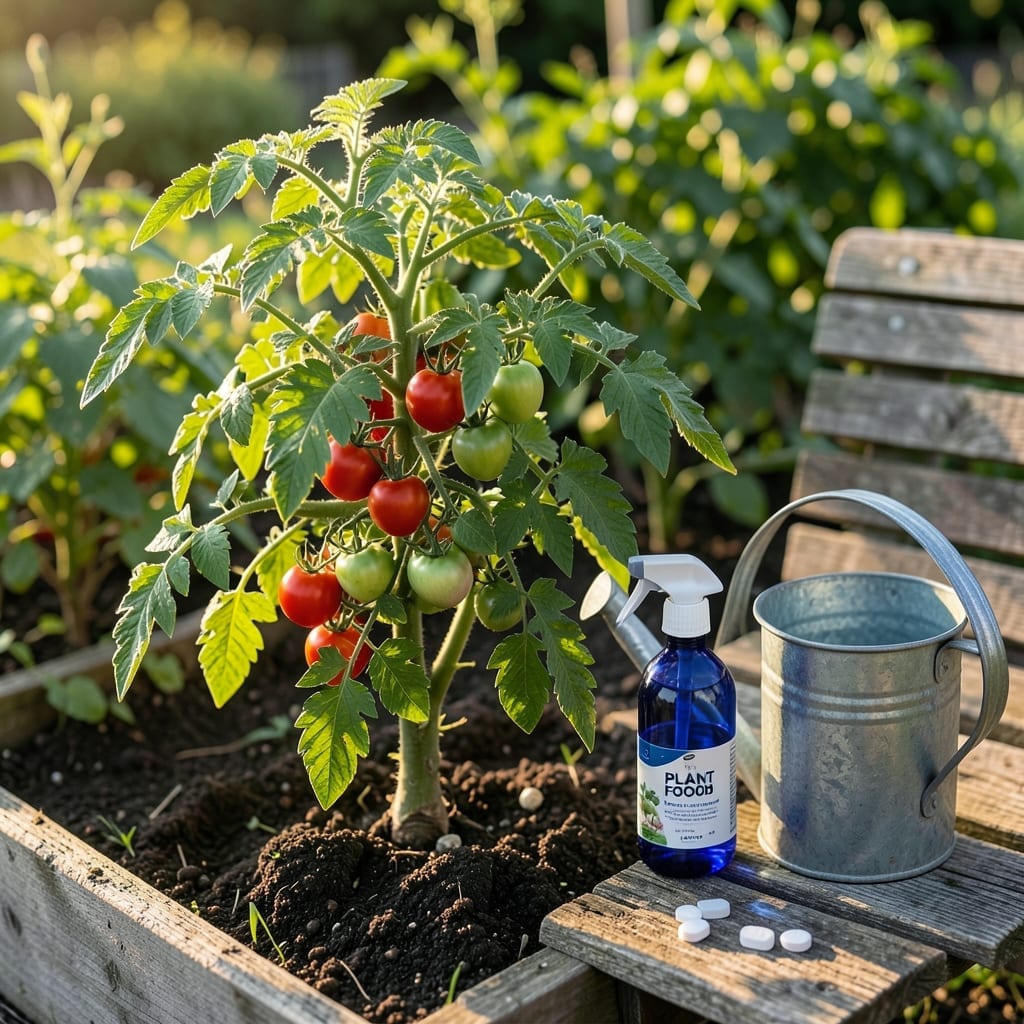
Crushed aspirin dissolved in water can boost plant health by providing salicylic acid, which strengthens immunity, reduces stress, and may deter pests. Use sparingly to avoid over-application.
I’ve used this method with great results on tomatoes and roses, which often show visible improvements in resistance to common diseases. 🌟 The salicylic acid mimics a plant’s natural defense system, triggering stronger cellular responses without harsh chemicals. Just remember that a little goes a long way—too much can disrupt soil pH or harm beneficial microbes.
💡 In This Article
Salicylic acid, the active compound in aspirin, acts as a plant hormone that triggers systemic acquired resistance. This means when you apply it, plants produce proteins that fight off pathogens like fungi and bacteria. It’s similar to how our immune system creates antibodies after exposure to a virus. 🔥
Plants naturally produce salicylic acid when stressed by drought, injury, or disease. By adding a small dose (typically 1 aspirin per gallon of water), you’re giving them a head start. Studies show treated plants often recover faster from environmental stress and maintain greener foliage during heatwaves or cold snaps.
This compound also regulates growth by influencing cell division and elongation. In my garden, tomato plants treated with aspirin solution developed thicker stems and more robust root systems. The effect is most noticeable in young seedlings, which establish stronger foundations when given this gentle boost. ✨
Interestingly, salicylic acid can deter certain pests by making plants less appealing. Aphids and whiteflies often avoid treated plants, as the altered chemistry disrupts their feeding cues. It’s not a full pest control solution, but it adds another layer of protection without synthetic pesticides.
The mechanism works at a cellular level: salicylic acid signals the plant to produce pathogenesis-related proteins. These proteins strengthen cell walls and create chemical barriers that slow or stop pathogen spread. It’s like giving your plants an early warning system against disease. 💫
Apply the solution every 2-3 weeks during active growth. Avoid weekly use, as too much salicylic acid can stress plants. Monitor leaves for browning or curling as signs to reduce frequency.
Only uncoated tablets work. Coated or enteric varieties won’t dissolve properly. Crush to a fine powder before mixing with water for even distribution.
Tomatoes, roses, and peppers respond well. These plants often show improved disease resistance and greener foliage. Always test on a small area first for new varieties.
Yes, but stop applications 1-2 weeks before harvest. The salicylic acid breaks down naturally. Wash produce thoroughly before eating.