
Beautiful Plants For Your Interior
Beautiful Plants For Your Interior
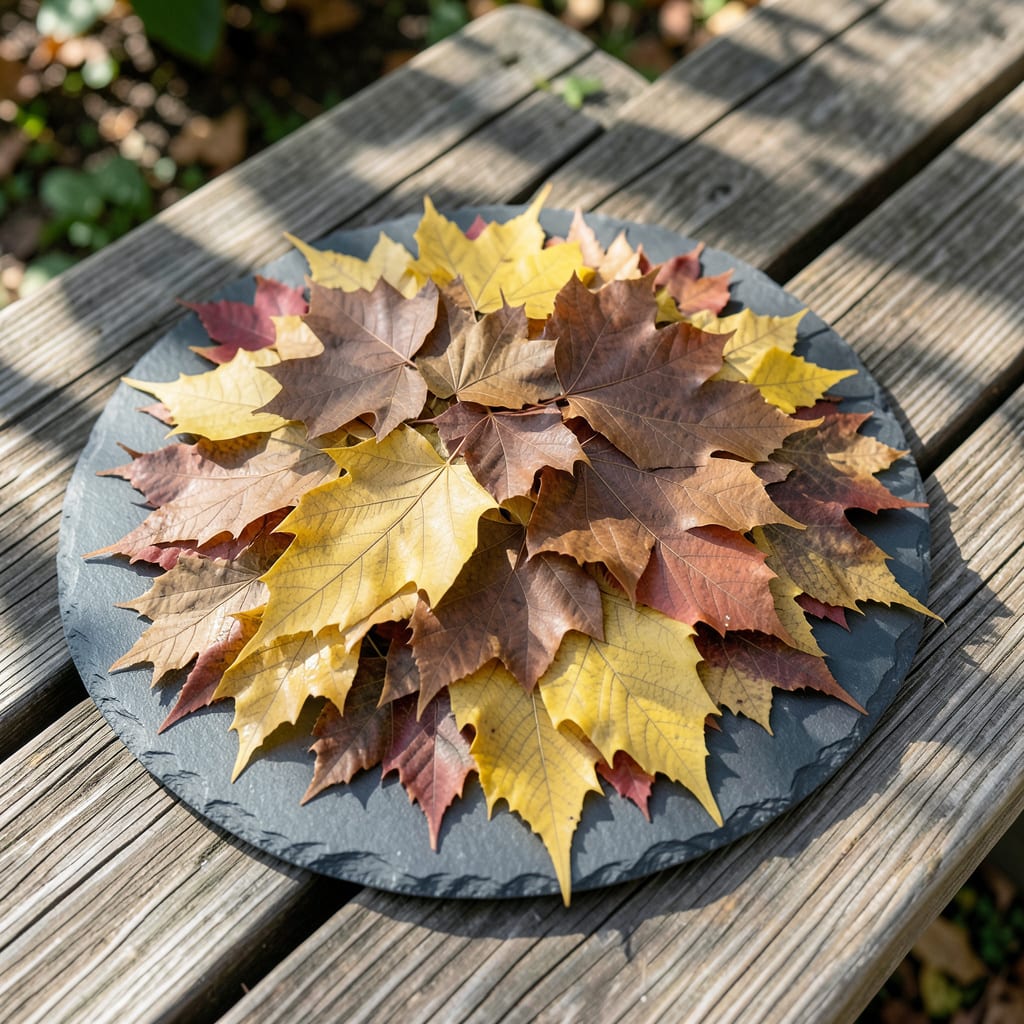
Nothing stings like watching your aspen’s leaves turn crispy brown mid-season. I’ve stood under my own trees, staring up at those sad, curling leaves, wondering where I went wrong.
Turns out, it’s rarely just one culprit. Drought stress, fungal infections, or even compacted soil can trigger the browning. The good news? Most causes are fixable once you pinpoint the real issue.
With the right adjustments—better watering, improved drainage, or targeted treatments—you’ll see fresh, vibrant green growth returning within 2-3 weeks. Your aspens aren’t doomed yet.
Start with a quick soil check and leaf inspection. The solution might be simpler than you think.
Brown leaves on aspen trees are often a sign of underlying stress. Several factors can trigger this discoloration, each with distinct causes and solutions.
Aspens require consistent moisture, especially in hot climates. When soil dries out, the tree can’t absorb enough water to sustain its leaves. Xylem vessels (water-transporting tissues) collapse under extreme drought, leading to scorching—brown, crisp edges or patches. Prolonged heat above 90°F (32°C) accelerates water loss through transpiration, worsening the effect.
Pathogens like Marssonina and Venturia cause leaf blight, turning foliage brown or black with irregular spots. These fungi thrive in wet, humid conditions, spreading via wind or rain. Infected leaves may drop prematurely, weakening the tree. Fungal spores overwinter in leaf litter, so removing debris in fall helps prevent recurrence.
Sap-sucking pests such as aphids and aspen leaf miners damage leaf tissues, causing brown stippling or blotches. Aphids excrete honeydew, a sticky residue that promotes sooty mold growth—another cause of browning. Severe infestations can defoliate the tree if untreated. Neem oil or insecticidal soap are effective organic controls.
Poor soil conditions—such as compacted roots, high pH (alkaline), or nutrient deficiencies (e.g., potassium, magnesium)—disrupt chlorophyll production. This leads to necrosis (tissue death), visible as brown or yellow-brown patches between leaf veins. A soil test can pinpoint deficiencies; amending with compost or balanced fertilizers restores health.
If your aspen leaves are turning brown, quick action can help restore their health. Below are targeted fixes for common causes, along with prevention tips to keep your tree thriving.
If dry soil is the culprit, give your aspen a slow, deep watering at the base—aim for 1–2 inches of water per week, especially during dry spells. Use a soaker hose to encourage deep root absorption. Prevention: Mulch around the base (2–3 inches deep) to retain moisture, but keep mulch away from the trunk to avoid rot.
Brown leaves with a soggy base? Stop watering and let the soil dry out. If the area is prone to pooling, amend the soil with compost or create small drainage channels. For potted aspens, ensure containers have drainage holes. Prevention: Test soil moisture with your finger—only water when the top 1–2 inches feel dry.
Spot brown leaves with dark edges or spots? Remove infected branches with sterilized pruners (dip in rubbing alcohol between cuts) and dispose of debris far from the tree. Apply a copper-based fungicide or neem oil for fungal issues. Prevention: Space trees properly for airflow, and avoid overhead watering to reduce humidity on leaves.
Extreme heat, frost, or pollution can brown leaves. Shield young trees with shade cloth during heatwaves or anti-desiccant sprays in winter. If pollution is the issue, rinse leaves with water to remove residue. Prevention: Plant aspens in locations with consistent temperatures and clean air flow.
Yellowing followed by browning? Test your soil for deficiencies. Aspens often need nitrogen-rich fertilizer (10-10-10 or 20-5-5) in early spring. Avoid over-fertilizing, which can burn roots. Prevention: Feed annually and monitor leaf color for early signs of trouble.
💡 Pro Tip: Always water in the early morning to minimize evaporation and fungal risks!
Not always. While fungi can cause browning, drought stress or heat above 90°F often triggers similar symptoms. Check soil moisture first before assuming it’s a pathogen.
Aspens need 1-2 inches of water weekly. Deep watering 2-3 times weekly is better than daily light sprinkling. Use a soaker hose for best results.
Yes! Soggy soil suffocates roots, leading to brown, wilted foliage. Always check that the top 1-2 inches of soil are dry before watering again.
Inspect leaves closely: crisp edges suggest drought, spots indicate fungus, while stippling often means pests. A soil test can reveal nutrient deficiencies.
