
Beautiful Plants For Your Interior
Beautiful Plants For Your Interior
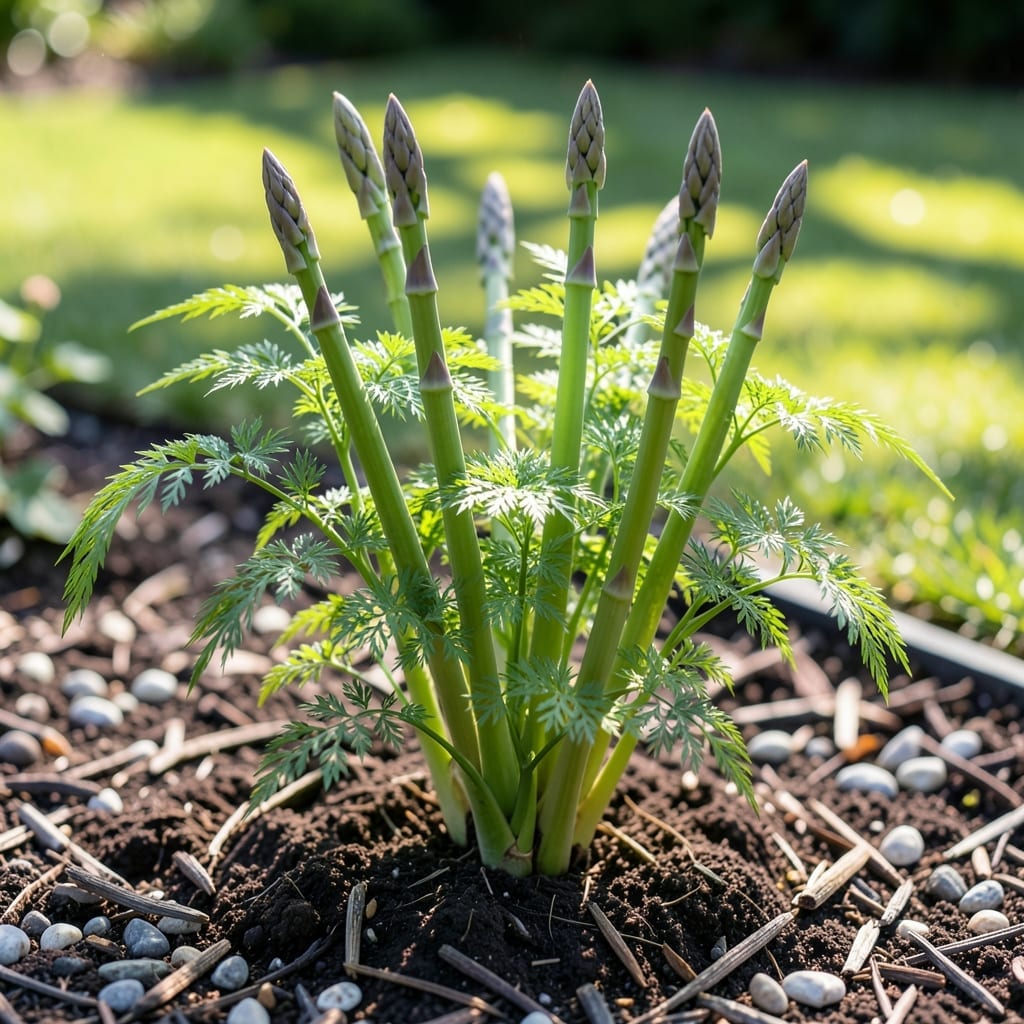
Asparagus thrives in USDA hardiness zones 3 through 8, preferring cool to temperate climates. It requires well-drained soil and full sun for optimal growth and production.
I’ve found these zones work because asparagus crowns need a winter chill period to rest and store energy, followed by a moderate spring to produce strong spears. In warmer areas, the plants may struggle with heat stress, while colder regions might not provide enough growing days. 🔥
Proper drainage prevents root rot, and full sun ensures robust growth and high yields over the plant’s long lifespan.
💡 In This Article
Asparagus crowns require a dormant period of 40-50 days below 50°F to reset their growth cycle. This winter rest triggers hormonal changes that prime the plant for spring spear production. Without this chill, crowns may produce weak, spindly spears or fail to thrive entirely. 🔥
Temperature swings in zones 3-5 create ideal conditions, as cold winters satisfy dormancy needs while moderate springs (50-75°F) promote vigorous growth. The crowns store energy as carbohydrates during winter, which fuels rapid spear emergence when soil temps hit 50°F. This energy reserve is why established beds can produce for 15+ years. ✨
Zones 6-8 push the upper limit because summer heat above 85°F can stress plants, reducing spear quality. However, these warmer zones often have longer growing seasons, allowing for extended harvest windows. The key is consistent moisture—crowns need 1-2 inches of water weekly to prevent bitterness in spears. 💫
Frost sensitivity plays a role too. While mature asparagus can tolerate light frosts (28-32°F), young spears may suffer damage. This is why northern growers often plant crowns 1-2 weeks after the last frost date, while southern gardeners may start earlier but must watch for late cold snaps. 🌟
Soil temperature matters more than air temperature for spear emergence. Crowns won’t send up spears until soil reaches 50°F at 6-inch depth. This is why raised beds, which warm faster, can give northern gardeners a 1-2 week head start on the season. ⚡
It’s challenging but possible with extra care. Choose heat-tolerant varieties and provide afternoon shade. Crowns may struggle without sufficient winter chill, leading to weaker spear production.
In zones 3-4, plant crowns 6-8 inches deep to protect from freeze-thaw cycles. This extra depth shields them from harsh winter temperatures and prevents heaving.
The 40-50 day chill below 50°F resets the growth cycle, allowing crowns to store energy. Without this rest, they produce weak spears or fail to thrive entirely.
Start 2-3 weeks earlier than colder zones, when soil reaches 50°F. This timing balances frost risk with optimal growing conditions for strong establishment.
Neglecting consistent moisture. Crowns need 1-2 inches of water weekly to prevent bitterness. In zones 7-8, deep watering 2-3 times weekly is crucial during summer heat.