
Beautiful Plants For Your Interior
Beautiful Plants For Your Interior
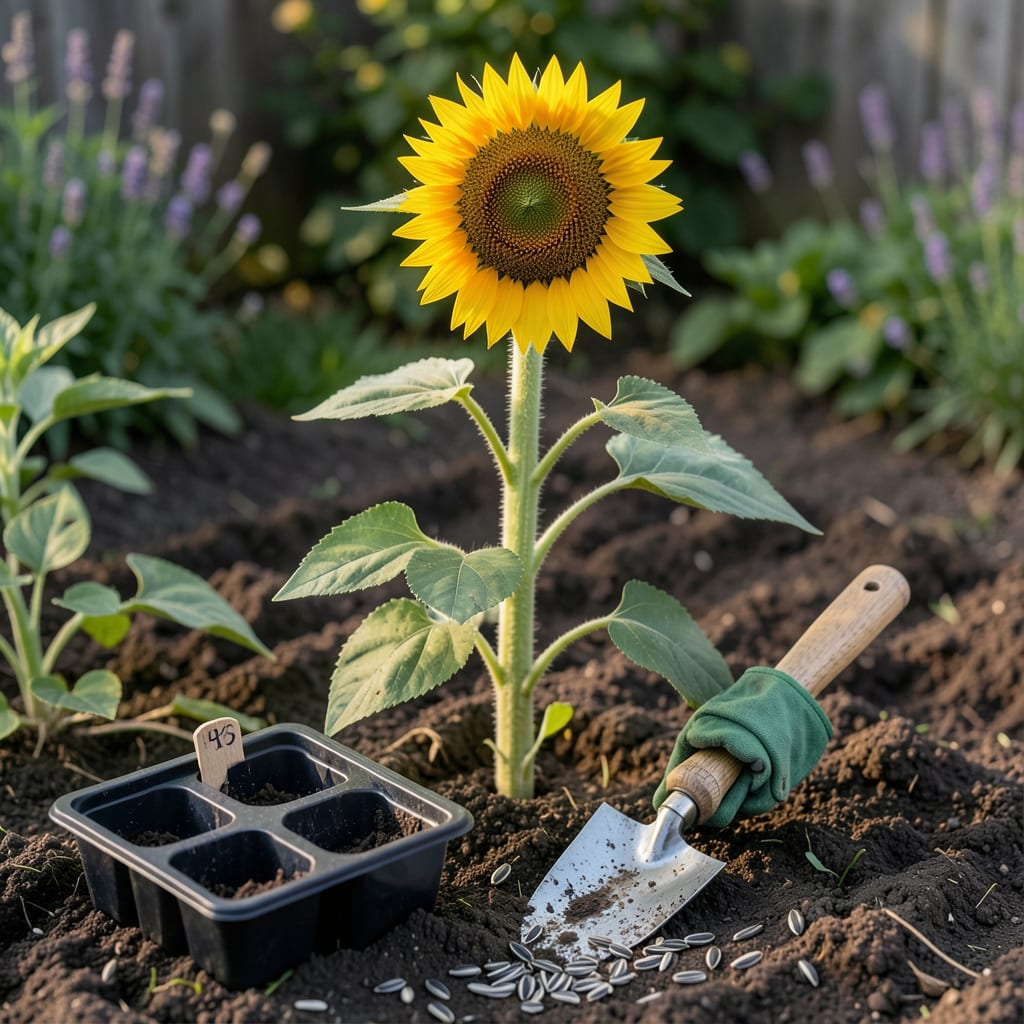
Northern California’s unpredictable springs can turn sunflower planting into a gamble—plant too soon and frost might ruin your crop, wait too long and you’ll miss those towering 12-foot blooms. But here’s the good news: with the right timing, you can grow sunflowers that thrive in everything from foggy coastal microclimates to the Central Valley’s heat.
I’ve dug into the data from UC Master Gardeners and local frost patterns to pinpoint the exact windows for your zone—whether you’re in frost-prone Shasta County or the milder Bay Area. Let’s cut through the guesswork so you can plant with confidence and watch those golden giants rise.
Northern California’s diverse microclimates mean sunflower planting times vary dramatically from the foggy coast to the scorching Central Valley. While April and May are ideal for most areas, coastal gardeners in Zones 9-10 can start as early as March, while inland Zone 7-8 growers should wait until late April to avoid frost.
The secret to success? Soil temperature—sunflowers thrive when soil hits 55–60°F. Use a soil thermometer to check, or watch for dandelions blooming, a natural sign that soil is warm enough. Coastal areas like San Francisco may need to wait until mid-April, while Sacramento’s warmer soil allows earlier planting.
| Region | USDA Zone | Ideal Planting Window | Last Frost Date |
|---|---|---|---|
| San Francisco Bay | 9-10a | March 15–April 30 | Feb 15 |
| Sacramento Valley | 8-9 | April 1–May 15 | March 15 |
| North Coast (Eureka) | 9b | April 1–June 1 | March 1 |
| Shasta/Redding | 7b-8a | April 15–May 30 | April 15 |
*Adjust for early-maturing varieties (plant 2–3 weeks earlier) or giant types (plant 2 weeks later).
For fall sunflowers, plant in late July to early August—this works especially well in Zone 9-10 where summers are long. Varieties like ‘Autumn Beauty’ or ‘Moulin Rouge’ bloom beautifully in September if sown by August 1. Just ensure they’ll mature before your first frost date (check local data!).
Inland valleys like Stockton or Modesto can push planting to early June for late-summer blooms, but water deeply—100°F+ temps stress young plants. Use shade cloth for afternoon protection if planting in heat. Coastal gardeners should avoid June planting; cool summers may prevent maturation.
Pro tip: Succession planting extends your sunflower season! Sow a new batch every 2–3 weeks until early July for continuous blooms. I’ve had great success with this in my Oakland garden, where ‘Teddy Bear’ sunflowers planted in April and May bloomed sequentially through October.
Don’t forget soil prep—Northern California’s clay-heavy soils benefit from compost or sand to improve drainage. Work in a 2–3 inch layer before planting, and consider a balanced fertilizer (10-10-10) at planting time. Sunflowers are heavy feeders, especially giant varieties like ‘Russian Mammoth’!
If you’re in a frost-prone area (like the Sierra foothills), start seeds indoors 3–4 weeks early in biodegradable pots. Transplant after your last frost date, but harden off seedlings first to avoid shock. I lost a whole tray of ‘Giant Sungold’ once by skipping this step—learn from my mistake!
For cut flower growers, timing is everything. Plant ‘ProCut’ or ‘Sunrich’ series in early April for July blooms, or late May for September harvests. These varieties have longer stems and hold up better in Northern California’s dry summers than traditional types.
Finally, watch the microclimates in your own yard. A south-facing slope in Walnut Creek might be 5°F warmer than a shaded spot, allowing earlier planting. Use a cheap thermometer to track temps—it’s the best $10 you’ll spend for sunflower success! ☀️
Not all sunflowers are created equal—especially in Northern California! The giant ‘Russian Mammoth’ needs a longer growing season than dwarf ‘Teddy Bear’, and heat-tolerant varieties like ‘Lemon Queen’ thrive in inland valleys where others wilt. Let’s break down the best types for your region and when to plant them.
For early blooms, try fast-maturing varieties like ‘Sunspot’ (50 days) or ‘Pacino’ (60 days). These can be planted as late as early June in warmer zones and still flower before fall. If you’re after cut flowers, ‘ProCut’ series sunflowers are bred for long stems and vase life—plant them in April for July bouquets.
| Variety | Height | Days to Maturity | Best Planting Window | Ideal For |
|---|---|---|---|---|
| Russian Mammoth | 10–12 ft | 90–110 days | April 1–15 | Seeds, giant blooms |
| Moulin Rouge | 5–6 ft | 60–70 days | April–July | Cut flowers, fall blooms |
| Teddy Bear | 2–3 ft | 50–60 days | March–June | Containers, small spaces |
| Lemon Queen | 5–7 ft | 70–80 days | April–May | Heat tolerance, pollen-free |
| Sunrich Orange | 5–6 ft | 55–65 days | March–June | Cut flowers, succession planting |
*Plant 1–2 weeks earlier in coastal zones (9-10) or 1 week later in frost-prone areas (Zone 7-8).
If you’re in hot inland areas like Stockton or Redding, prioritize heat-resistant varieties like ‘Soraya’ or ‘Valentine’. These handle 100°F+ temps better than traditional sunflowers. Plant them in early April so they establish roots before peak summer heat, and mulch heavily to retain moisture.
For coastal gardeners in San Francisco or Santa Cruz, ‘Autumn Beauty’ is a star performer. Its late-season blooms thrive in foggy summers, and you can plant seeds as late as early July for October flowers. Pair it with ‘Chianti’ (burgundy petals) for a stunning fall display that laughs at light frost.
Want sunflowers for seeds? Stick with ‘Black Oil’ or ‘Mammoth Grey Stripe’—plant them by May 1 to ensure seeds mature before fall rains. Pro tip: Cover developing seed heads with mesh bags to deter squirrels (trust me, they’ll strip a plant overnight!).
Don’t overlook planting depth and spacing. Giant varieties need 2–3 feet between plants and seeds sown 1–1.5 inches deep. Dwarf types can be planted 6–12 inches apart and only 0.5 inches deep. Overcrowding leads to weak stems—especially problematic in windy areas like the Delta region.
For succession planting, I recommend this schedule: ‘Teddy Bear’ every 2 weeks from March 15–May 15, then ‘Moulin Rouge’ from June 1–July 15 for fall color. This keeps my Berkeley garden in blooms from July through October with minimal gaps. Just adjust based on your zone!
Remember, sunflower timing isn’t just about when you plant—it’s about when you want blooms. For July 4th flowers, plant by April 15. For Halloween decorations, sow in early August. With the right variety and timing,
Even experienced gardeners can stumble when growing sunflowers in Northern California’s tricky climate. The biggest mistake I see? Planting too early in cool soil—especially in Zone 7-8 areas like Redding or Chico. Sunflower seeds rot in below 50°F soil, so resist the urge to sow in February or early March.
Another critical error is ignoring water needs during germination. While mature sunflowers are drought-tolerant, seeds and young seedlings need consistent moisture. I lost an entire row of ‘Autumn Beauty’ by letting the soil dry out during sprouting—learn from me and keep soil evenly damp for the first 3 weeks.
Many gardeners also overlook wind protection, which is vital for tall varieties. Northern California’s Delta breezes or coastal winds can snap 10-foot stems. Stake plants at planting time or grow near a windbreak like a fence or shrub. I use bamboo stakes and soft ties for my ‘Russian Mammoth’ plants—it’s saved many a bloom!
Avoid the late-planting trap too. While you can plant sunflowers through June, varieties needing 90+ days (like ‘Giant Sungold’) won’t mature before frost in Zone 7-8. Stick to fast growers like ‘Sunspot’ (50 days) for summer plantings, or choose fall-blooming types like ‘Moulin Rouge’ for August sowings.
Finally, don’t neglect soil prep. Northern California’s heavy clay—especially in the Sacramento Valley—can stunt sunflower roots. Before planting, work in 3 inches of compost and a handful of sand to improve drainage. I also add a balanced fertilizer (10-10-10) at planting time for stronger stems and bigger blooms. 🌻
For most varieties, aim to plant by early July in warmer zones (9-10) for fall blooms. In cooler areas (Zone 7-8), stick to fast-maturing types like ‘Sunspot’ if planting after June. Always check the days-to-maturity on your seed packet!
Coastal zones (9-10) can plant 2-3 weeks earlier than inland valleys. For example, San Francisco gardeners can start in mid-March, while Sacramento should wait until early April to avoid frost risks.
Yes, but choose dwarf varieties like ‘Teddy Bear’ or ‘Pacino’. Use containers at least 12 inches deep with drainage holes. Balcony gardeners should plant in March-April and ensure 6+ hours of sunlight daily.
Cover newly planted seeds with mesh netting until sprouts reach 6 inches tall. For mature plants, use organza bags over developing seed heads. I’ve saved many harvests with this simple trick!
Late blooms often result from cool soil or overcrowding. Check that soil temps reached 55°F+ at planting. Thin seedlings to 12-18 inches apart for better airflow. A phosphorus-rich fertilizer can also encourage flowering.
