
Beautiful Plants For Your Interior
Beautiful Plants For Your Interior
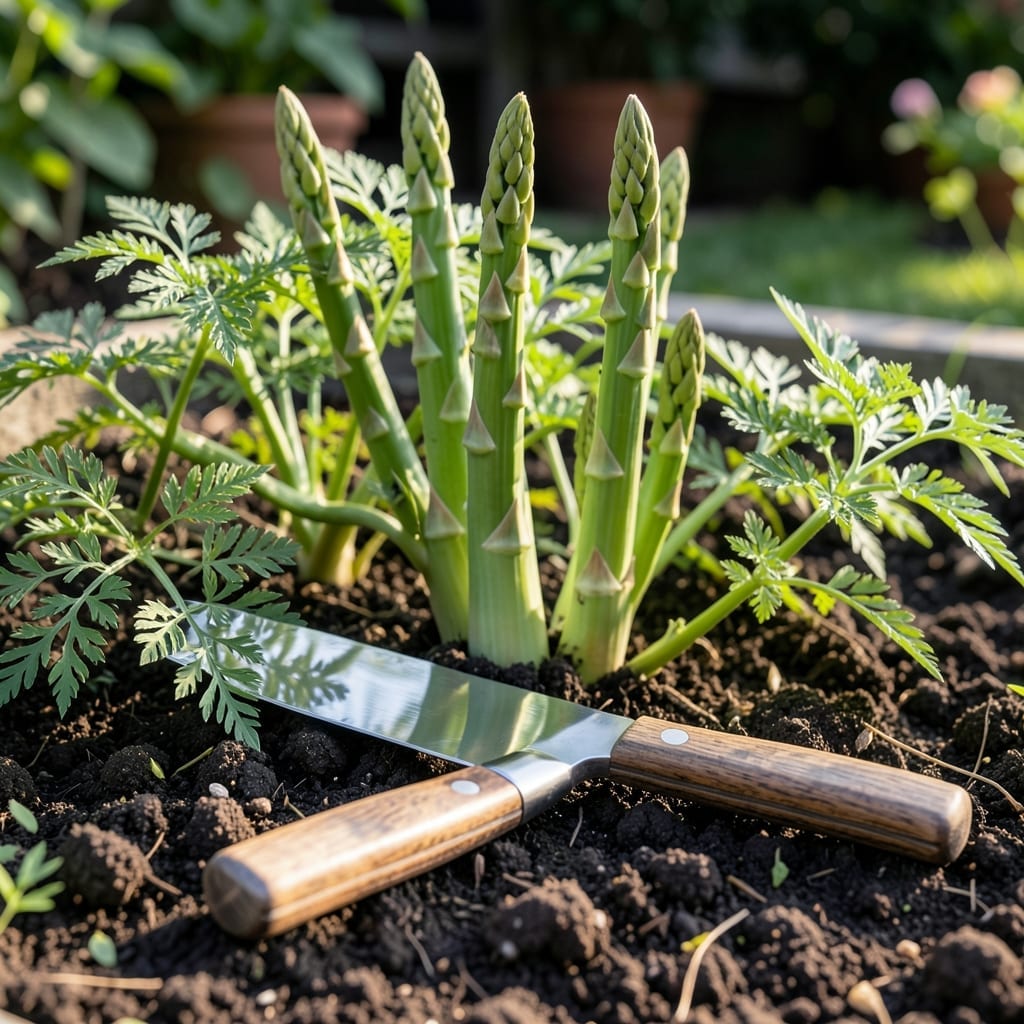
Botanically, asparagus is a vegetable as it comes from the plant’s edible stem. However, its seeds develop into small red berries, which are technically fruits, though rarely consumed.
This dual nature stems from how we define plant parts in cooking versus botany. 🌟 The spears we eat are the plant’s young shoots, clearly vegetable territory, while the berries serve a reproductive purpose. I find this classification fascinating because it highlights how our culinary terms often differ from scientific ones. Most people never see these berries since commercial growers harvest the stems before they mature.
💡 In This Article
In botany, the distinction hinges on plant function. Vegetables are edible plant parts like leaves, stems, or roots. Asparagus spears are the young shoots of Asparagus officinalis, making them a vegetable. These shoots emerge from underground crowns each spring, growing up to 8 inches in just 24-48 hours under ideal conditions. 🔥
The reproductive story changes things. After 2-3 years, mature plants produce small white flowers that develop into 6-10mm red berries. These berries contain the seeds, meeting the botanical fruit definition as they develop from fertilized ovaries. Each berry typically holds 2-6 black seeds, which are viable for propagation. ✨
What makes this unique is the separation between edible and reproductive parts. We harvest the stems before they flower, so we never encounter the fruit in grocery stores. The berries are actually toxic to humans when raw, containing saponins that cause stomach upset. Birds, however, eat them readily, helping disperse seeds in nature. 💫
This dual classification isn’t rare in plants. Rhubarb has edible stems (vegetable) but poisonous leaves, while tomatoes are fruits botanically but treated as vegetables in cooking. The key is understanding that culinary and botanical classifications serve different purposes. Asparagus perfectly embodies this complexity with its distinct edible and reproductive parts. ⚡
For gardeners, this means you might spot the red berries on established plants. They appear in late summer on female plants, while male plants produce no berries. This dioecious nature (separate male and female plants) is another fascinating aspect of asparagus biology that contributes to its classification story. 🌟
We eat the young shoots, which are stems—vegetable parts. The small red berries that develop later are technically fruits, but they’re not the part we consume. Culinary classification focuses on edible portions, not reproductive ones.
No, they’re toxic when raw due to saponins that cause stomach upset. Birds can eat them safely, which helps seed dispersal in nature. Always remove berries if growing asparagus where children or pets play.
Female plants produce the red berries in late summer, while male plants don’t. Male plants are often preferred by gardeners because they put more energy into spear production rather than berry development.
Not at all. Whether it’s botanically a fruit or vegetable, we prepare asparagus spears the same way. The culinary world treats all edible stems as vegetables regardless of their plant’s reproductive parts.