
Beautiful Plants For Your Interior
Beautiful Plants For Your Interior
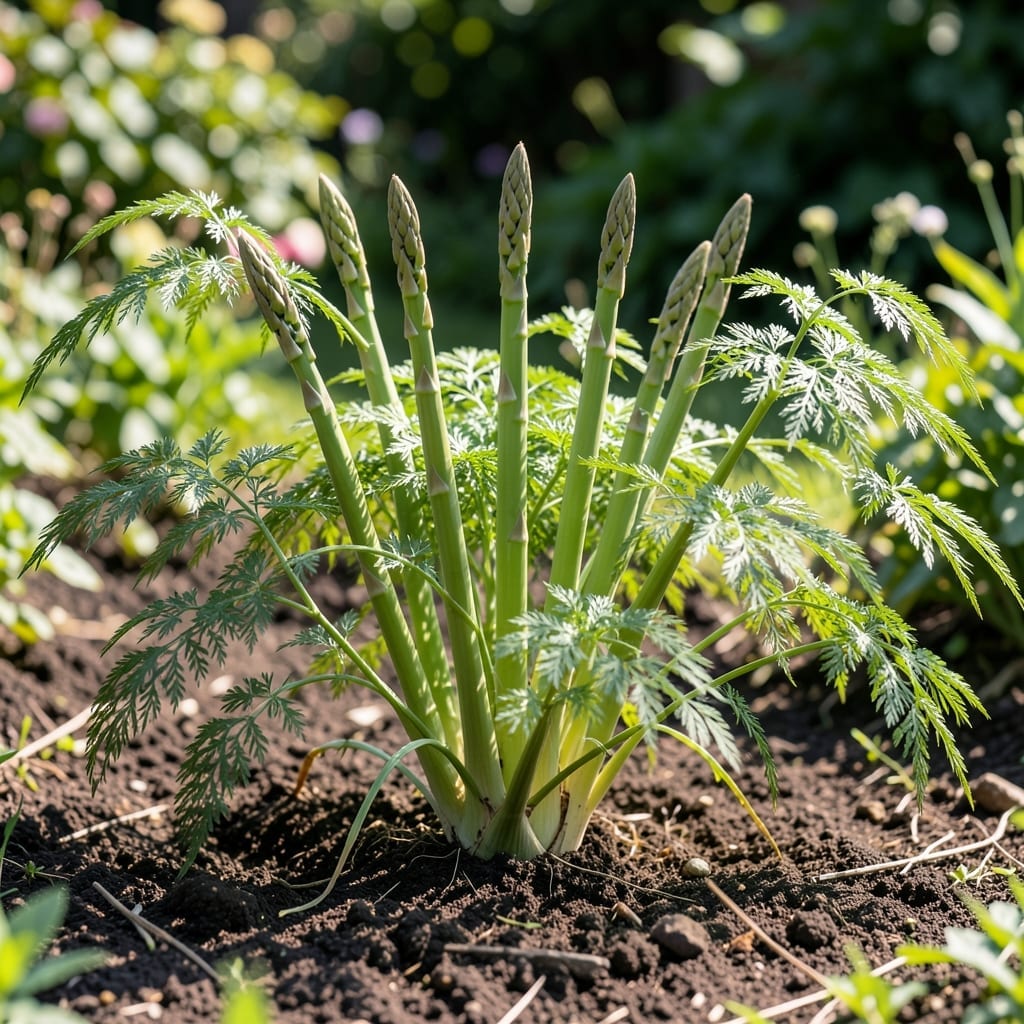
When a freeze warning hits, protect asparagus by covering plants with frost blankets or mulch. Young spears are particularly vulnerable, so act before temperatures drop below 32°F to prevent damage.
I’ve learned that asparagus plants have high water content in their spears, making them prone to cell rupture when temperatures dip. 🔥 This vulnerability is especially critical during early spring growth, when new shoots emerge and can’t withstand sudden cold snaps. Using breathable protection like row covers prevents heat buildup while shielding from frost.
💡 In This Article
The high water content in asparagus spears is the primary culprit. When temperatures drop below 32°F, the water inside plant cells freezes and expands, rupturing cell walls. This causes the characteristic mushy, discolored spears that signal frost damage. Young shoots are most vulnerable because their cell walls are thinner and less rigid than mature plants.
Asparagus crowns store energy in their roots during winter dormancy. When spring warmth triggers new growth, the emerging spears are packed with water to support rapid elongation. A sudden freeze interrupts this process, as the plant can’t protect its tender new growth from the cold shock.
This is why established beds often recover better than first-year plantings.
The vascular system of asparagus also plays a role in its frost sensitivity. Unlike woody plants that can tolerate freezing temperatures, asparagus relies on water transport through its stems. When ice crystals form, they block these vascular pathways, preventing nutrient delivery to the growing tips.
This is why damage often appears as blackened or limp spears.
Timing matters too. Asparagus is most vulnerable during its active growth phase in spring, typically when soil temperatures reach 50-55°F. At this stage, the plant has broken dormancy but hasn’t developed the protective mechanisms it would have in full summer growth. A late spring freeze can be particularly devastating.
This biological vulnerability explains why asparagus growers in colder climates often wait until after the last frost date to harvest. The plant’s natural growth cycle is perfectly adapted to avoid frost damage—when we force early growth with warm spells, we expose it to potential cold snaps. 🔥
Use breathable fabrics like frost blankets or old bedsheets. Avoid plastic, as it traps moisture and can worsen damage. Secure covers with stakes to prevent wind exposure.
A 2-3 inch layer of straw or leaves helps insulate the base, but it’s best combined with a cover for full protection. Focus on young spears, as they’re most vulnerable.
Take them off once temperatures rise above 40°F to prevent overheating. Inspect plants for blackened or mushy spears and trim damaged areas immediately.
Move pots indoors or to a sheltered location like a garage. If that’s not possible, group containers together and wrap them with burlap or bubble wrap for extra insulation.