
Beautiful Plants For Your Interior
Beautiful Plants For Your Interior
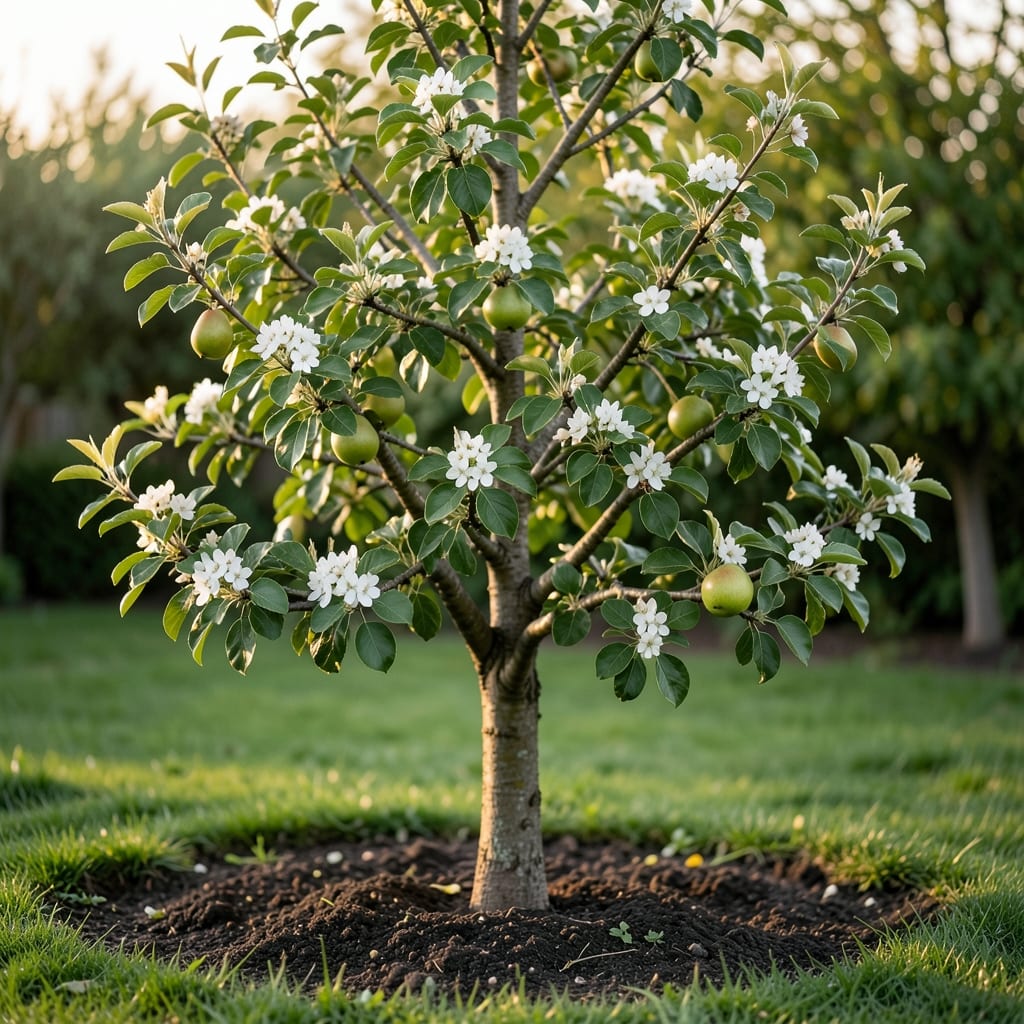
Asian pear trees thrive in USDA zones 5 through 9, with some cold-hardy varieties tolerating zone 4. They need 400-600 chill hours and well-drained soil for optimal fruit production.
I’ve found these trees do best where winters provide consistent cold snaps to meet their chill requirements. Zones 7-8 often yield the most reliable harvests, but gardeners in zone 4 can succeed with varieties like Shinko. 🔥
Proper drainage is non-negotiable—soggy roots lead to poor growth and fruit drop. ✨
💡 In This Article
The chill hour requirement of 400-600 hours below 45°F is what triggers Asian pear trees to break dormancy and produce fruit. This biological need aligns perfectly with the winter conditions in zones 5-9, where temperatures consistently drop low enough to satisfy this threshold.
Without adequate chill, trees may bloom erratically or fail to set fruit at all. 🔥
Frost tolerance varies by variety, but most Asian pears can handle temperatures down to -10°F once established. However, late spring frosts can damage blossoms, which is why zone 4 gardeners need the hardiest cultivars like Shinko.
In contrast, zone 9 growers must watch for insufficient winter chill, which might require selecting low-chill varieties like Ya Li. ✨
Heat sensitivity becomes a factor in the upper range of their growing zones. While Asian pears tolerate summer highs up to 100°F, prolonged heat waves can stress trees and reduce fruit quality. This is why afternoon shade and consistent irrigation are crucial in zone 9 climates.
The trees also prefer regions with moderate humidity to prevent fungal diseases. 💫
Regional weather patterns play a significant role in success. Areas with reliable winter cold snaps and gradual spring warm-ups produce the most consistent harvests. Sudden temperature swings can cause fruit drop or poor pollination. That’s why the stable climate of zone 7 often yields the best results for most Asian pear varieties. ⚡
Soil drainage works in tandem with climate. Even in perfect growing zones, waterlogged roots can suffocate trees and reduce their cold hardiness. Well-drained loamy soil with a pH of 6.0-7.0 allows roots to access oxygen and nutrients efficiently, supporting the tree’s ability to withstand temperature extremes. 🌟
Most Asian pear varieties are self-fertile, but planting two different cultivars nearby boosts fruit production. Some types like Shinko may still benefit from cross-pollination for heavier yields.
Dwarf varieties may produce in 2-3 years, while standard trees often take 3-5 years to bear fruit. Proper care and ideal growing conditions can speed this up slightly.
Dwarf Asian pear trees thrive in large containers with good drainage. Use a pot at least 20 gallons and ensure it gets full sun. This works well for patios or small spaces.
Overwatering is the most common issue, leading to root rot. Let the top 2-3 inches of soil dry between waterings, and always use well-draining soil.