
Beautiful Plants For Your Interior
Beautiful Plants For Your Interior
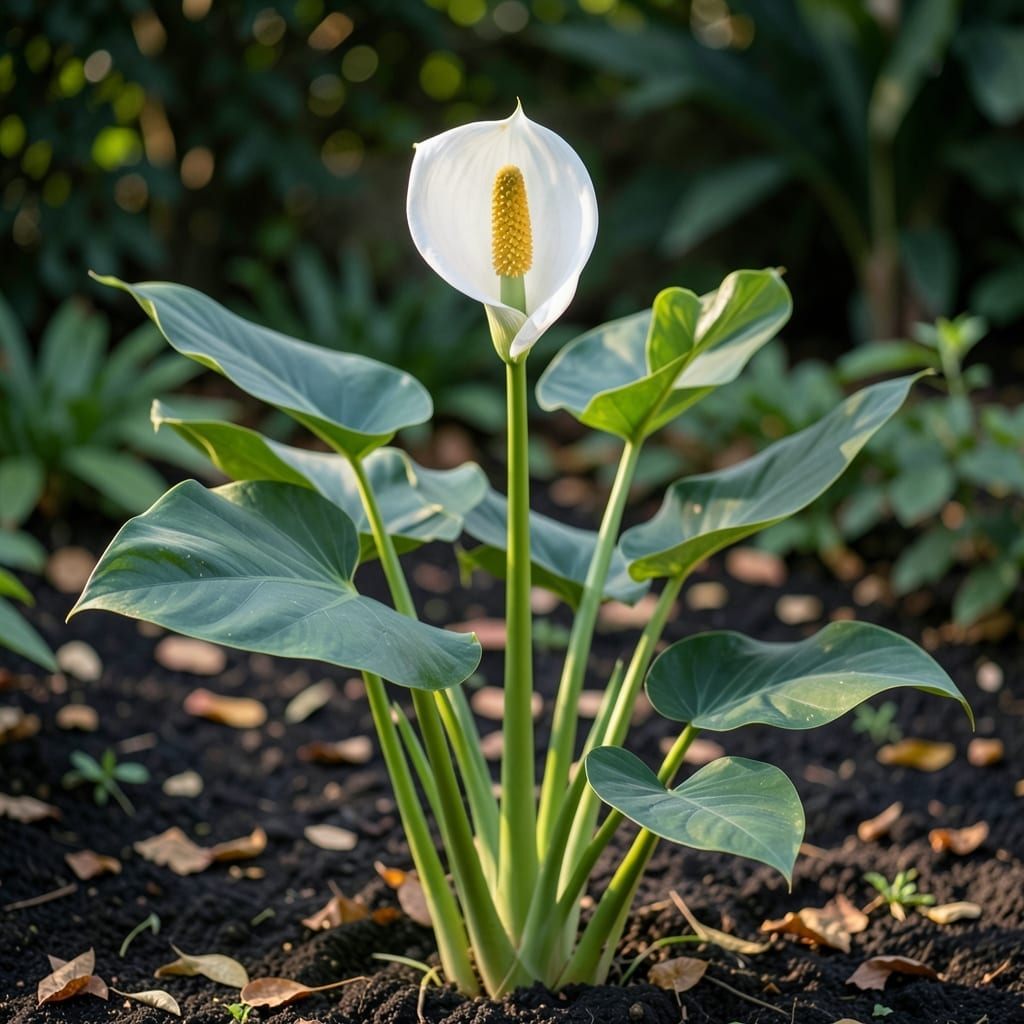
Arum lily seed pods are bright orange-red berries that form in dense clusters. They contain toxic compounds, especially calcium oxalate crystals, and should never be ingested.
I’ve seen these striking berries fool even seasoned gardeners—their vivid hue looks edible, but they pack a dangerous punch. The calcium oxalate causes immediate burning in the mouth and throat, while other alkaloids can trigger severe gastrointestinal distress. Always wear gloves when pruning near them, and keep pets far away. 🔥
💡 In This Article
The toxicity stems from a dual chemical defense system. Calcium oxalate crystals form needle-like structures that physically damage tissues, while soluble oxalates trigger cellular dysfunction. These crystals measure 2-200 micrometers—small enough to penetrate membranes but large enough to cause mechanical irritation. The plant also produces alkaloids like aroine and aronin, which disrupt nervous system function.
🔥
When ingested, the crystals immediately cause micro-tears in the mouth and throat. This releases oxalate ions that bind with calcium in cells, forming insoluble crystals that damage cellular structures. The body responds with inflammation, swelling, and pain.
In severe cases, the crystals can obstruct airways or cause kidney damage as the body attempts to eliminate them. As little as 1-2 berries can trigger symptoms in children. ✨
Symptoms typically appear within 15-30 minutes of exposure. Initial signs include burning sensations in the mouth, excessive drooling, and difficulty swallowing. As the compounds move through the digestive system, victims may experience severe nausea, vomiting, and diarrhea. In rare cases, the alkaloids can cause cardiac arrhythmias or respiratory distress.
The severity depends on the amount consumed and the individual’s sensitivity. 💫
The plant evolved this toxicity as a survival mechanism. The bright orange-red berries attract animals that might disperse seeds, but the toxins ensure they’re not eaten. This chemical deterrent is particularly effective against mammals, which are more likely to chew the seeds and release the toxins.
The toxins also protect against microbial attacks and environmental stresses. 🌟
Interestingly, some animals have developed resistance. Certain bird species can consume the berries without harm, as their digestive systems pass the seeds intact. This allows for seed dispersal while maintaining the plant’s chemical defenses. However, most mammals—including humans and pets—remain highly vulnerable to the toxins. ⚡
They appear as bright orange-red berries clustered tightly together, often in a spike-like formation. The berries are small, typically 5-10mm in diameter, and stand out vividly against the plant’s green leaves.
The sap contains calcium oxalate crystals that cause skin irritation and burning. Even brief contact can lead to redness, itching, or blistering, especially for those with sensitive skin.
Mild skin irritation usually resolves within 24-48 hours with proper cleaning. If ingested, symptoms like burning or swelling may persist for several hours and require medical attention.
Yes, some bird species can consume them without harm. Their digestive systems pass the seeds intact, avoiding the release of toxins that would affect mammals.
Wear gloves and use tools to cut the seed pods, placing them directly into a sealed bag. Dispose of them in the trash, not compost, to prevent accidental contact.