
Beautiful Plants For Your Interior
Beautiful Plants For Your Interior
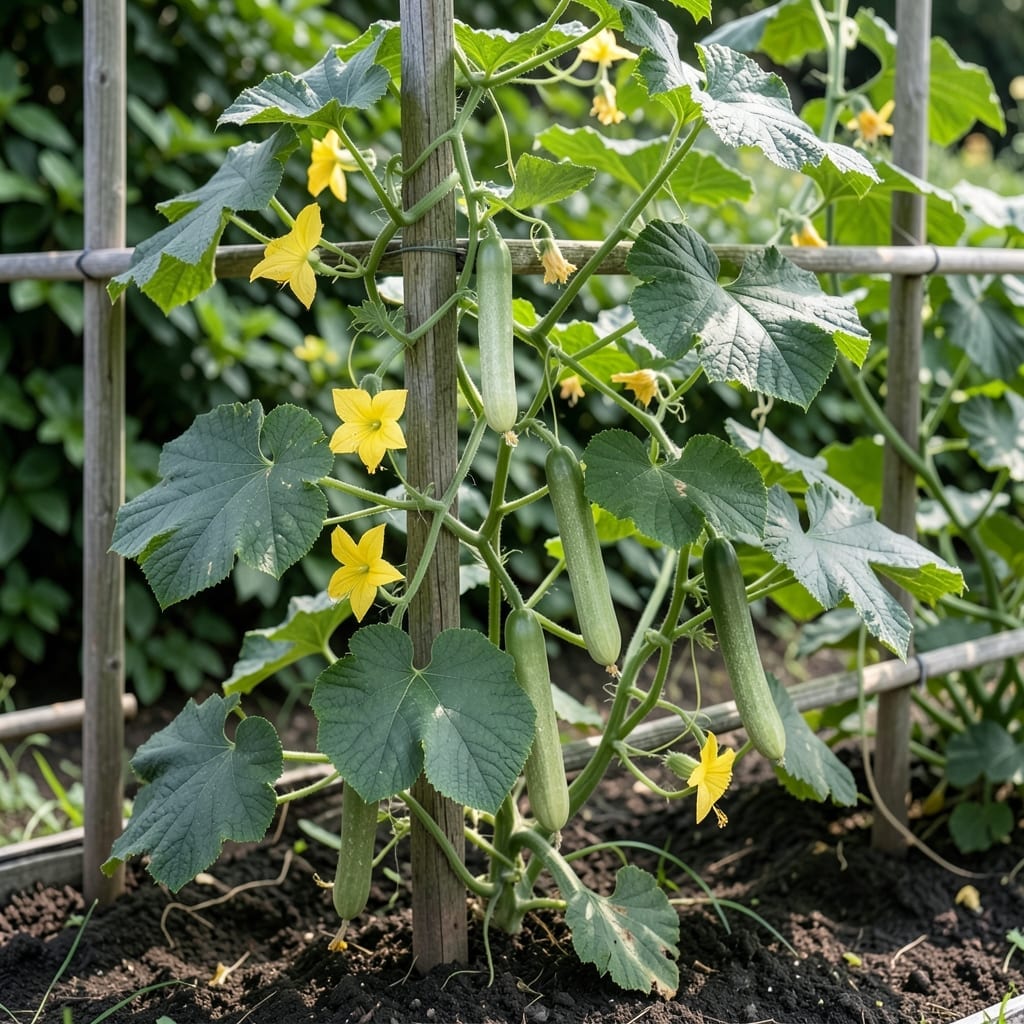
Armenian cucumbers offer hydration, fiber, and vitamins A and C, supporting digestion, skin health, and immunity. Low in calories, they’re rich in antioxidants like beta-carotene and lutein.
I love how these long, ribbed cucumbers pack a nutritional punch with minimal calories. Their high water content makes them perfect for staying refreshed, while the antioxidant compounds help combat oxidative stress. They’re also a great source of silica, which supports collagen production for healthier skin and joints. 🔥
What sets them apart is their mild, slightly sweet flavor that works in both savory and sweet dishes. Unlike traditional cucumbers, they have thinner skins and fewer seeds, making them easier to digest and more versatile in recipes.
💡 In This Article
These cucumbers pack 95% water content, making them one of nature’s best hydrating foods. The remaining 5% delivers a powerhouse of nutrients, including 14% of daily vitamin C and 12% of vitamin A per cup. This high water-to-nutrient ratio explains their reputation as a refreshing, low-calorie snack with just 16 calories per serving.
The fiber content, at 1 gram per cup, comes from both soluble and insoluble types. Soluble fiber forms a gel-like substance that slows digestion, while insoluble fiber adds bulk to stool. Together, they support gut health by promoting regularity and feeding beneficial gut bacteria.
The thin, edible skin contains most of this fiber along with additional antioxidants.
What truly sets Armenian cucumbers apart is their antioxidant profile. They contain beta-carotene (a vitamin A precursor) and lutein, both known for eye health protection. These compounds work by neutralizing free radicals that can damage cells.
Compared to standard cucumbers, they often contain 20-30% more of these beneficial plant compounds due to their longer growing season and thinner skin.
The silica content, at approximately 10 mg per cup, plays a crucial role in collagen synthesis. This mineral helps strengthen connective tissues in skin, hair, and nails. Unlike many fruits and vegetables, Armenian cucumbers maintain their silica content even after light cooking, making them versatile for both raw and cooked applications.
Their mineral composition includes notable amounts of potassium (215 mg per cup) and magnesium (17 mg per cup). Potassium helps regulate blood pressure by counteracting sodium’s effects, while magnesium supports over 300 enzymatic reactions in the body, including energy production and muscle function.
They have thinner skin and fewer seeds, making them easier to digest. Their 95% water content is similar, but they often contain 20-30% more antioxidants like beta-carotene.
With just 16 calories per cup and high water content, they help you feel full without adding many calories. Their fiber also supports healthy digestion.
Yes, and you should! The skin contains most of the fiber and antioxidants. Just wash thoroughly to remove any dirt or residue.
Keep unwashed cucumbers in a sealed container in the fridge for up to 1 week. Avoid cutting until ready to use, as this speeds up spoilage.
Yes! Their 95% water content makes them excellent for hydration. They also provide electrolytes like potassium to help maintain fluid balance.