
Beautiful Plants For Your Interior
Beautiful Plants For Your Interior
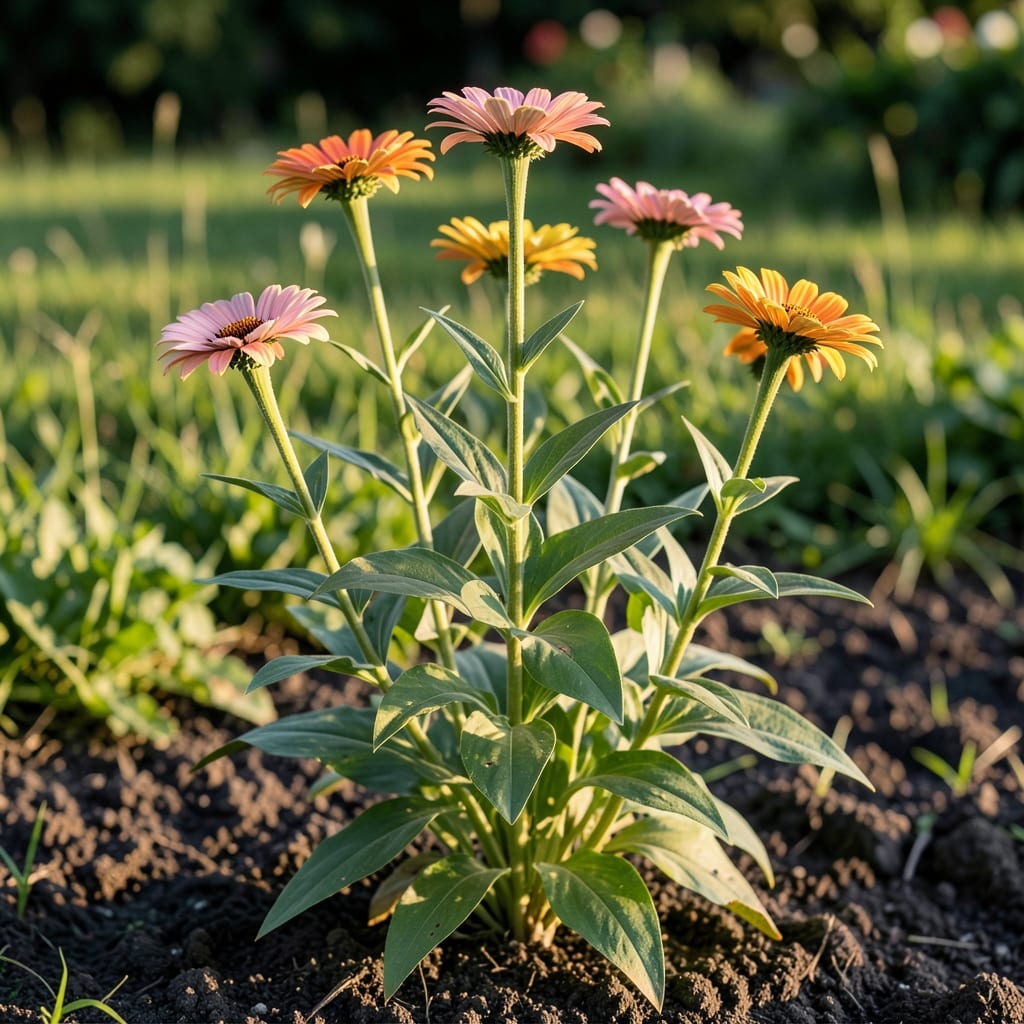
Zinnias are not cold hardy and typically cannot survive freezing temperatures. They thrive as annuals in warm climates and will die back at the first frost, requiring replanting each spring.
I’ve learned from experience that these vibrant bloomers originate from warm regions, which explains their sensitivity to cold. Their cell structures can’t withstand 32°F or below, causing immediate wilting. What’s fascinating is that even light frosts can damage their tender stems and leaves, making them a true summer-to-fall star. 🌟
For gardeners in cooler zones, this means treating them as temporary beauties rather than overwintering candidates.
💡 In This Article
Zinnias trace their roots to warm regions of Mexico and Central America, where temperatures rarely dip below 50°F. This tropical heritage programmed them for heat tolerance, not cold resilience. Their cell walls lack the protective mechanisms found in cold-hardy plants, making them vulnerable to even light frosts. 🌟
When temperatures hit 32°F, ice crystals form inside zinnia cells, rupturing their delicate structures. You’ll first notice blackened leaves and mushy stems—clear signs of frost damage. Unlike perennials that store energy in roots, zinnias invest all their resources in above-ground growth, leaving nothing to regenerate after cold snaps.
There’s a key distinction between annual and perennial zinnias. While most garden varieties are annuals, Zinnia elegans can sometimes self-seed in warmer zones. Yet even these don’t survive winter freezes. The USDA hardiness zones 7-11 offer the best chance for overwintering, but only if protected from frost. ✨
Gardeners in cooler climates can extend their zinnia season by monitoring weather forecasts. A light frost (29-32°F) may only damage foliage, while a hard freeze (25°F) will kill the plant completely. The damage becomes visible within 12-24 hours as leaves turn brown and wilt.
This sensitivity explains why zinnias thrive in summer heat, often blooming more vibrantly as temperatures climb. Their ideal growth range of 70-85°F during the day and 60-70°F at night creates the perfect conditions for those iconic, long-lasting blooms we love. 💫
Zinnias start showing damage at 32°F as frost forms on leaves. Any temperature below this will cause wilting and blackened foliage within 12-24 hours.
Only in zones 7-11 with protection might zinnias self-seed, but they’re typically grown as annuals everywhere. True overwintering isn’t possible due to their tropical origins.
Use frost blankets or row covers to create a warmer microclimate. Secure edges to trap heat, adding 2-3 inches of mulch for root insulation.
Potted zinnias can be moved to sheltered areas when temperatures drop below 40°F. This mobility gives them a slight advantage over in-ground plants.