
Beautiful Plants For Your Interior
Beautiful Plants For Your Interior
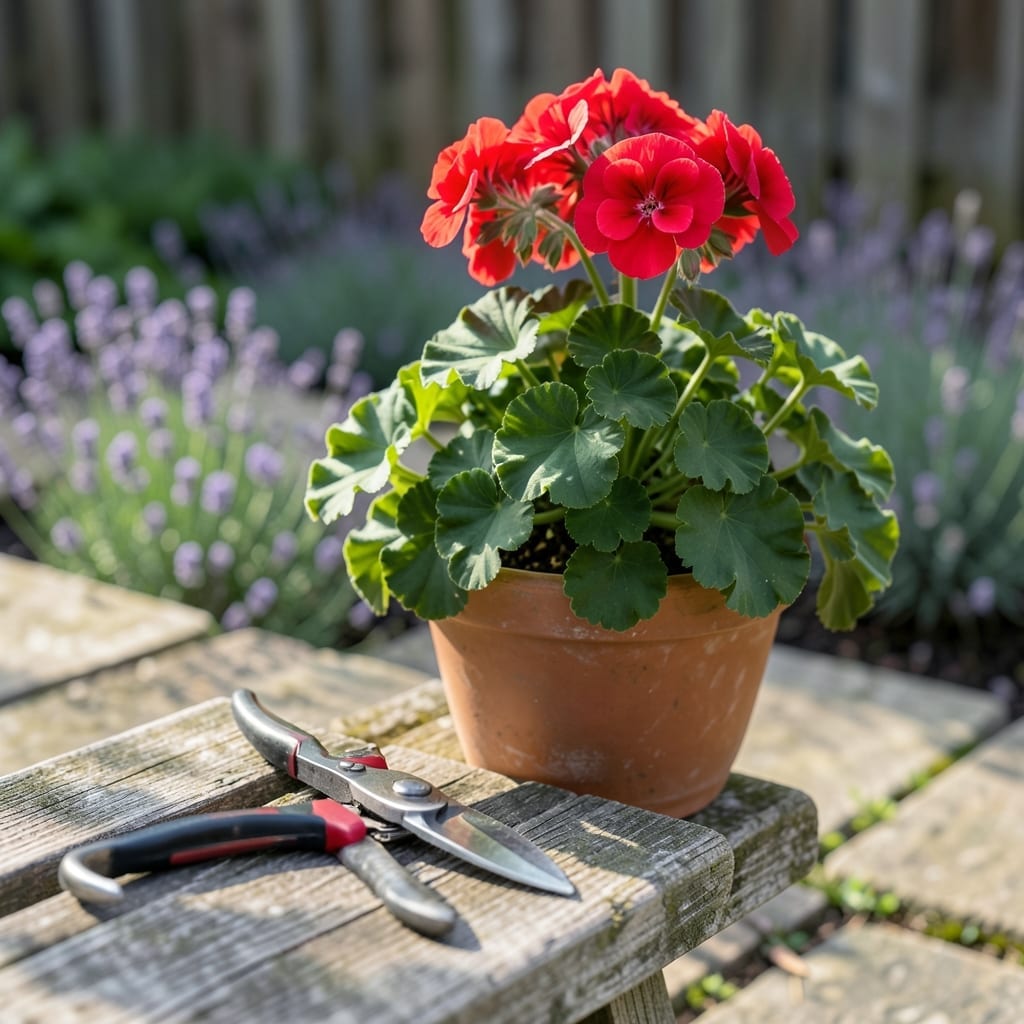
Yes, deadheading geraniums encourages continuous blooming and prevents seed formation. Regularly remove faded flowers to redirect energy toward new growth and vibrant blooms throughout the season.
This practice keeps your plants looking tidy while stimulating fresh flower production. I’ve noticed it works best when done consistently, as it prevents the plant from wasting resources on seed development. The key is removing the entire flower stem down to a leaf node or main stem. ✨
What many gardeners don’t realize is that deadheading also helps prevent disease by removing decaying bloom material. ✨
💡 In This Article
When geranium blooms fade, the plant begins diverting energy toward seed production. This biological shift triggers the development of hormone-like compounds called auxins, which inhibit new flower formation. By removing spent blooms, you interrupt this process and signal the plant to produce more flowers instead of seeds. 🌟
Studies show that deadheading can increase flower production by 30-50% in geraniums. The plant responds to the removal of faded blooms by activating lateral buds that would otherwise remain dormant. These buds then develop into new flower stems within 7-14 days under optimal growing conditions.
Geraniums are particularly responsive because they’re genetically programmed to prioritize reproduction. In nature, this means producing seeds when blooms fade. In your garden, deadheading mimics the natural process of pollinators removing spent flowers, tricking the plant into thinking it needs to produce more blooms to ensure reproduction. ✨
The timing matters too. Removing blooms before they fully wilt prevents the plant from initiating seed development. Once seeds begin forming, the plant commits significant resources to their maturation, which can delay or reduce subsequent flowering. Regular deadheading every 3-5 days during peak bloom maintains this cycle of continuous production.
This practice also improves the plant’s overall health. Decaying blooms can attract pests and provide entry points for diseases. By removing them promptly, you reduce these risks while keeping the plant’s energy focused on growth and flowering rather than defense and decay. 💫
Check your plants every 3-5 days during peak blooming. This frequent schedule prevents seed formation and keeps your geraniums producing fresh flowers continuously.
Sharp bypass pruners give clean cuts, but your fingernails work fine for small stems. Always sanitize tools between plants to prevent disease spread.
This usually means you’re cutting too far down. Always leave at least 2-3 sets of leaves below your cut to support new growth.
Morning is ideal when plants are most hydrated, but evening works if needed. Just avoid doing it during the hottest part of the day.