
Beautiful Plants For Your Interior
Beautiful Plants For Your Interior
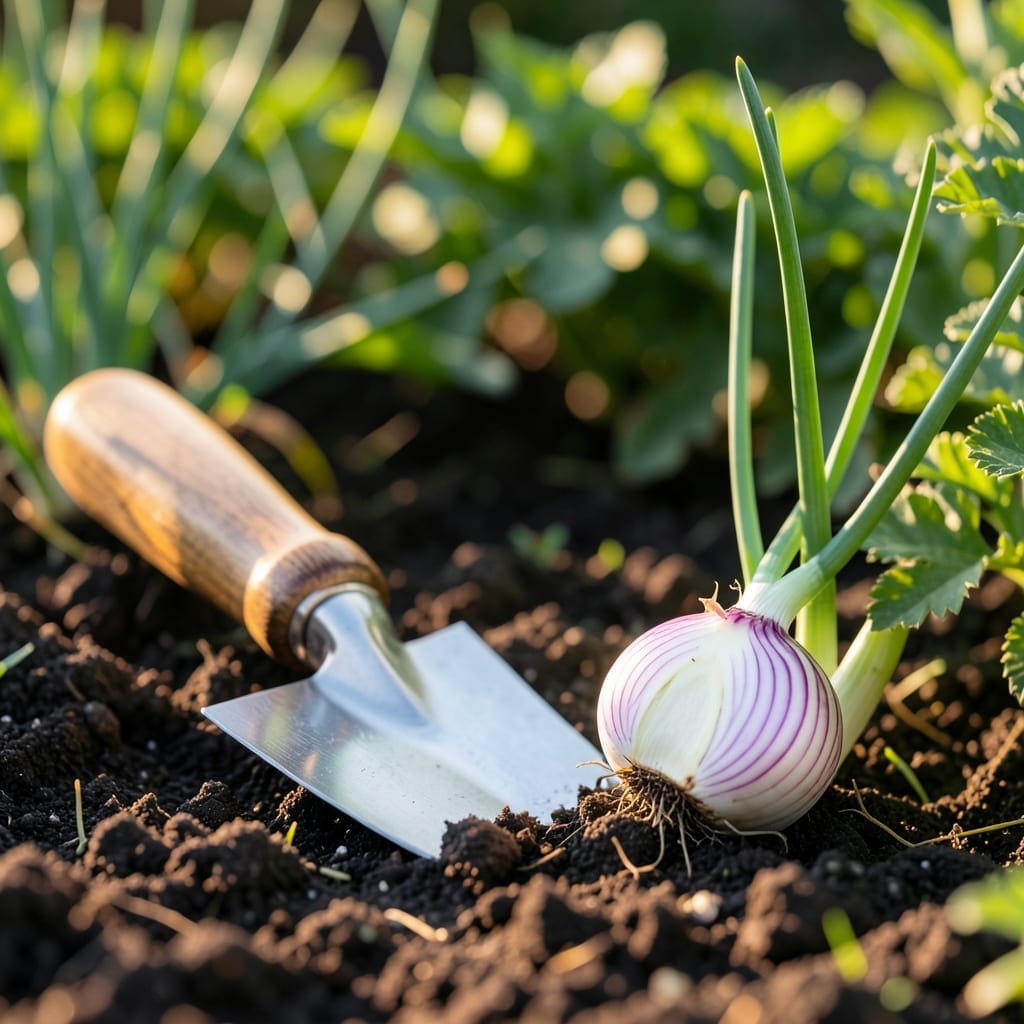
Wild onions are edible and share a mild onion-garlic flavor with cultivated varieties, but proper identification is crucial to avoid toxic look-alikes like death camas or crow poison.
I always stress the scent test—true wild onions smell distinctly like their grocery store cousins when crushed. 🔥 Many toxic doppelgangers lack this telltale aroma, which is your first defense in the field. Foraging safely means cross-checking multiple features: the hollow, round leaves and underground bulb structure that sets edible varieties apart.
💡 In This Article
The hollow, cylindrical leaves are your first clue—unlike toxic mimics, true wild onions have a distinct tubular structure. When crushed, they release a strong, unmistakable onion or garlic aroma that no dangerous look-alike can replicate. This scent test is the most reliable method, as visual characteristics alone can be misleading.
Examine the bulb structure next. Edible wild onions grow from a true bulb that resembles a small, elongated onion with papery skins. In contrast, death camas and crow poison have solid, egg-shaped bulbs with no onion scent. These toxic plants often share the same meadow habitats, growing in similar moist, well-drained soils.
Habitat matters too. Wild onions thrive in sunny fields, forest edges, and disturbed areas across North America. They typically emerge in early spring, with green shoots appearing before most other plants. The greens are pencil-thin, growing 6-18 inches tall, while the bulb develops underground as the season progresses. 🔥
Never harvest from areas that may have been treated with herbicides or pesticides. Roadside plants often absorb heavy metals from vehicle emissions. Instead, look for wild onions in clean, undisturbed areas like woodlands or certified organic pastures.
When in doubt, use a field guide or consult an expert. Some toxic plants, like wild lily of the valley, have similar leaf structures but lack the onion scent. Always perform the crush test on both leaves and bulbs before consuming any wild plant.
Crush a leaf or bulb between your fingers. True wild onions will smell strongly of onion or garlic. If there’s no scent, it’s not a wild onion—don’t eat it. This simple test is the most reliable way to avoid toxic look-alikes.
Both the greens and bulbs are edible. Use young greens like chives in salads or soups, and cook mature bulbs just like store-bought onions. Always wash thoroughly before use to remove dirt or insects.
Harvest greens in early spring when they’re young and tender. For bulbs, wait until late spring or early summer when they’ve fully developed. Avoid harvesting after plants flower, as the bulbs become tough and bitter.
Store greens in the fridge wrapped in a damp paper towel for up to 1 week. Bulbs keep in a cool, dry place for about 2 weeks. For longer storage, you can pickle the bulbs or freeze chopped greens.