
Beautiful Plants For Your Interior
Beautiful Plants For Your Interior
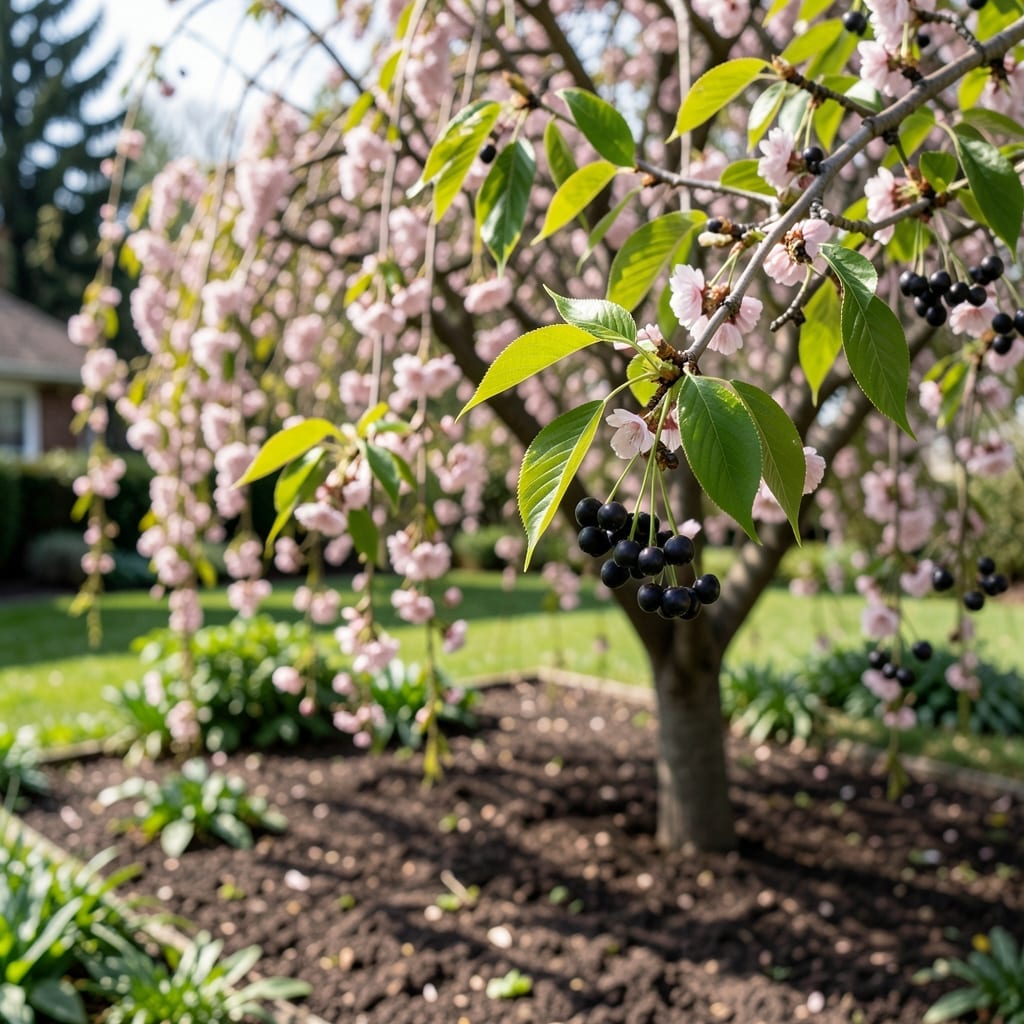
Weeping cherry trees produce small, bitter fruit that are technically edible but not palatable. The pits and leaves contain toxic compounds like amygdalin, which can release cyanide if consumed in large quantities.
I’d never recommend eating these fruits raw due to their astringent taste and the risk from cyanogenic compounds in stems and seeds. Even animals avoid them, which is a natural warning sign. 🌟
What’s more concerning is the amygdalin concentration—it can cause serious illness if ingested in significant amounts, especially for children or pets.
💡 In This Article
The danger comes from cyanogenic glycosides, particularly amygdalin, concentrated in the pits. When crushed or digested, these compounds break down into hydrogen cyanide. Just 50-60 pits could release a lethal dose for an average adult, though as few as 5-10 may cause severe symptoms. The leaves contain similar toxins, though in lower concentrations. ✨
Symptoms of cyanide poisoning appear within 15-60 minutes and include headache, dizziness, rapid breathing, and weakness. In severe cases, it can lead to seizures or respiratory failure. The flesh itself contains minimal toxins, but its extreme bitterness makes it unappetizing. The toxicity varies by tree species and growing conditions.
Children and pets are at highest risk due to their smaller body weight. A child could reach toxic levels from chewing just 2-3 pits. Even wild animals instinctively avoid these fruits. The bitter taste serves as nature’s warning system against consumption. 🔥
Safe consumption would require removing all pits and processing the flesh, but the effort isn’t worthwhile. The 0.5-1 inch fruits yield almost no edible portion after pitting. Commercial cherry varieties have been bred to eliminate these toxins while improving flavor.
Interestingly, some cultures traditionally used weeping cherry leaves in small amounts for teas, but this practice carries significant risk. The cyanide content can vary widely between trees, making it impossible to guarantee safety. Modern food safety standards strongly advise against any consumption of non-cultivated cherry parts. ⚡
The small fruits contain high levels of tannins and cyanogenic glycosides. These compounds create the astringent flavor and serve as a natural deterrent. The flesh is so unpalatable that most animals instinctively avoid it.
No, the pits and leaves are dangerous for dogs and cats. Even 2-3 pits could cause cyanide poisoning in small pets. Remove fallen fruit from your yard to prevent accidental ingestion.
Edible varieties are 1-1.5 inches wide with sweet or tart flesh. Weeping cherries have tiny, hard fruits that are extremely bitter. When in doubt, check the tree’s label or consult a nursery expert.
Call poison control immediately if 5+ pits are swallowed. Watch for dizziness, headache, or breathing difficulties. Do not induce vomiting unless instructed by medical professionals.