
Beautiful Plants For Your Interior
Beautiful Plants For Your Interior
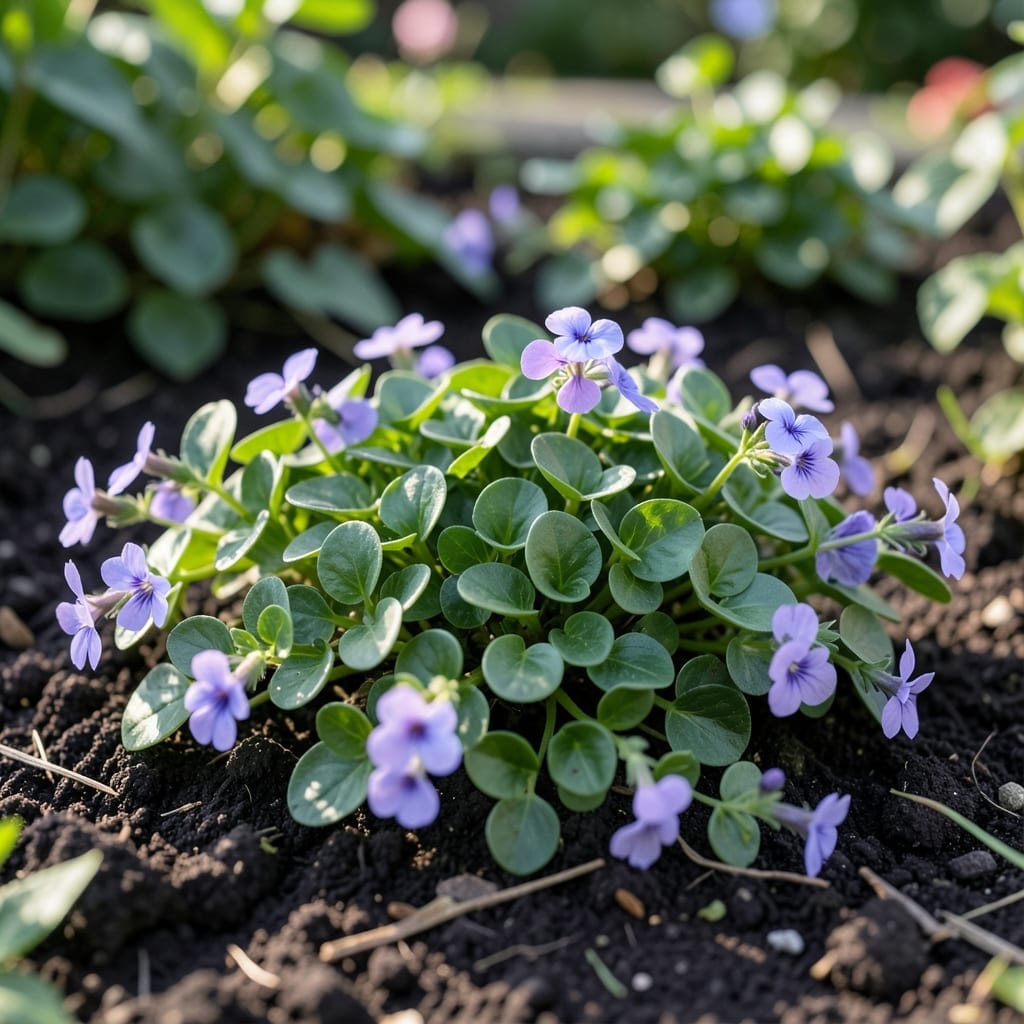
Yes, vinca and periwinkle refer to the same group of plants, primarily in the Catharanthus and Vinca genera, with overlapping common names but slight botanical distinctions.
I often see gardeners confused by these terms. The overlap comes from historical naming, where Catharanthus roseus (annual periwinkle) and Vinca minor (creeping vinca) share a common nickname. What’s fascinating is how their growing habits differ—one thrives as a ground cover while the other excels in beds. 🌟
This naming quirk reflects how plant classification evolves over time, blending scientific precision with regional traditions.
💡 In This Article
Here’s what’s actually happening: taxonomists originally grouped all periwinkles under Vinca, but later separated Catharanthus roseus (Madagascar periwinkle) into its own genus due to distinct genetic markers. This split occurred in the 1800s when botanists noticed differences in flower structure and growth patterns that set Catharanthus apart from true vincas. 🌟
The naming confusion stems from shared traits like glossy leaves and five-petaled flowers. Vinca major and Vinca minor are the original “vincas,” while Catharanthus earned the periwinkle nickname from gardeners who noticed similar aesthetics. Both genera belong to the Apocynaceae family, which explains their overlapping common names despite botanical differences.
Historical records show European settlers called Vinca minor “periwinkle” as early as the 1600s, long before Catharanthus was introduced from Madagascar. This explains why the name stuck across genera. The key distinction lies in their chromosomes: Vinca species have 46 chromosomes, while Catharanthus has 16. ✨
Garden centers often label Catharanthus as “annual vinca” to simplify marketing, while true vincas are perennials. This practical approach helps consumers understand their growth cycle without diving into Latin taxonomy. The USDA hardiness zones also differ: most Vinca species thrive in zones 4-9, while Catharanthus prefers zones 10-11. 💫
What most people don’t realize is that Vinca contains vincamine, a compound historically used in medicine, while Catharanthus roseus produces vincristine and vinblastine—critical chemotherapy drugs. This pharmaceutical distinction underscores why their separation into different genera matters beyond just naming conventions. ⚡
Garden centers often label Catharanthus as “annual vinca” for simplicity, since both share similar looks. True vincas are perennials, while periwinkles are annuals in most climates. This helps shoppers understand growth habits without confusion.
Vinca minor spreads aggressively as a ground cover, forming dense mats in shade. Catharanthus stays upright and compact, growing 1-2 feet tall. For erosion control, vinca is the better choice.
No. Vincas prefer shade and tolerate cold (zones 4-8), while periwinkles need full sun and warmth (zones 10-11). Planting them together often leads to poor growth for one or both.
Yes! Vincas produce small, lavender-blue blooms, while periwinkles offer vibrant pink, red, or white flowers. Periwinkles also bloom continuously in summer if deadheaded regularly.