
Beautiful Plants For Your Interior
Beautiful Plants For Your Interior
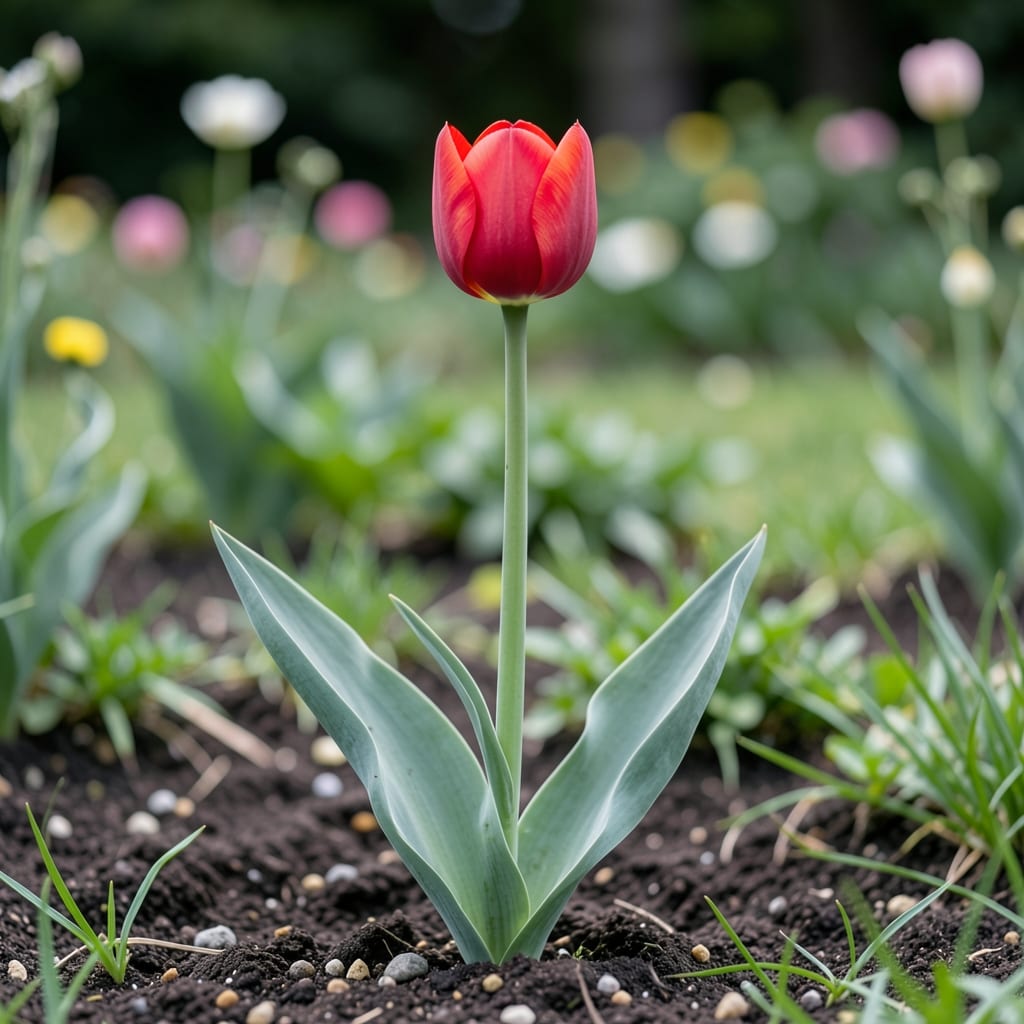
Tulip bulbs and sap contain tulipalin A and B, which can cause mild to moderate skin irritation, redness, or itching in sensitive individuals. The stems and leaves may also trigger reactions.
What often catches gardeners off guard is how these compounds react with skin oils, creating a allergic contact dermatitis. I always wear nitrile gloves when handling bulbs, as the concentration of irritants is highest there. Even brief contact can leave skin feeling rough or inflamed for hours afterward. 💫
💡 In This Article
The culprits are tulipalin A and tulipalin B, concentrated in the bulb but present throughout the plant. These are alpha-methylene gamma-butyrolactone compounds that act as natural pesticides, protecting the plant from fungi and insects. When they contact human skin, they trigger an immune response in sensitive individuals, causing what dermatologists call irritant contact dermatitis. 🔥
The reaction typically appears within 12-48 hours of exposure. You might first notice dryness or tightness at the contact site, followed by redness and itching. In more severe cases, small blisters can form—especially if you’ve handled multiple bulbs without protection.
The sap is particularly potent when the plant is cut or damaged, releasing higher concentrations of these irritants.
What makes this tricky is that sensitivity varies wildly. About 10-15% of people experience some reaction, but those with pre-existing conditions like eczema or psoriasis are at higher risk. The compounds disrupt the skin barrier by denaturing proteins, which is why even brief contact with broken skin can cause a stronger response.
This explains why some gardeners can handle tulips for years without issue, then suddenly develop sensitivity.
Interestingly, the bulbs contain the highest concentration—up to 5% of their weight in some varieties. The stems and leaves have lower levels, but their sap can still cause problems, particularly when arranging cut flowers. Even the pollen has been known to trigger reactions in highly sensitive individuals.
This is why commercial growers often report more cases during planting season when bulb contact is frequent.
The mechanism is purely chemical, not allergic in the traditional sense. Unlike poison ivy, which triggers an immune response to urushiol, tulip compounds directly damage skin cells. This means the irritation can occur on first exposure, without needing prior sensitization. The good news?
The reaction is usually self-limiting and resolves within 7-10 days once contact ceases. ✨
The bulb contains the highest concentration of irritants, but stems, leaves, and even pollen can trigger reactions.
Symptoms typically develop within 12-48 hours of contact. Redness, dryness, and itching are the most common first signs.
Yes, about 10-15% of people react, especially those with eczema or psoriasis. Sensitivity can develop suddenly, even after years of handling tulips without issues.
Wash the area immediately with cool water and mild soap. Apply hydrocortisone cream to reduce inflammation, and use a cool compress for relief.
No, repeated exposure often increases sensitivity rather than building tolerance. Always use gloves to prevent reactions.