
Beautiful Plants For Your Interior
Beautiful Plants For Your Interior
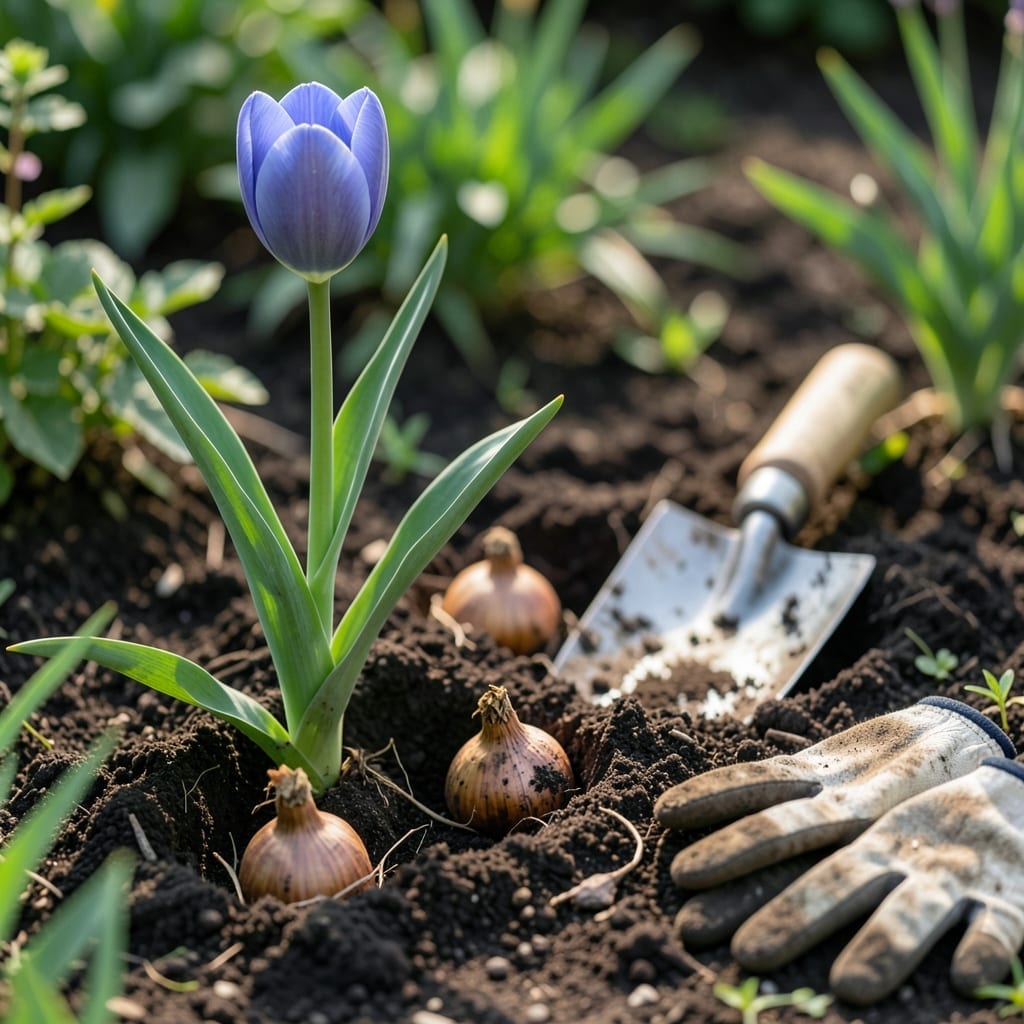
Timing is everything when planting Tulip bulbs in Illinois. Plant too early and they may sprout prematurely, too late and they’ll miss their spring bloom.
For Zone 5b gardeners, hitting the perfect window ensures vibrant, healthy 🌷 year after year. The key lies in understanding Illinois’ unique climate patterns.
I’ve learned that soil temperature is the most important factor. When it drops below 60°F, it signals the bulbs to establish strong roots before winter.
Let me show you exactly when to plant for the best results. The optimal period might surprise you, but it makes all the difference for those gorgeous spring blooms.
As a Zone 5 gardener in Illinois, timing your tulip bulb planting is critical for spring success. The ideal window falls between mid-October and early November, when soil temps drop below 60°F. This ensures bulbs develop strong roots before winter dormancy.
Planting during this period prevents premature sprouting in warm spells while allowing enough time for root establishment. Illinois’ first frost typically hits around October 15, making this the perfect cue to start.
| Requirement | Specification |
| Best Months | Mid-October to early November |
| Soil Temp | Below 60°F |
| Planting Depth | 6-8 inches deep |
| Sunlight Needs | Full sun (6+ hours) |
| Soil Type | Well-draining loam |
The 6-8 week rule is my go-to for Illinois planting. Count backward from your area’s average first hard frost to hit the sweet spot. In Northern Illinois, aim for earlier in October, while Southern Illinois gardeners can plant closer to November.
Soil preparation is just as important as timing. I always test my soil’s drainage capacity first—tulips hate wet feet. If your soil is heavy clay, amend it with compost or sand to improve drainage before planting.
For bulb spacing, I recommend 4-6 inches apart for standard tulips. This gives each bulb enough room to grow without competing for nutrients. Dwarf varieties can be planted slightly closer at 3-4 inches apart.
After planting, I water thoroughly to settle the soil and encourage root growth. But be careful not to overwater—soggy soil can cause bulbs to rot. A light 2-3 inch layer of mulch helps insulate the bulbs from temperature swings.
Remember that spring blooms depend on fall planting conditions. Even with perfect timing, poor soil or improper depth can ruin your display. I’ve found that adding bulb fertilizer at planting time gives my tulips an extra boost for vibrant blooms.
If you’re planting in containers, the rules are slightly different. Use a well-draining potting mix and ensure your containers have drainage holes. Container-grown tulips may need winter protection in a garage or cold frame.
Finally, mark your planting spots! It’s easy to forget where you’ve planted bulbs, and accidentally digging them up while planting other fall crops is a common mistake. I use biodegradable markers or a simple map of my garden beds.
🌷Planting tulip bulbs in Illinois requires careful preparation for spring success. I start by selecting healthy, firm bulbs from a reputable supplier. Larger bulbs typically produce better blooms, so I look for plump specimens without soft spots or mold.
First, I prepare my garden bed by removing weeds and loosening the soil to a depth of 12-15 inches. Tulips thrive in well-draining soil, so I amend heavy clay with compost or sand to improve drainage.
I always plant my tulips with the pointy end facing up. If you’re unsure which end is which, plant the bulb on its side—it will still find its way to the surface. For a natural look, I arrange bulbs in informal clusters rather than straight rows.
After planting, I water deeply to help the soil settle around the bulbs. This also encourages root development before winter. I avoid overwatering, as soggy soil can cause bulbs to rot. A light layer of organic mulch helps retain moisture and insulate the bulbs.
For container planting, I use a well-draining potting mix and ensure my pots have drainage holes. Container-grown tulips may need winter protection, so I move them to a garage or cold frame when temperatures drop below freezing.
Finally, I mark my planting spots with biodegradable markers or a garden map. This prevents accidental digging in the area during other fall planting. With proper care, my Illinois tulips reward me with vibrant spring blooms year after year. 🌷