
Beautiful Plants For Your Interior
Beautiful Plants For Your Interior
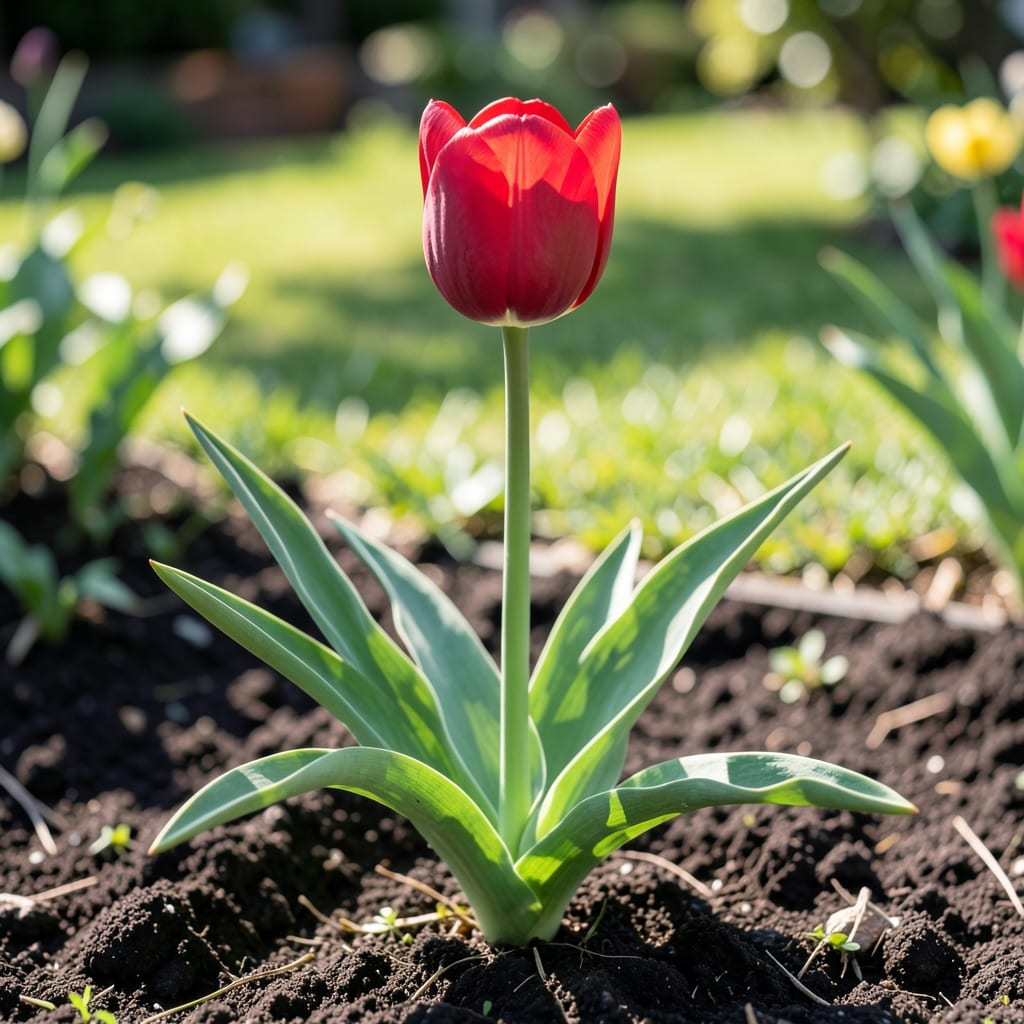
Tulips are generally hardy in USDA zones 3-8, surviving winter cold and regrowing yearly. However, proper planting depth and well-drained soil are key for their resilience.
I’ve seen these bulbs thrive through harsh winters because their underground storage organs contain natural sugars that act like antifreeze. 🌟 What’s fascinating is their ability to enter dormancy when temperatures drop, then burst back to life in spring with minimal care. For best results, I recommend planting them 6-8 inches deep in autumn to give roots time to establish before the first frost.
💡 In This Article
Tulip bulbs contain high concentrations of soluble sugars that act as natural antifreeze. These sugars lower the freezing point of water within the bulb’s cells, preventing ice crystal formation that would otherwise damage cellular structures. This biological adaptation allows bulbs to withstand soil temperatures as low as 14°F (-10°C) without harm. 🔥
The dormancy period is triggered by shortening daylight hours in autumn. As temperatures drop below 50°F (10°C), the bulb enters a resting phase where metabolic activity slows dramatically. This conservation of energy is crucial for survival during winter months when food sources are scarce underground.
Cold stratification—a period of 12-16 weeks at temperatures between 35-45°F (2-7°C)—is essential for spring blooming. This chilling period breaks the bulb’s dormancy and stimulates the biochemical processes needed for flower formation. Without this, tulips may produce foliage but fail to bloom. ✨
Temperature fluctuations in spring trigger the final growth phase. When soil warms to about 55°F (13°C), stored starches in the bulb convert to sugars that fuel rapid stem and leaf growth. The timing of this warming period determines whether you’ll see early, mid, or late season blooms.
What’s particularly clever is how tulip bulbs have a built-in temperature sensor. The bulb’s outer scales contain cells that expand and contract with temperature changes, sending signals to the growth center. This ensures the plant only emerges when conditions are truly favorable for survival. 💫
Tulip bulbs can survive soil temperatures as low as 14°F (-10°C) due to their natural sugar content that acts as antifreeze. This protects them from freezing damage during winter.
In USDA zones 3-8, tulips often regrow yearly if planted properly. However, some varieties may need replanting every 2-3 years as their vigor declines over time.
Plant bulbs 6-8 inches deep in well-drained soil for best results. In warmer zones, go deeper (8-10 inches) to keep them cool during summer.
This usually happens if bulbs didn’t get enough cold stratification (12-16 weeks below 45°F (7°C)) or if foliage was removed too soon after blooming.
Yes, but containers require extra care—ensure they get winter cold and don’t dry out. Lift and store bulbs in a cool, dark place during summer if your climate is too hot.